Facelift
Facelift Results Duration Korea: The Layer Sets the Years
A facelift that repositions the deeper SMAS layer commonly holds around ten years; a mini or skin-only lift holds fewer. Sun, nicotine and weight swings after you fly home shorten either one.
Send your concern and a front and side photo. Replies in English, no obligation.
In this article
- 01Facelift results duration Korea: what the lifted layer changes
- 02When do you see the final result?
- 03How many days in Seoul before you fly home?
- 04What shortens a facelift result once you're home?
- 05Bleeding, nerve weakness and slow skin healing: the risks, and who should wait
- 06What decides the cost of a facelift in Korea?
- 07What to ask any clinic about how long the lift will hold
The short answer
If you fly to Seoul for a facelift, will the lift still be holding in five years, or will you be planning the trip a second time? What you can't do from abroad is drop in for a check, so the plan for the years after your flight matters as much as the operation.
- A lift that moves the deeper SMAS layer commonly holds around ten years; a mini or skin-only lift holds fewer.
- Aging continues from the new position, so the result eases gradually and has no expiry date.
- Judge the result against your month-six photo, because week three is still swollen.
- Count your nights in Seoul from the last stitch-removal visit, then buy the return ticket.
- Sun, nicotine and large weight swings at home are the main things that shorten a result.
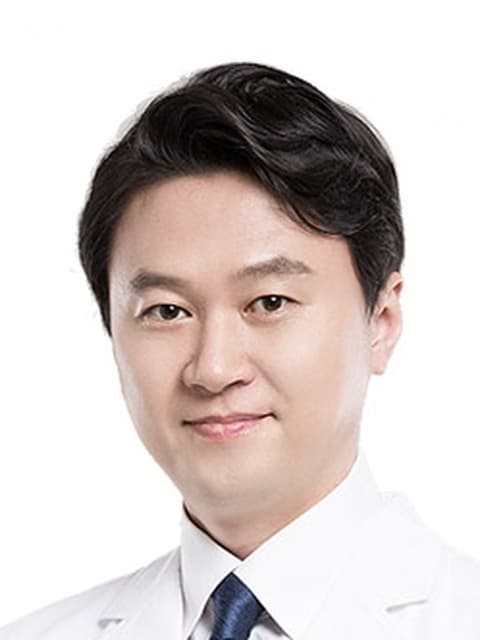
Hello, I'm Dr. Im Young Min, Chief Director, board-certified plastic surgeon at VG Plastic Surgery in Gangnam.
Profile
Im Young Min
Chief Director · Board-certified in Plastic Surgery
Three things here bear on how long a lift holds and how the trip goes. Before choosing the direction of the pull, we look at which layer of your face has actually descended, because that points to the lift that fits: Crystal, SMAS or mini. Three anesthesiologists are on staff and do not operate, so one doctor watches your blood pressure, pulse and breathing while the surgeon works. A medical interpreter for your language joins you at no extra charge.
If you can't tell which layer has dropped on your own face, send one front photo and one side photo on WhatsApp, hair tied back, and ask which lift a face like yours needs and how long that kind usually holds.
Send your photos and travel dates on WhatsApp
Facelift results duration Korea: what the lifted layer changes
The layer that carries the lift sets how long it holds. Skin stretches again under tension within a few years. The SMAS, the firm fibrous layer beneath the skin and fat, keeps a new position much longer.
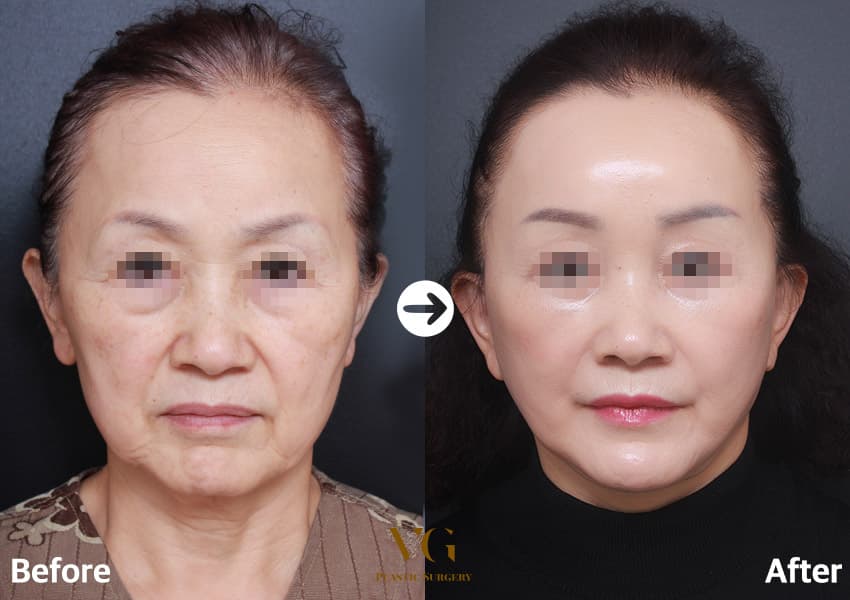
Think of making a bed. Pulling the duvet smooth looks tidy until someone sits on it. Re-tucking the fitted sheet under the mattress is what stays. A skin-only lift is the duvet, and a SMAS lift re-tucks the sheet. That is why a full SMAS lift is commonly quoted at around ten years, and a mini lift, which uses a shorter incision and lifts a smaller area, at fewer.
Ten years doesn't mean the face holds still and then falls on the tenth anniversary. Aging continues at its usual pace from the new position. At year ten you look older than you did at year one, and younger than you would have without surgery.
The match between the lift and the face matters as much as the lift's name. Say you're 49 with early jowls, a firm neck, and skin that springs back when you pinch it. A mini lift matches that face and can hold well. Now say you're 63 with loose neck skin and deep folds beside the mouth. The same mini lift would look tight at month three and loose within a couple of years, because a small lift was asked to carry a heavy load. My notes on who a mini facelift suits and where its incision goes cover that boundary.
You'll also meet the term deep plane in your reading. It describes a variant in which the surgeon works beneath the SMAS and releases the ligaments that tether the cheek. Our facelift menu lists Crystal, SMAS and mini lifts. Whichever name a clinic uses, ask which layer is moved and how far.
When do you see the final result?
Later than most people expect. Most bruising and visible swelling settle over the first two to three weeks, the face keeps refining for several months, and the scars go on fading for up to a year.
One stage causes more worry at home than any other. As that fluid leaves over months two and three, people often think the lift is slipping. Usually it is swelling leaving.
So take three photos the day before surgery: front and both sides, by the same window. Repeat them at month six. Month six is your baseline. When you wonder in year four whether the lift has dropped, compare against that photo and the day-before one, never against week three.
Numbness around the ears and a tight feeling when you turn your head are common in the early weeks. Both fade gradually over months.
How many days in Seoul before you fly home?
Count from your last stitch, because that is the visit you can't do from home. Your own number depends on which lift you have, so ask for the stitch-removal day before you buy the return ticket.
The days themselves follow a pattern. The first two bring a pressure dressing, a tight feeling, and sleeping with your head raised; if a drain was placed, it usually comes out in this window. Days three to five are peak swelling and bruising, so plan to stay near your room. From about day five most people can walk outside in a hat and scarf. In the second week the bruises turn yellow and a mask covers most of what remains.
Book a return ticket you can change. If a small collection of blood needs draining on day four, two extra nights in Seoul are easier to arrange than care in the air. On the flight, walk the aisle every hour or two and drink water, since long sitting after any operation raises the risk of a clot in the leg.
What shortens a facelift result once you're home?
Four things you control: sun, nicotine, weight swings, and how you treat the scars in the first months. Two you don't: your skin's own elasticity, and the pace at which facial bone and fat thin with age.
Sun comes first. Ultraviolet light breaks down the collagen and elastin that let skin hold its shape, and it darkens fresh scars. Daily sunscreen and a hat do more for year eight than any cream sold for firmness.
Nicotine in any form, including vapes and patches, narrows the small vessels that feed the lifted skin. Around surgery it raises the risk of poor healing along the incision. Over years, smokers' skin loses its spring faster.
Reach a weight you can hold before surgery. A large loss afterwards empties the face and loosens skin that was just redraped, and repeated gain and loss stretches it.
A lift repositions tissue; it doesn't replace volume that age has taken. That is why fat grafting sometimes enters the conversation, with its own variable: part of the grafted fat is absorbed. Some people choose a smaller second lift ten or more years on. That is aging continuing after a first operation that did its job.
Bleeding, nerve weakness and slow skin healing: the risks, and who should wait
Swelling, bruising, numbness and tightness are the expected reactions, and they last from weeks to a few months.
The less common problems are more serious. Bleeding under the skin (hematoma), facial nerve injury, infection, poor wound healing and hair loss at the incisions all appear on the American Society of Plastic Surgeons' list of facelift risks. A hematoma usually shows in the first day or two as fast, firm, painful swelling on one side. Nerve weakness, when it happens, most often recovers over weeks to months, and rarely it lasts. Skin loss near the incision is seen mostly in people who use nicotine.
Some people should wait. That includes anyone who has used nicotine in recent weeks, anyone whose blood pressure is not controlled, anyone on blood thinners that their prescriber won't pause, anyone planning a large weight loss, and anyone with poorly controlled diabetes. How fast you heal and how long a lift holds differ from one person to the next, which is why these are reasons to delay.
Once you're home, treat these as same-day problems for a local emergency department: one side swelling quickly, fever, spreading redness, skin turning dark near an incision, new weakness in the face, calf pain or breathlessness. Before you leave Seoul, have a doctor at home who knows you've had surgery, and carry your operative record and medication list. Ask before booking who you contact from home, and by what channel.
If your dates are already fixed, tell us on WhatsApp when you land and when you fly out, and whether you use nicotine in any form. Ask how many nights that leaves after the last stitch.
Send your photos and travel dates on WhatsApp
What decides the cost of a facelift in Korea?
Mostly the lift itself: which type, how much of the face and neck it covers, and how long you're under anesthesia. A lift built to hold longer is a bigger operation, so cost and duration rise together until the lift matches your face. Beyond that match, a larger operation adds recovery without adding years.
Four more things move the figure. A revision takes longer than a first lift because of scar tissue. Adding upper eyelid surgery, a brow lift or fat grafting in the same session adds operating time. The type of anesthesia matters, and so do the nights and follow-up visits your plan needs in Seoul. I go through the first of these in what sets the cost of a SMAS facelift in Korea.
Foreign patients pay the same surgery fee as Korean patients here, and the estimate comes in writing. Deposit and payment method are settled after the consultation, so raise both on WhatsApp when you ask what your own case would cost, with your photos attached. The photo quote and consultation booking on our English home page is the other route.
What to ask any clinic about how long the lift will hold
In short, these questions work at any clinic, mine included. The answers tell you more than the name of the lift does.
- Which layer does this lift move, and where do the incisions run?
- Who gives the anesthesia, and does that doctor stay for the whole operation?
- What day do the last stitches come out, and what happens if my flight is earlier?
- Who do I contact once I'm home, and how?
- Is an interpreter present at the consultation and on surgery day, and is there a charge?
- Do foreign patients pay the same fee as local ones, and is the estimate in writing?
It doesn't have to be us. Wherever you go, get these answered before you pay anything. A longer list is in seven checks to make on a facelift surgeon in Seoul.
When someone asks me about facelift results duration Korea is half the question. The other half is the ten years you'll spend at home with the result: the sun you get, the weight you hold, whether you smoke. I see surgery as a form of self-care, and a lift you look after is the one that lasts. If a facelift doesn't suit your face yet, I say so.
None of this has to be settled this month. Two things on your own face answer the durability question: how far the deeper layer has dropped, and how much spring the skin has left. One photo is enough to start, and you can ask before booking anything. Send it on WhatsApp with your possible travel dates and the one thing you most need answered.
— Dr. Im Young Min, Chief Director
Related pages:
Facelift before & after — more cases
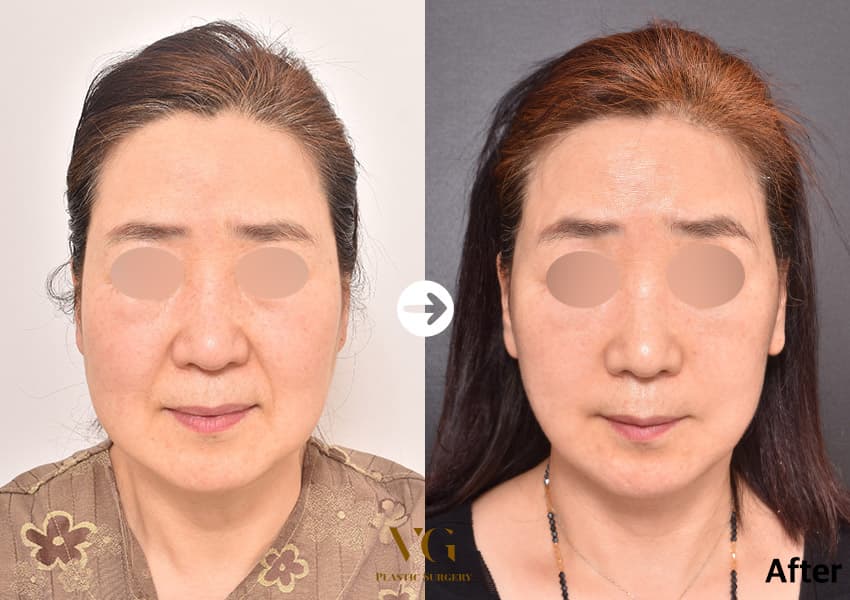
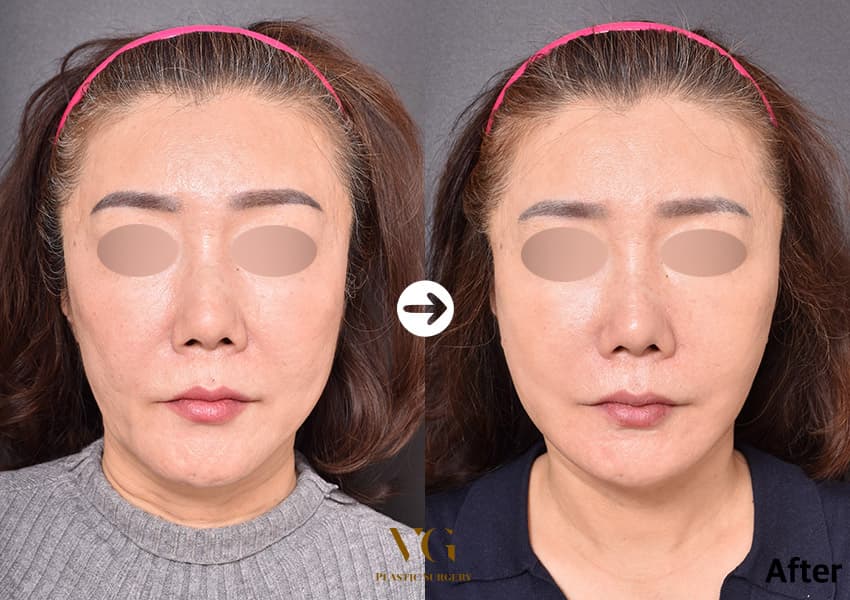
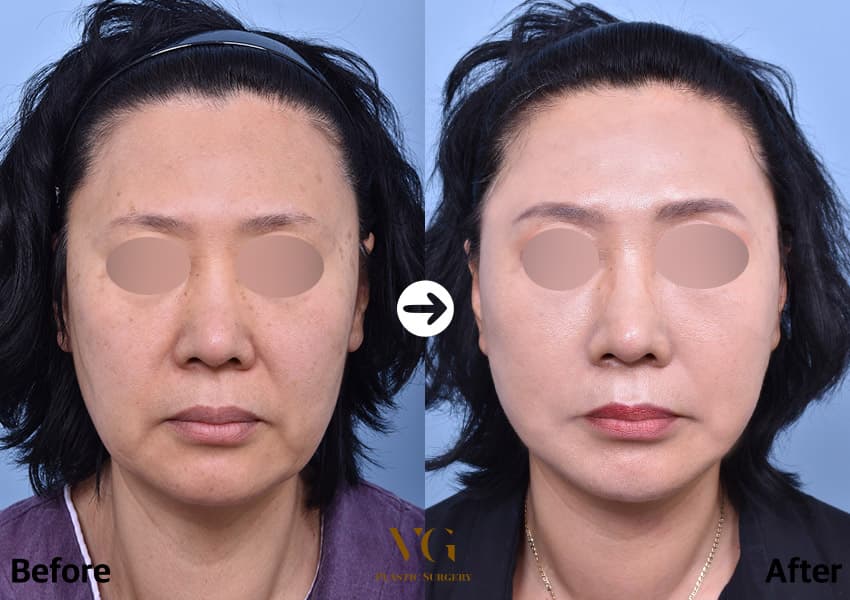
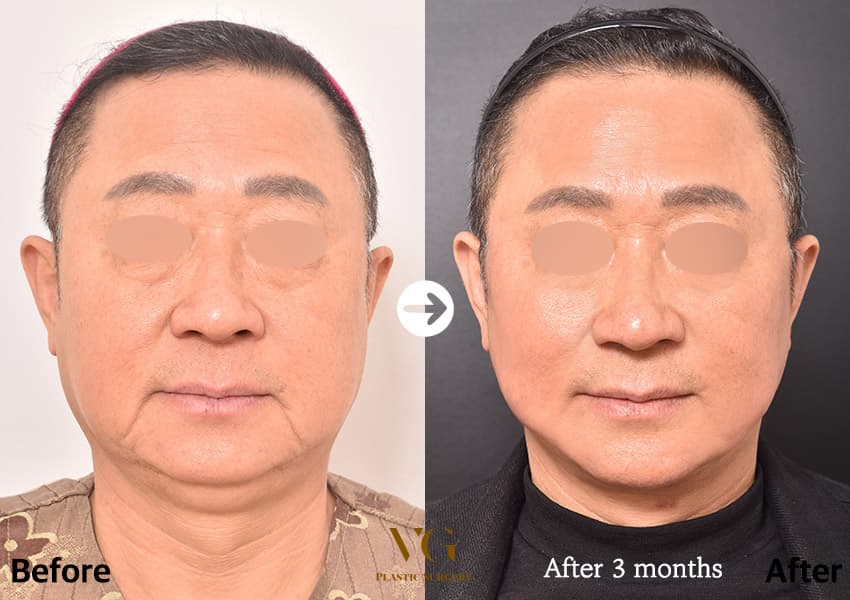
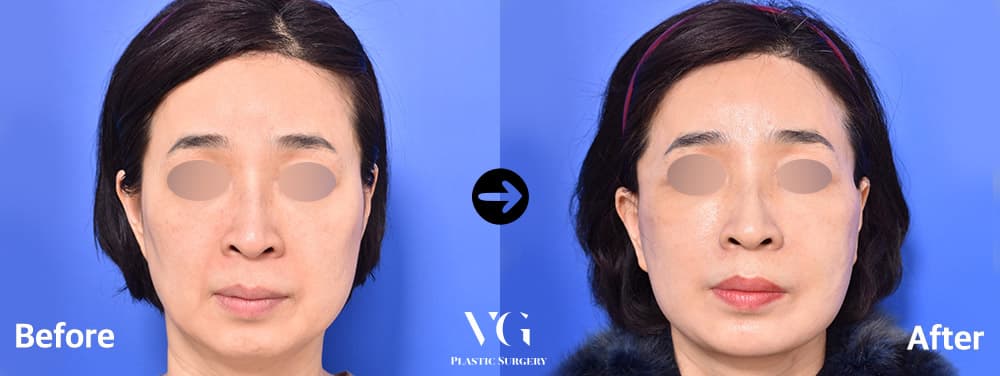
Real patients from our archive, all photographed 3 months after surgery. Tap a case to compare it full size.
Face Lift3 months after surgery
Face Lift3 months after surgery
Face Lift3 months after surgery
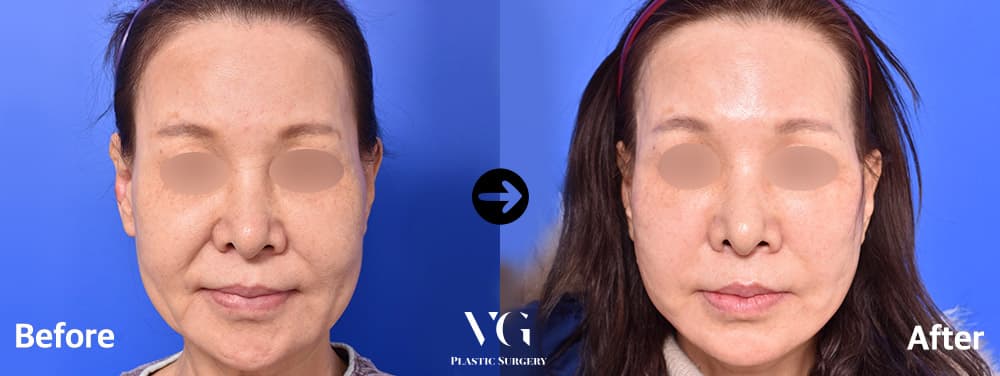
Face Lift3 months after surgery
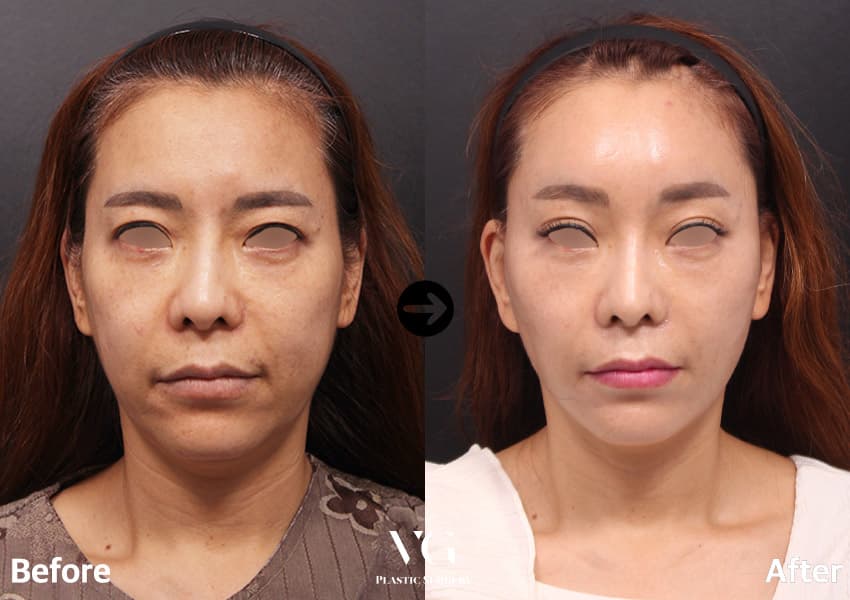
Face Lift3 months after surgery
FAQ
Questions patients ask
Can I have a second facelift when the first one loosens?
Generally yes. A second lift works through scar tissue from the first, so it tends to take longer in the operating room, and the surgeon needs to know what was done before. Keep your operative record from the first surgery; it is the most useful document you can bring ten years later.
Does being younger at surgery make the result last longer?
Skin with more elasticity tends to hold a lift longer, so a result at 48 often outlasts one at 68. But operating before there is real laxity gives the surgeon little to lift. Age on its own is a poor guide; how far the tissue has dropped is the better one.
Will the scars still show years later?
Facelift incisions usually run along the crease in front of the ear and into the hairline. For most people they fade to a pale line over six to twelve months. Sun in the first months can darken them, and people who have formed raised scars before should say so at the consultation.
How soon can I exercise, and does exercise loosen the lift?
Walking is fine from the first days. Strenuous exercise, heavy lifting and bending forward usually wait about three to four weeks, because a spike in blood pressure can cause bleeding under the skin. After that, regular exercise does not loosen a lift.
What if I can stay in Seoul for one week only?
Raise it before booking. Some stitches may still be in place on day seven, so the question becomes who removes them at home. Settle that with a local doctor before you fly, or lengthen the trip.
Can I add eyelid surgery to the facelift in one trip?
It is often done in one session. It adds operating time and swelling around the eyes, and eyelid stitches follow their own removal schedule. Whether combining is sensible for you turns on your health and the total time under anesthesia.
Sources
This article explains general medical information. Whether surgery suits you, and which method, is decided only after a consultation with the surgeon.
Written by
Im Young Min
Chief Director · Plastic Surgery
- Ph.D. in Medicine
- Internship and residency, Seoul St. Mary's Hospital
- Board-certified plastic surgeon, Seoul St. Mary's Hospital
- Adjunct professor of plastic surgery, Seoul St. Mary's Hospital
- Former director, Topface Plastic Surgery
Next step
Send two photos. Get a surgeon’s answer.
Front and side, natural light, no filter. Dr. Im Young Min reviews them and tells you which method fits and how many days to stay in Seoul.
International patients pay the same surgical fee as Korean patients. Pricing policy
Keep reading
Facelift
Endoscopic Facelift Korea: What It Won't Lift, Who Should Skip It and What Sets the Cost
An endoscopic lift raises the brow, forehead and upper cheek through short incisions in the hair. It does little for jowls or a loose neck, so the first question is where your face has dropped.
Im Young Min ·
Facelift
Ponytail Facelift Korea: Will It Lift Your Jowls? Who It Suits, Scars and What Sets the Cost
A ponytail facelift is mostly a name for a lift of the brow, outer eye corner and cheek through incisions hidden in the hairline. It suits early upper-face sagging and does little for jowls or neck skin.
Im Young Min ·
Facelift
Facelift Cost South Korea 2025: What Moves Your Quote? Lift Type, Add-Ons and Days in Seoul
A facelift quote in Korea is set by which layer of your face has dropped, how far the lift reaches (cheek only, or jawline and neck), what joins the same operation, the anesthesia, and your days in Seoul.
Im Young Min ·