Facial Contouring
Why Is My Jaw So Square? Bone, Muscle or Age Decide the Fix
A square jaw usually comes from the jaw angle, a thick masseter muscle, fat, or tissue sagging with age. Only bone is changed by contouring, so know the cause before you plan a Seoul trip.
Send your concern and a front and side photo. Replies in English, no obligation.
In this article
- 01What makes a jaw look square?
- 02Why is my jaw so square now, when it wasn't at 25?
- 03How can I tell bone from muscle at home?
- 04What a CT shows that a photo can't
- 05Numbness, bleeding, uneven corners: the risks of reducing the jaw
- 06How should I plan the trip if it turns out to be bone?
- 07Where I stand on a square jaw
The short answer
You notice it in photos first, and then the question follows you to the mirror: why is my jaw so square, when the rest of my face hasn't changed? For most people the width comes from one of four things, the angle of the jaw bone, a thick chewing muscle, fat, or tissue that has started to slide down with age, and only the first is changed by jaw bone surgery. It's worth knowing which one before you book a flight to Seoul, because each cause leads to a different trip, and one of them leads to no surgery at all.
- A square jaw usually comes from bone, the masseter muscle, fat or age-related sagging, and often a mix.
- Only a flared jaw angle is changed by contouring surgery; muscle and sagging need different answers.
- A clench test, old photos and a dental X-ray narrow the cause before any trip.
- The bone plan is set on CT, so plan your first day in Seoul around the consultation and scan.
Hello, I'm Dr. Im Young Min, Chief Director of VERYGOOD Plastic Surgery in Gangnam and a board-certified plastic surgeon trained at Seoul St. Mary's Hospital. I operate on facial bone and I also do facelifts, so I have nothing riding on which of the four you turn out to have.
Profile
Im Young Min
Chief Director · Board-certified in Plastic Surgery
Here, nerves and bone thickness are mapped on CT before any contouring plan, three board-certified anesthesiologists work full time and none of them operates, and a medical interpreter for your language is provided at no extra charge.
A first step can be small. Send two front photos on WhatsApp, one with your face relaxed and one with your back teeth clenched, and ask whether the width looks more like bone or muscle.
Send your relaxed and clenched jaw photos on WhatsApp
What makes a jaw look square?
There are four usual causes, and in many faces two of them overlap.
| Cause | What you usually notice | What can change it |
|---|---|---|
| Jaw angle (bone) | Square since your early twenties; the corner feels hard and doesn't move when you clench | Jaw contouring surgery |
| Masseter (muscle) | A bulge that firms up under your fingers when you clench; morning jaw ache or worn teeth | Treating the muscle, not the bone |
| Fat | The width comes and goes with your weight | Weight change, sometimes liposuction |
| Sagging tissue | Squarer since your forties; heaviness along the jawline in front of the corner | Lifting the layer that dropped |
The bone. Below each ear the lower jaw turns a corner, the mandibular angle. When that corner flares outward or sits low and sharp, the face reads square from the front, and it usually looked that way by your early twenties. This is what contouring surgery works on, either at the angle alone or along a longer curve of the lower border, and the difference between jaw angle and long-curve reduction deserves its own read.
The muscle. The masseter, the muscle you feel bulge when you bite down, sits right over that corner. Clenching under stress, grinding at night, and years of chewing gum or tough food can thicken it, sometimes more on one side. A thick masseter makes an ordinary jaw look square, and taking bone away does nothing to it. If muscle is the main cause, it is treated without surgery, and that is not something we offer here.
Fat and the chin. Fat in the lower cheeks and along the jawline widens the lower face and follows your weight up and down. And sometimes the square look sits at the front: a broad, flat chin. If that sounds like you, what decides surgery for a long or square chin is the closer match.
Why is my jaw so square now, when it wasn't at 25?
If the square look arrived in your forties or fifties, the bone is rarely the reason. The jaw bone tends to lose a little volume with age. What changes is the soft tissue: the fat pads of the cheeks and the tissue that holds them descend, and they collect along the jawline just in front of the corner. The lower face gets heavier and boxier, and an oval outline starts to read as square.
Here's a mirror test. Place your fingertips on your cheeks near the ears and lift the skin gently up and back. If most of the squareness disappears, tissue is doing most of the work. If the corner stays as wide as before, look at the bone and the muscle.
Say you're 52, living in Seattle, and in your wedding photos from your late twenties the jaw looked fine. The change crept in over five years, and your lower face looks wider on video calls. That pattern points mostly to tissue. Taking bone off would shrink the frame under skin that is already loosening, and a smaller frame gives that skin less to rest on. In that situation I'd talk about a lift instead of contouring, and a facelift trip is planned around different checks than bone surgery.
How can I tell bone from muscle at home?
You can narrow it down in ten minutes, before anyone takes a scan.
- The clench test. Put two fingertips on the corner of your jaw, about a thumb's width in front of the earlobe, and bite down hard. If something swells and turns firm under your fingers, the masseter is part of the width. If the corner stays the same hard edge, bone is more likely.
- Old photos. Find a front photo from your early twenties. Square back then means bone or muscle; square only lately points to tissue or weight.
- Grinding. Ask whoever shares your room, or your dentist. Flattened teeth, a sore jaw on waking or a night guard you never wear are signs the muscle is working overtime.
- Past injections. If you've had jaw-slimming injections, note the date of the last one. A muscle that is still relaxed hides how much of the width is muscle.
- A dental X-ray. The panoramic X-ray most dentists take shows the outline of the whole lower jaw, angle included. Ask your dentist for a copy.
How the photos are taken matters too. A selfie at arm's length makes the lower face look wider than it is. Have someone else stand about two meters away and zoom in a little, phone at the level of your eyes, hair tied back, no smile. Take the front and both sides, relaxed and clenched.
What a CT shows that a photo can't
Photos and the tests above point in a direction. They can't show how thick the bone is at the angle, or where the nerve runs inside it. The inferior alveolar nerve travels through the lower jaw and gives feeling to the lower lip and chin, and how close it sits to the planned cut limits how much bone can safely come off. That is why nerves and bone thickness are mapped on CT here before a contouring plan is set, and it is also why a chat quote for jaw shaving can change after CT.
Bone doesn't grow back, so we leave everything that doesn't need to go. A jaw that looks very square in photos can turn out on CT to be a moderate angle under a thick muscle, and then the plan takes less bone, or none.
Our consultation page describes the photo step: the surgeon who would operate reviews the photos you send and replies by messenger or email with a plan and an estimate, and a plain no is one of the possible answers. The CT still has the last word on bone, so plan your first day in Seoul around the consultation and scan, and keep the following days loose until you've heard the plan.
If you have that dental X-ray or a photo from your twenties, add it to the relaxed and clenched photos on WhatsApp, and ask which of the four causes yours fits.
Send your relaxed and clenched jaw photos on WhatsApp
Numbness, bleeding, uneven corners: the risks of reducing the jaw
What most people feel after jaw angle reduction is swelling, bruising, a jaw that opens less than usual, and numbness in the lower lip or chin. These usually ease over weeks, with the last of the swelling and feeling taking months. The cuts are usually made inside the mouth, so keeping it clean and eating soft food matter early on.
Less common and more serious: numbness that lasts because the nerve was stretched or injured, bleeding that collects under the tissue and has to be drained in an operating room, corners that heal unevenly, too much bone taken so a second angle or a step forms, and in older skin, a lower face that sags once its frame is smaller. How each of these plays out differs from person to person, and whether surgery suits you at all is settled at the exam in Seoul.
As general guidance, wait or skip it if your width is mostly muscle or tissue, if you are still growing, if you are pregnant or breastfeeding, or if you take blood thinners that can't safely be paused. Heavy smoking slows healing inside the mouth, and uncontrolled blood pressure or a bleeding disorder raises the bleeding risk.
During the operation, one of our three anesthesiologists watches your blood pressure, pulse and breathing from the first injection until you are awake again, so the surgeon does nothing but operate.
If something changes after you fly home, such as swelling that grows on one side, fever, pus or a bad taste from the incision inside your mouth, or bleeding that won't stop, see an emergency department or your local doctor that day. Bring your operation notes and CT, and before surgery, ask whom to write to from home.
How should I plan the trip if it turns out to be bone?
Think of the stay in three parts: the consultation and CT, the surgery and the first checks of healing, and a buffer before the flight. I won't put a number of nights here, because it hangs on which operation the CT leads to; send your dates and ask how many nights to plan for that operation.
A long flight after any operation adds to the risk of clots in the legs, so walk the aisle, drink water and keep your head raised when you sleep on board. Before leaving home, book an appointment with a doctor there for the week you return, so someone local sees your face early.
Wherever you go, these questions tell you more than a list of clinics:
- Is a CT taken before the bone plan is set?
- Is the surgeon who examines you the one who operates?
- Is an anesthesiologist with you for the whole operation, separate from the surgeon?
- Whom do you contact if something comes up after you fly home?
- Is the estimate in writing, and is the fee the same for foreigners?
- Is a medical interpreter at the consultation, and at what cost?
It doesn't have to be us. Ask these anywhere and the answers will sort the options for you, and there are five more things a clinic list can't show worth adding. Here, foreigners pay the same surgery fee as Korean patients, the estimate is given in writing, and the deposit and payment method are settled after the consultation.
Where I stand on a square jaw
In Korea, plastic surgery is one of the ways people look after themselves, and I'm comfortable with that. Looking after yourself also means not having an operation you don't need. If your jaw is square because of bone and it bothers you, contouring can change it; if it's muscle or tissue, I'll tell you so plainly. A jaw that has been this shape for years can wait until you know the cause.
Send the relaxed and clenched front photos on WhatsApp with the age you first noticed the change, and ask whether it looks like bone, muscle or sagging tissue. In Seoul, the CT and the exam show how far the angle flares and how much of the bulge is muscle, and I'll recommend what fits that cause, which may be less than you expected. The clinic is at 635 Nonhyeon-ro, Gangnam-gu, Seoul.
— Dr. Im Young Min, Chief Director, board-certified plastic surgeon
Related pages:
Facial Contouring before & after — more cases
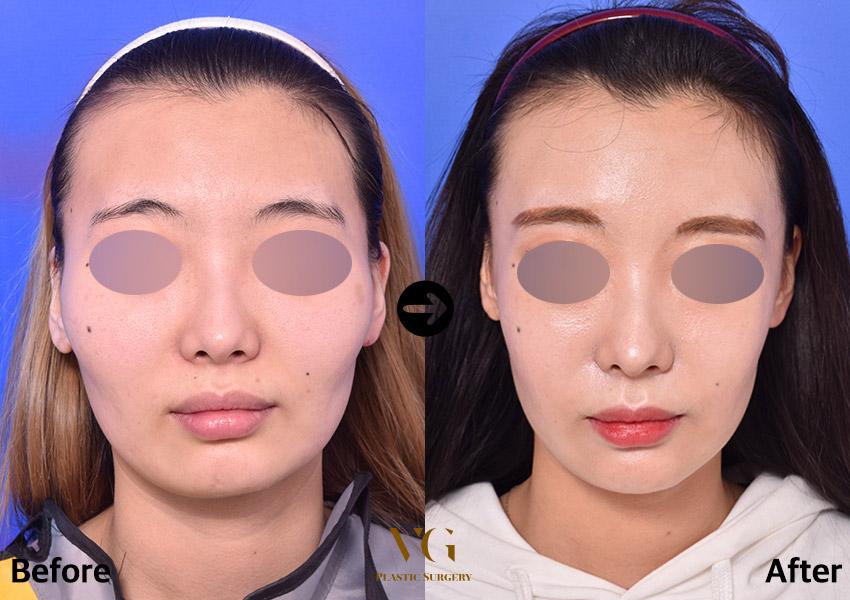
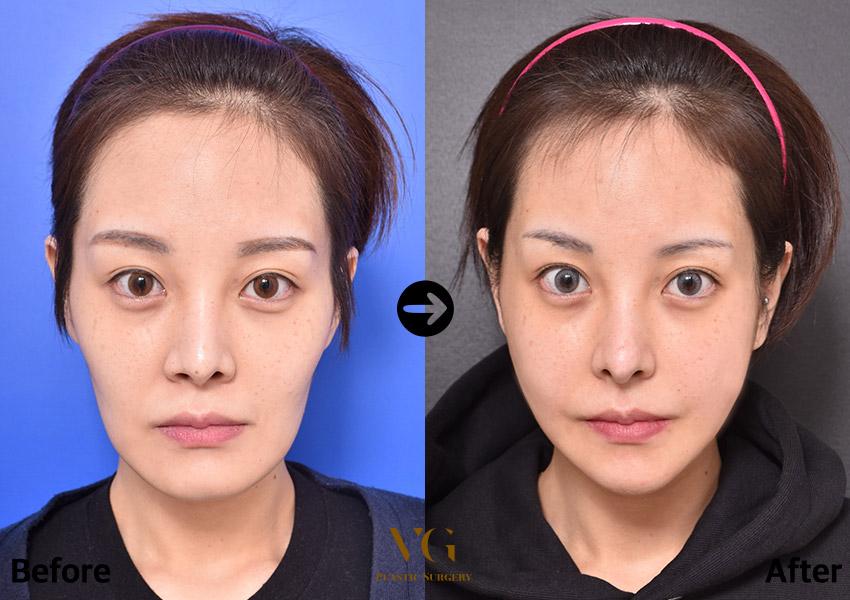
Real patients from our archive, all photographed 3 months after surgery. Tap a case to compare it full size.
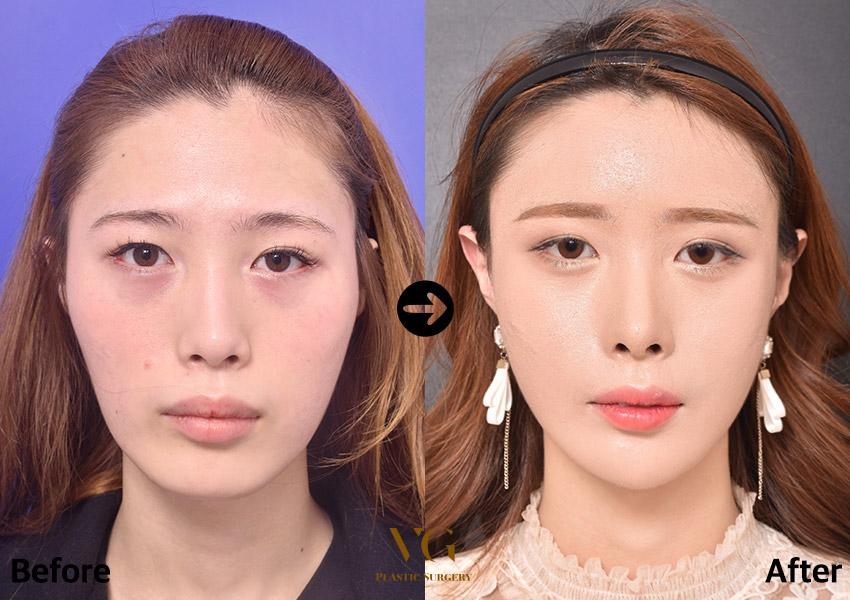
Cheekbone (Zygoma) Reduction3 months after surgery
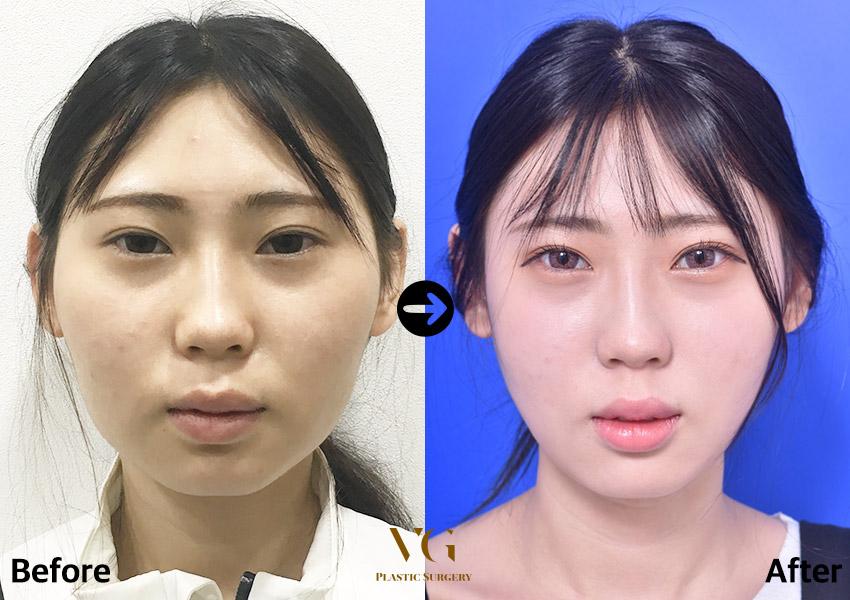
Cheekbone (Zygoma) Reduction3 months after surgery
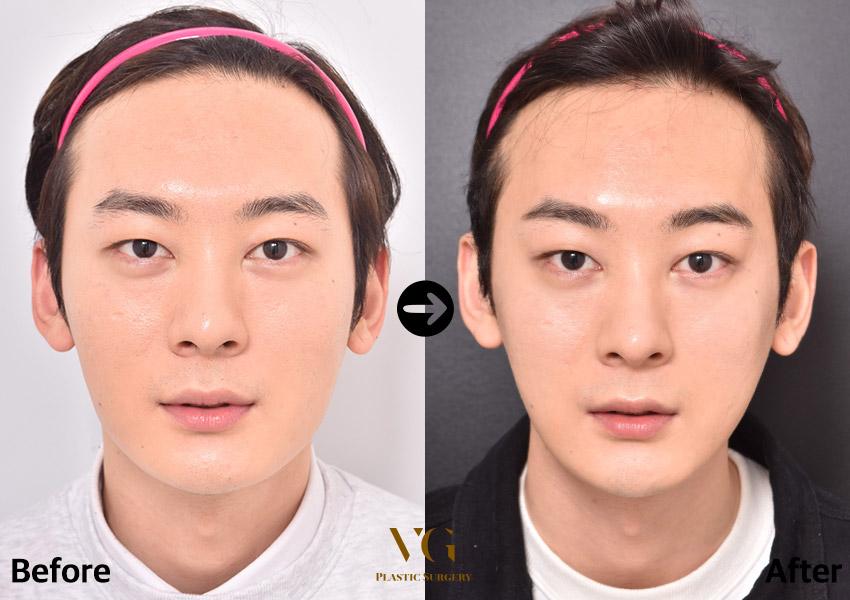
Square Jaw Reduction3 months after surgery
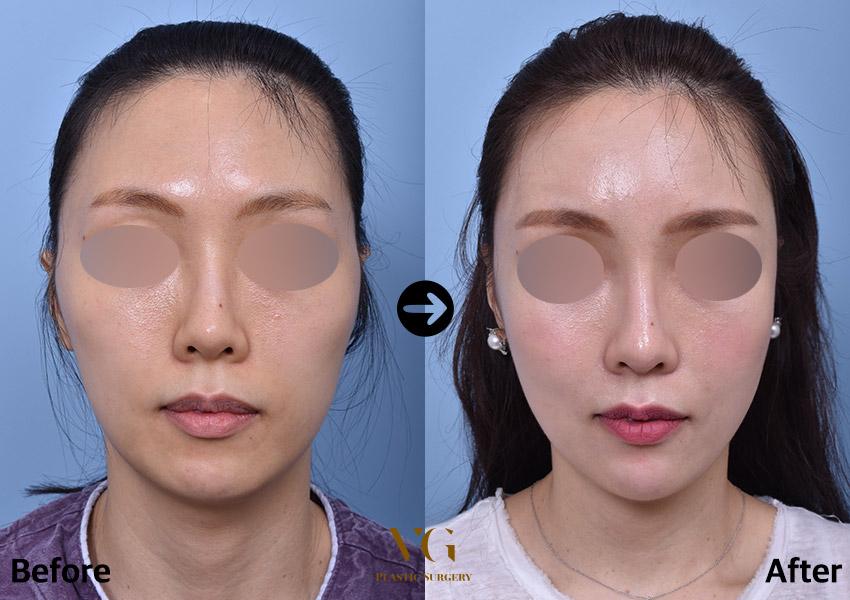
Cheekbone (Zygoma) Reduction3 months after surgery
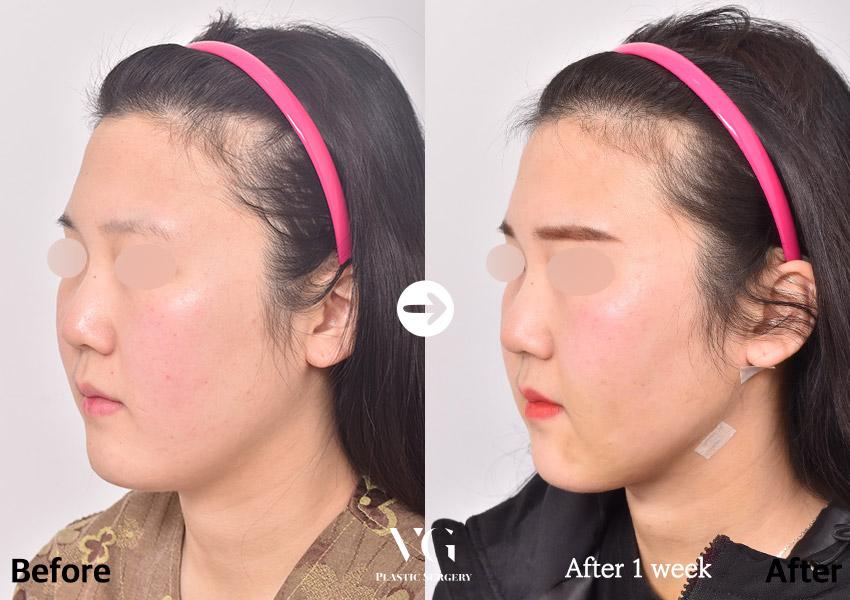
Double-Chin Liposuction3 months after surgery
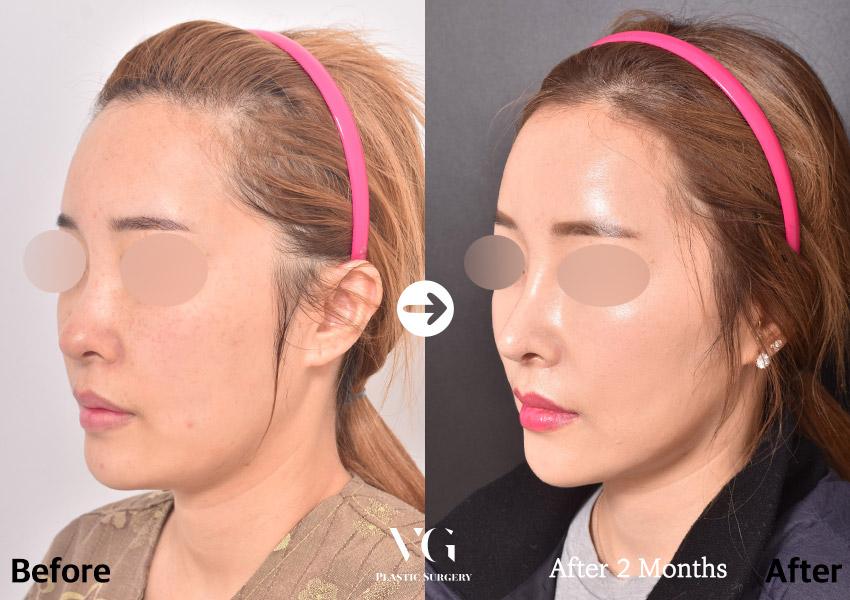
Double-Chin Liposuction3 months after surgery
FAQ
Questions patients ask
Can grinding my teeth make my jaw look square?
Yes. Night grinding and daytime clenching work the masseter hard every day, and the muscle thickens. Bone surgery doesn't stop grinding, so if you grind, a night guard fitted by your dentist is worth sorting out whatever else you decide, and mention the grinding at your consultation.
Is a square jaw genetic?
The shape of the jaw angle is largely inherited, which is why a square jaw often runs in families. Muscle size and fat change more over a lifetime, and sagging is mostly age. A parent with the same jaw is a hint toward bone, not proof.
Will losing weight make my jaw less square?
Only the part that is fat. If your face slims when you lose weight but the corners stay wide, the remaining width is bone or muscle. After your mid-forties, losing weight can also make sagging along the jawline easier to see.
What if I have both a wide jaw angle and sagging?
Both can sit in one face, and they pull in different directions: removing bone reduces support, while a lift repositions the tissue. The CT and how loose the tissue is settle which one comes first, or whether one is enough.
What should I bring from home for the consultation?
A list of your medicines and supplements, especially blood thinners, fish oil and anything else that affects bleeding; a dental panoramic X-ray if you have one; and notes on any earlier jaw-slimming injections or jaw and dental surgery. Old scans help, though the bone plan here is set on CT.
Sources
- Incidence of Complications Associated with Mandibuloplasty: A Review of 588 Cases over 5 Years (Plastic and Reconstructive Surgery Global Open, 2014)
- Avoidance of Injury to the Inferior Alveolar Nerve in Mandibular Angle Contouring; Maneuver of One Inch (J Korean Soc Aesthetic Plast Surg, 2003;9(2):33-36)
- In-hospital surgical treatment for haemorrhage after aesthetic mandibular osteotomy performed as an office-based day surgery: A case report (Ann Med Surg, 2017;24:15–18)
- Medical Tourism
This article explains general medical information. Whether surgery suits you, and which method, is decided only after a consultation with the surgeon.
Written by
Im Young Min
Chief Director · Plastic Surgery
- Ph.D. in Medicine
- Internship and residency, Seoul St. Mary's Hospital
- Board-certified plastic surgeon, Seoul St. Mary's Hospital
- Adjunct professor of plastic surgery, Seoul St. Mary's Hospital
- Former director, Topface Plastic Surgery
Next step
Send two photos. Get a surgeon’s answer.
Front and side, natural light, no filter. Dr. Im Young Min reviews them and tells you which method fits and how many days to stay in Seoul.
International patients pay the same surgical fee as Korean patients. Pricing policy
Keep reading
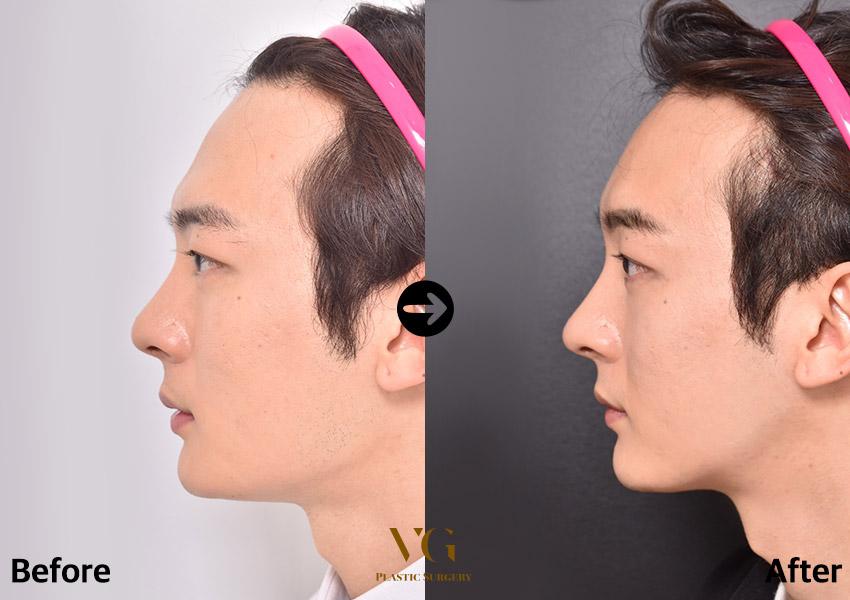
Facial Contouring
Korea Facial Feminization Surgery: Bone Work Sets the Trip
Facial feminization in Korea is usually jaw, chin and cheek contouring, often with rhinoplasty. The bone work sets the trip: longer if areas are combined.
Im Young Min ·
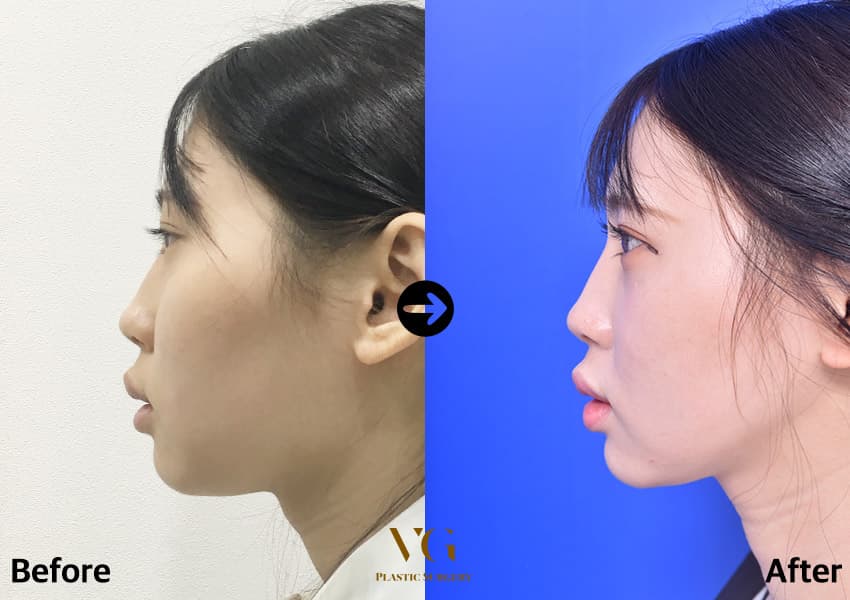
Facial Contouring
Jaw Shaving Surgery Risks: Lip Numbness, Bleeding, Uneven Angles and When to Wait
The main risks of jaw shaving are lip and chin numbness, bleeding in the first hours, uneven angles and, rarely, a fracture. Most numbness fades within months; a small share lasts beyond a year.
Im Young Min ·
Facial Contouring
Korea Sliding Genioplasty Consultation Booking Appointment: Why the Flight Home Gets Booked Last
For a sliding genioplasty trip to Seoul, send your photos first, have the in-person consultation early in the trip, fix the surgery date after it, and book the flight home last.
Im Young Min ·