Fat Grafting
Face Fat Grafting Korea: Which Areas, How Much Takes, and 7 Days in Seoul
A plastic surgeon in Seoul explains facial fat grafting: which hollows it fills, why only part of the graft survives, what the first ten days look like and how long to stay in Korea.
In this article
- 01What facial fat grafting does, and what it cannot promise
- 02Who fat grafting suits — and who should not book yet
- 03Areas of the face we graft, compared
- 04Surgery day and the recovery timeline
- 05Coming to Seoul for face fat grafting: days to stay
- 06Your own fat or filler: the question I hear most
- 07What I check first in consultation
- 08Risks, and how we reduce them
The short answer
Face fat grafting moves fat from your abdomen or thighs into hollows at the forehead, cheeks or under the eyes. Only part of the graft survives, so we graft conservatively and plan a second session when it is needed. The operation takes 1–2 hours under sedation, everyday life returns in 7–10 days, and you should plan at least 7 days in Seoul.
- The fat comes from your own abdomen or thighs, so there has to be enough donor fat to harvest.
- Only part of the grafted fat survives; survival differs between people, and a second session may be needed.
- Surgery takes 1–2 hours under sedation, usually with no admission and usually no stitches to remove.
- Swelling peaks around days 3–7, everyday life returns at 7–10 days, and the result is judged at about 6 months.
- Plan at least 7 days in Korea; fat grafting is often combined with a facelift or contouring surgery.
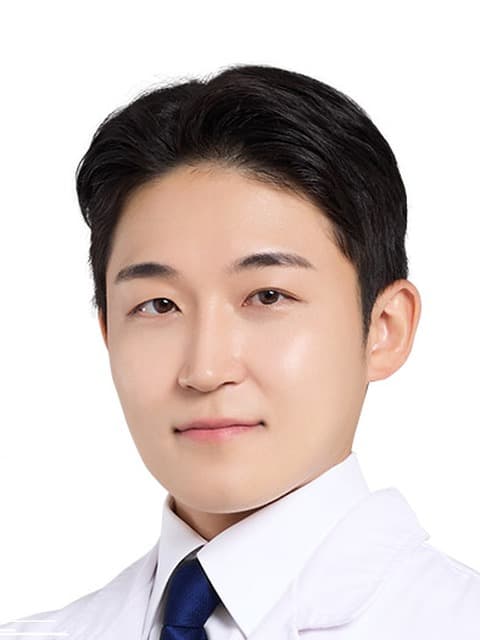
I am Yang Jong Phil, a board-certified plastic surgeon at VG Plastic Surgery in Seoul, trained at Korea University Hospital with a plastic surgery fellowship at the University of Chicago Medical Center. I am a full member of the Fat Grafting Research Group of the Korean Society of Plastic and Reconstructive Surgeons. Messages about face fat grafting Korea trips usually come with one complaint: friends keep asking whether you are tired.
Profile
Yang Jong Phil
Director · Board-certified in Plastic Surgery
What facial fat grafting does, and what it cannot promise
Facial fat grafting takes fat from a place where you have spare, usually the abdomen or thighs, and places it where the face has lost volume. Because it is your own tissue, there is nothing foreign left behind. Hollows at the forehead, temples, cheeks and under the eyes are the areas I am asked about most.
What it cannot promise is a fixed amount. Only part of a fat graft survives in its new place, and how much takes differs between people. That one fact shapes everything else in this article.
Who fat grafting suits — and who should not book yet
These are the situations where I consider fat grafting a reasonable plan.
- Hollowing at the forehead, cheeks or under the eyes that makes you look tired
- You would rather use your own tissue than repeat filler injections
- You are combining volume work with a facelift or facial contouring surgery
- There is enough donor fat on the abdomen or thighs to harvest
And these are the situations where I tell people to wait, or not to go ahead at all.
- Body weight too low to harvest enough donor fat
- You want maximum volume in a single session — survival varies, and a second session may be needed
- Inflammation or infection at the area to be grafted
- You will keep smoking, which works against graft survival
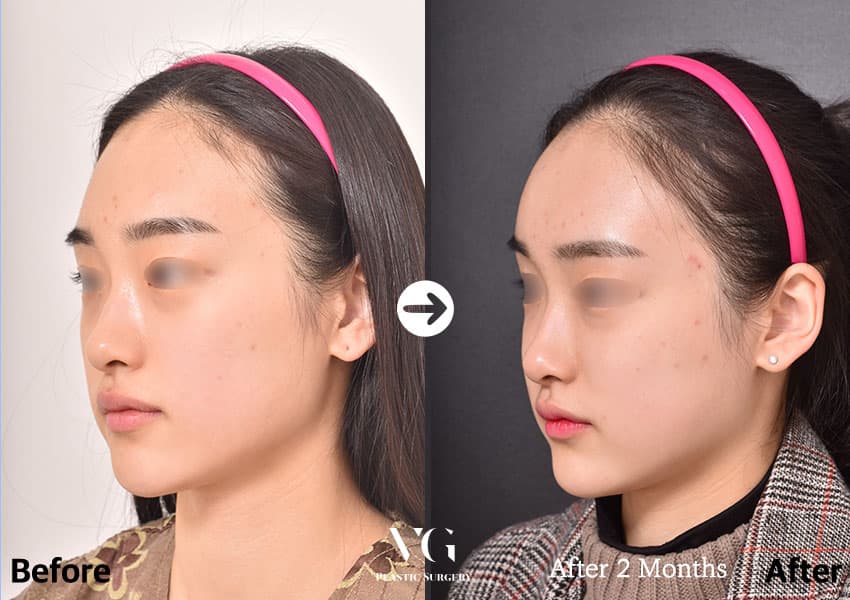
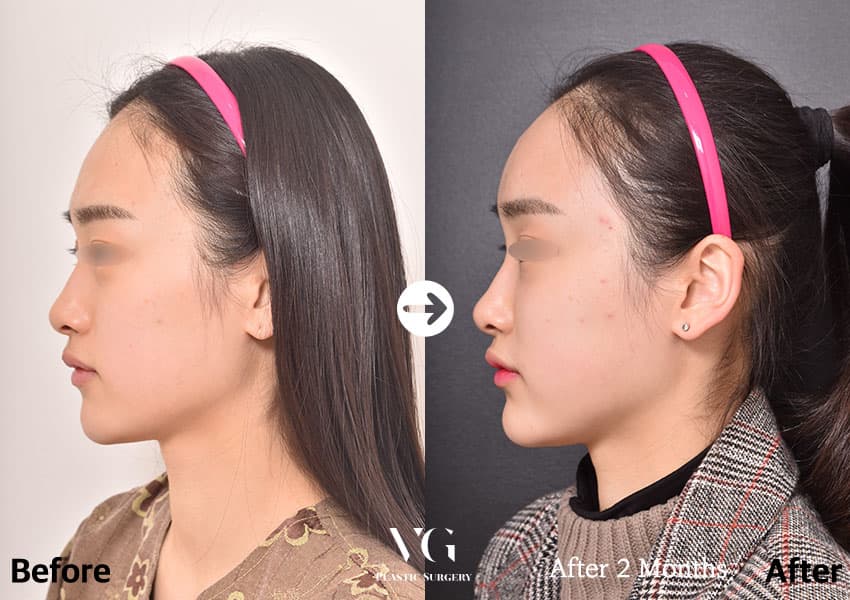
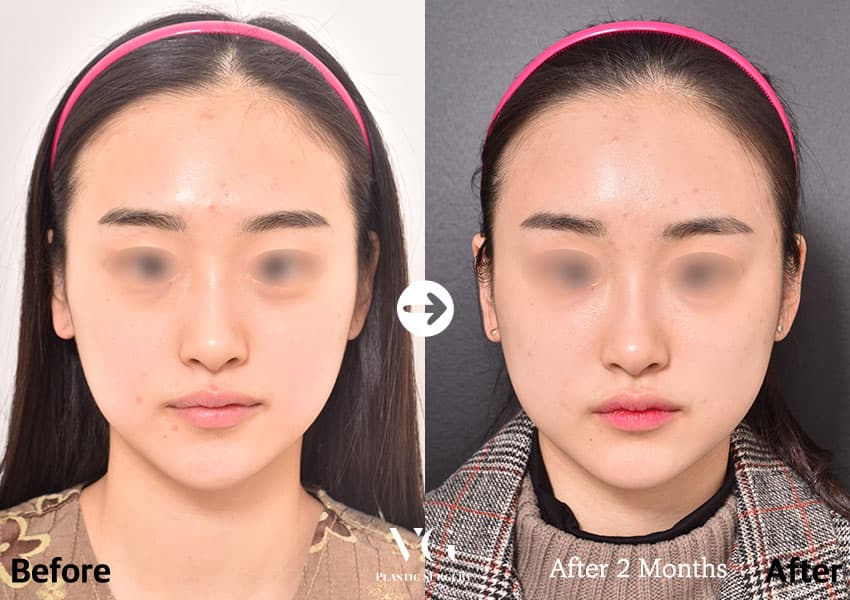
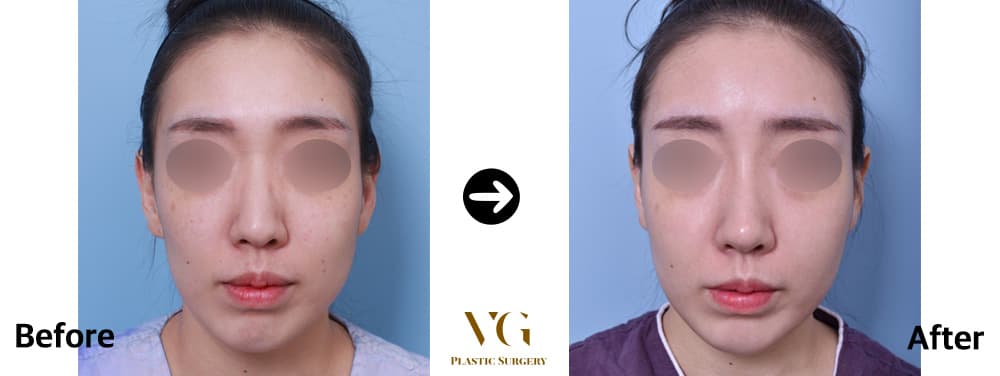
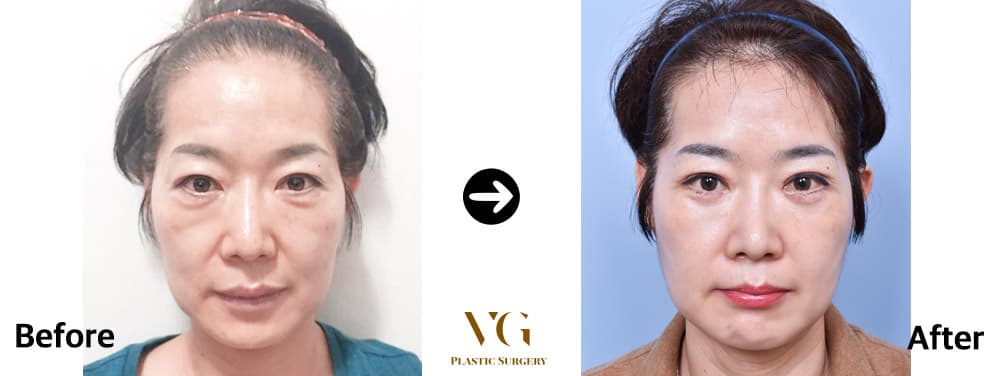
The photos above belong to the case at the top of this page. You can see this full-face fat graft case in full, or browse every before-and-after photo by area.
Areas of the face we graft, compared
People looking up fat transfer Korea clinics often ask for a list of areas. The area matters less than the reason it looks hollow, so the table below is how I sort the question at consultation.
| Area | What people notice | What I check first |
|---|---|---|
| Forehead and temples | A flat or sunken forehead, a narrow upper face | Whether the forehead bone itself is the shape, or only the soft tissue |
| Cheeks | Hollow cheeks that make the face look tired or older | Whether it is volume loss, or sagging that a lift would address |
| Under the eyes | A hollow or shadow below the lower lid | Whether fat under the eye should be repositioned rather than added |
| Chin | A short or flat chin in profile | Whether bone surgery would change the profile more than volume |
| Folds beside the mouth | Deep folds that do not fill when the skin is lifted | Whether a facelift is part of the plan |
Full-face grafting
Most of the cases in our archive are full-face grafts. When the forehead, temples and cheeks are all flat, filling one area alone can make the next one look more sunken. Treating them together keeps the proportions even.
Fat grafting with a facelift
Some places do not fill by lifting. When a face has both sagged and lost volume, your own fat goes into the cheeks and folds during the same operation as the lift. If sagging is the main problem, the Korean facelift guide explains the lift itself.
Surgery day and the recovery timeline
On the day, I mark the hollows and the donor area with you, with the interpreter present. Nothing starts until you agree to what is drawn.
The operation takes about 1–2 hours under sedation. Fat is harvested from the abdomen or thighs, then placed in small amounts into the marked areas. Hospital admission is usually not required, and there are usually no stitches to remove.
| When | What happens |
|---|---|
| Day after surgery | You can wash your hair; swelling is starting to rise |
| Days 3–7 | Swelling is at its peak, then begins to come down |
| Days 7–10 | Back to everyday life; most people fly home around here |
| 2–3 months | The face starts to look natural as swelling settles |
| About 6 months | The surviving fat has settled and the result is assessed |
Because the face is swollen early on, it looks fuller in the first weeks than it will later. I ask patients not to judge the result in the mirror during the first month. How much survived is something we look at together at the later checks.
Send three photos — front, 45 degrees and full profile in even light — and I'll tell you which hollows are volume loss and which are something else.
Coming to Seoul for face fat grafting: days to stay
For face fat grafting Korea visits, plan to stay at least 7 days. That covers the swelling peak and the checks before I confirm you are safe to fly. If the graft is combined with a facelift or contouring surgery, the stay follows the longer of the two.
- Arrival: pickup and the in-person consultation
- Surgery day, then recovery at a partner hotel within walking distance of the clinic
- Scheduled checks during your stay
- Final check before flying, and remote follow-up set up
The day-by-day stay planner lays this out against your own dates. After you go home, remote follow-up continues for three months, which matters here because survival shows itself over months, not days.
On the fee: international patients pay the same surgical fee as Korean patients, with no foreigner surcharge. What decides the quote is how many areas are grafted, whether a second session is planned and what else is combined. Our pricing policy explains the written quote you receive before you decide.
Your own fat or filler: the question I hear most
Many people searching fat grafting Korea options have had filler before and want to know how the two differ. The difference I can speak to is the material: a fat graft uses your own tissue, harvested from your body,, rather than a material brought in from outside. That is why people who are tired of repeating injections ask about it.
The trade-off is survival. Not all of the fat takes, and that is why I talk about a possible second session at the first consultation rather than after it. I do not compare how long other treatments last; I look at your face and tell you whether a graft fits it.
What I check first in consultation
If you are planning face fat grafting Korea and already carry little body fat, tell me at the start; it changes the plan. My training and the areas I operate in are on my profile page.
Risks, and how we reduce them
Fat grafting is surgery, at two sites: where fat is taken and where it goes. Swelling and bruising are expected at both, and the result differs from person to person.
- Uneven survival: some fat is reabsorbed; we graft conservatively and plan a second session when needed rather than overfilling
- Lumps: overfilling raises the risk, which is why small amounts are placed rather than the maximum in one go
- Infection: inflammation or infection at the recipient area is a reason to postpone
- Smoking: continued smoking works against survival, so tell me at consultation if you smoke
- Anesthesia: sedation is given with monitoring throughout the operation
The full fat grafting page sets out who it suits and our cases by concern in more detail.
Send your photos on WhatsApp, and I'll tell you which areas a graft would fill and whether to expect a second session.
Fat Grafting before & after — more cases
Real patients from our archive, all photographed 3 months after surgery. Tap a case to compare it full size.
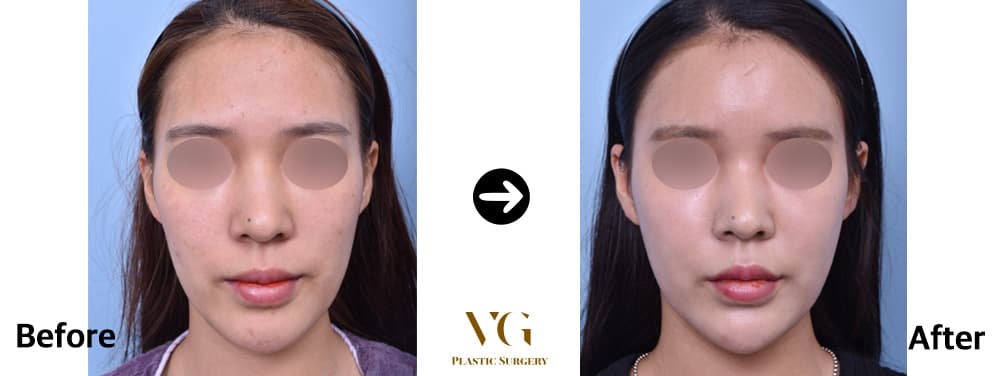
Fat Grafting3 months after surgery
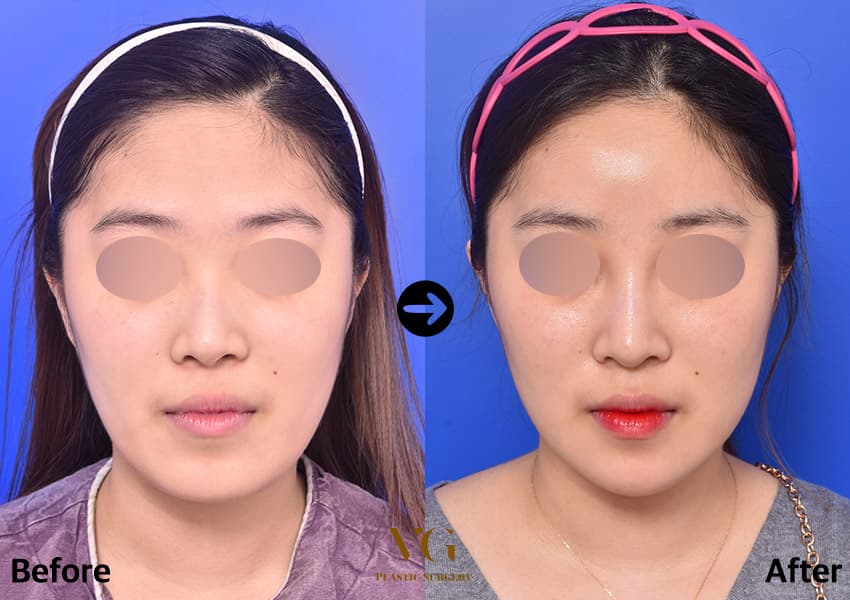
Forehead Fat Grafting3 months after surgery
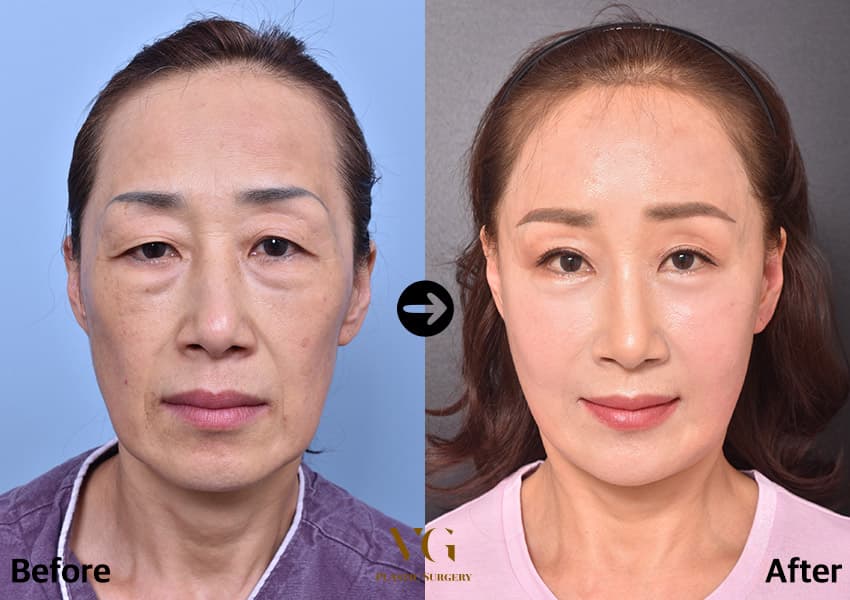
Fat Grafting3 months after surgery
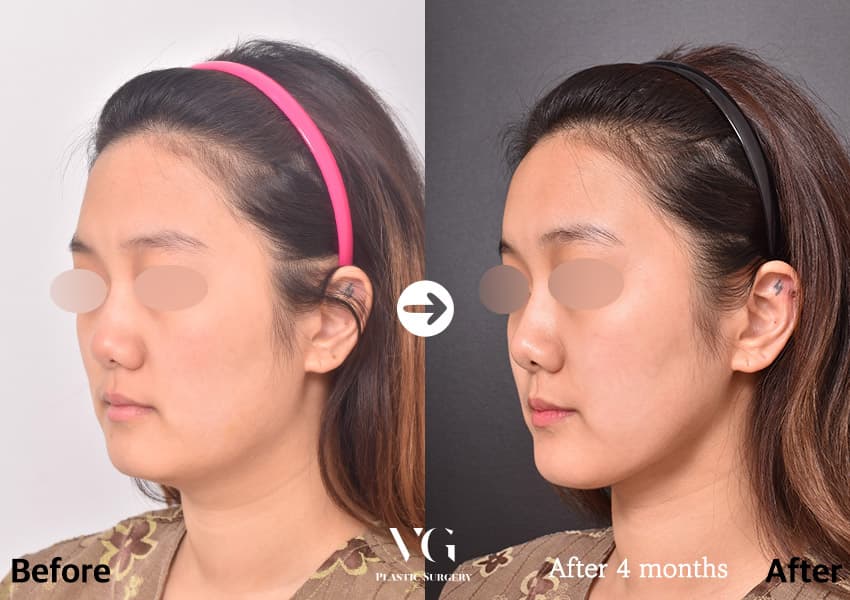
Fat Grafting3 months after surgery
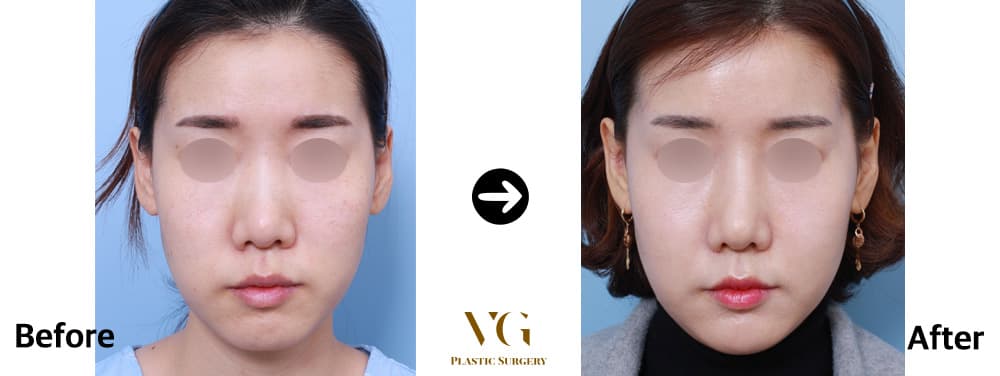
Fat Grafting3 months after surgery
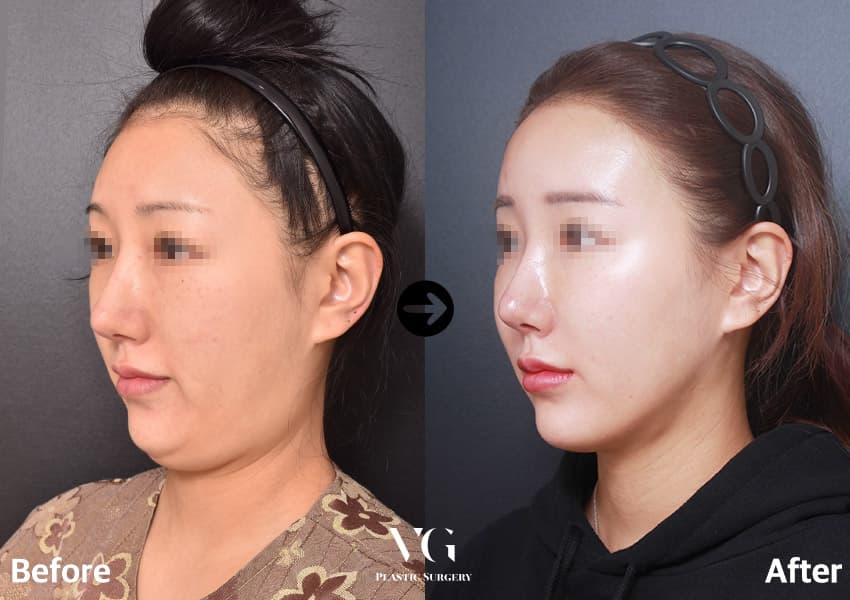
Fat Grafting3 months after surgery
FAQ
Questions patients ask
How long should I stay in Korea for face fat grafting?
At least 7 days. That covers the swelling peak around days 3–7 and the checks before your surgeon confirms you are safe to fly. If the graft is combined with a facelift or contouring surgery, plan for the longer stay.
How much of the grafted fat survives?
Only part of it, and the amount differs between people. We graft conservatively to avoid lumps and extra reabsorption, then assess the result at about 6 months and plan a second session if it is needed.
Where is the fat taken from?
Usually the abdomen or thighs. If your body weight is too low to harvest enough donor fat, fat grafting may not be the right plan.
Is facial fat grafting done under general anesthesia?
It is done under sedation and takes about 1–2 hours. Hospital admission is usually not required, and there are usually no stitches to remove.
How much is face fat grafting in Korea?
We do not publish a price list, because the fee depends on how many areas are grafted and what is combined. International patients pay the same surgical fee as Korean patients, and you receive a written quote after consultation, before you decide.
When can I go back to work after fat grafting?
Everyday life usually resumes at 7–10 days. The face starts to look natural at 2–3 months as swelling settles.
This article explains general medical information. Whether surgery suits you, and which method, is decided only after a consultation with the surgeon.
Written by
Yang Jong Phil
Director · Plastic Surgery
- Board-certified plastic surgeon, Korea University Hospital
- Korea University College of Medicine
- Plastic surgery fellowship, University of Chicago Medical Center
- International Confederation for Plastic, Reconstructive and Aesthetic Surgery (IPRAS)
- American Society of Plastic and Reconstructive Surgeons (ASPRS)
Next step
Send two photos. Get a surgeon’s answer.
Front and side, natural light, no filter. Dr. Yang Jong Phil reviews them and tells you which method fits and how many days to stay in Seoul.
International patients pay the same surgical fee as Korean patients. Pricing policy
Keep reading
Facelift
Deep Plane Facelift Korea Cost After a Lift That Didn't Last: What Are You Paying For? Reviews, Methods and Recovery
A deep plane facelift's cost follows how far the release goes, the neck, add-on procedures, earlier surgery and anesthesia time. Ask on WhatsApp with photos of your face and neck.
Im Young Min ·
Body Contouring
What Sets Liposuction Cost in Korea? Reviews, Methods and Recovery
There's no single liposuction cost in Korea: the figure is set by your areas, fat volume, anesthesia, any fat transfer and your days in Seoul. Ask on WhatsApp for your own combination.
Im Young Min ·
Facelift
Mini Facelift Korea Price: Why Do Two Quotes Differ? Reviews, Methods and Recovery
A mini facelift Korea price moves with how deep the lift goes, whether the neck is included, the anesthesia and your days in Seoul. The word “mini” alone tells you little about the figure.
Im Young Min ·