Nose
Korean Nose Job: What It Changes, How Long You Stay, What Sets the Cost
A rhinoplasty surgeon in Seoul explains what a Korean nose job usually means, which of four methods fits which nose, the recovery timeline, how many days to stay and how the fee is set.
· 6 min read · Last updated
In this article
- 01What people mean by a "Korean nose job"
- 02Who it suits — and who it doesn't
- 03Techniques compared: four ways to rebuild a nose
- 04Surgery day and the recovery timeline
- 05Coming to Seoul for rhinoplasty: days to stay, stitches and follow-up
- 06What decides the cost
- 07What I check first in consultation
- 08Risks, and how we reduce them
The short answer
A Korean nose job usually means rhinoplasty that raises a low or flat bridge and refines the tip so the profile looks balanced rather than operated on. In Seoul it is one of four methods — your own cartilage, a custom implant, rib cartilage, or breathing surgery in the same plan — chosen after the nose is examined. Plan to stay at least 7 days, or 14 if bone is cut or it is a revision.
- The method depends on where your nose starts: bridge height, tip cartilage, skin thickness and the septum.
- Surgery takes 1–3 hours under sedation or general anesthesia; stitches come out 5–7 days later.
- Stay in Korea at least 7 days, or 14 days when osteotomy is involved or it is a revision.
- International patients pay the same surgical fee as Korean patients, confirmed in one itemised written quote.
- A board-certified ENT specialist on staff checks the septum and airway inside the same surgical plan.
I am Park Sang Wook, deputy medical director and board-certified plastic surgeon at VG Plastic Surgery in Seoul, working in our nose and facial contouring centres. I trained in plastic surgery at Seoul St. Mary's Hospital, Catholic University of Korea. Patients writing from abroad ask me about a Korean nose job more than any other operation, so this is the answer I give them in consultation.
Profile
Park Sang Wook
Deputy Medical Director · Board-certified in Plastic Surgery
What people mean by a "Korean nose job"
Most people who search for a Korean nose job are describing a starting point, not a finished shape. The bridge is low or narrow, so the face looks flat from the front. The tip is round or wide, and the nose seems shorter in profile than they would like.
What they ask for is also consistent: height that looks like it grew there, a tip that is defined but not pinched, and a nose that still breathes. Height is the easiest thing to add and the easiest to overdo. The question I work on is where the bridge should begin, not how high it can go.
So Korean rhinoplasty is not one operation. It is a set of decisions about the bridge, the tip, the nostrils and the septum, made for one face.
Who it suits — and who it doesn't
These are the noses I see most often in consultation where surgery is a reasonable answer.
- A low or narrow bridge that leaves your face looking flat from the front
- A dorsal hump, a deviated nose or an upturned tip you want changed in profile
- One side blocks often, or you snore, so function needs assessing at the same time
- A previous implant is visible through the skin or has contracted, and you are considering revision
I also tell people when to wait, or when not to go ahead. Saying no in consultation is part of the job.
- An active sinus or nasal infection — we treat it first and reconsult afterwards
- A height that your own nasal structure cannot safely support
- You cannot stop smoking around the operation — rib cartilage and revision cases heal notably worse
- Adolescence, before facial growth is complete
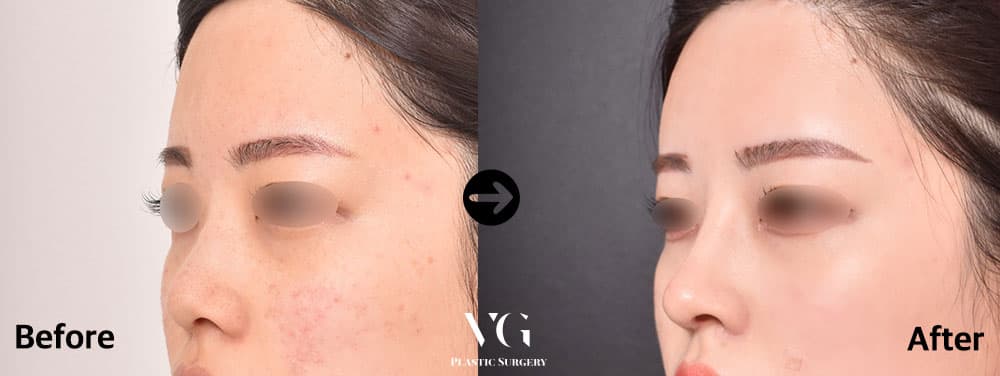
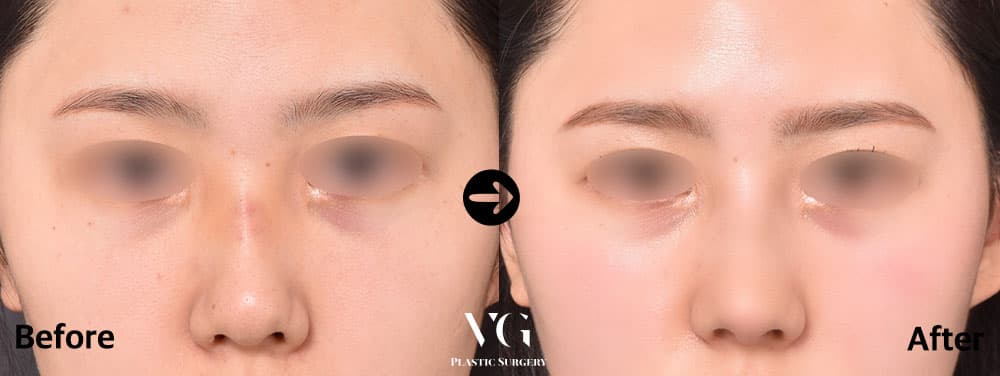
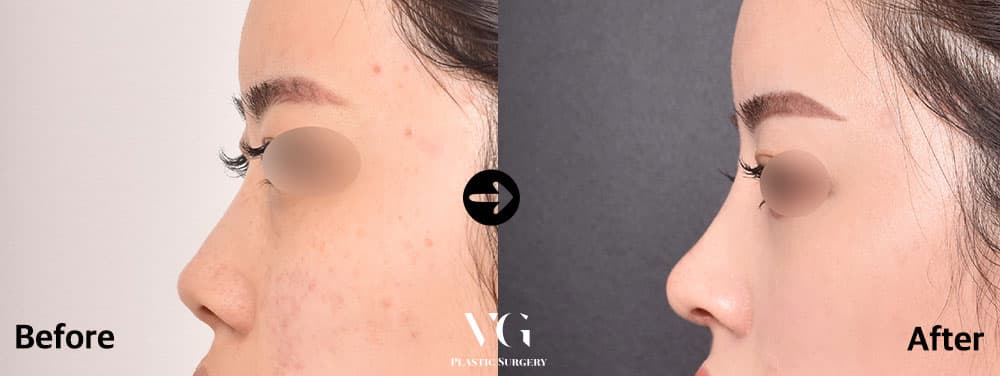
The first case is a bridge-only augmentation; the second raised the bridge and the tip together. You can see this bridge augmentation case in full, or browse every nose before-and-after photo by concern.
Techniques compared: four ways to rebuild a nose
No single method is always the right one. The condition of the nose decides which one is, and many plans combine two of them.
| Method | What it is for | How it works | Material |
|---|---|---|---|
| No implant (Mu-Mu) | Height without silicone or Gore-Tex | Ear cartilage minced to under 1 mm, combined with components from your own blood, placed by filler-like injection through a minimal incision | Your own auricular cartilage, supplemented by septal or rib cartilage if needed |
| Custom implant (Fit-Me) | A bridge that stock implants do not fit | A 3D scan of your nose; the implant is designed 1:1 and printed before surgery, so it is not trimmed on the table | Silicone, shaped to your own bridge |
| Rib cartilage | Revision, contracture and complex noses | Rib cartilage carved to fit; the chest incision is kept minimal when your own rib is used | Your own rib, or donor rib cartilage |
| Breathing (ENT) | Deviated septum, turbinates, nasal valve | 3D CT and endoscopy read the airway first; septum and valve go into the same plan | Your own septal cartilage, straightened |
Bulbous tips and humps
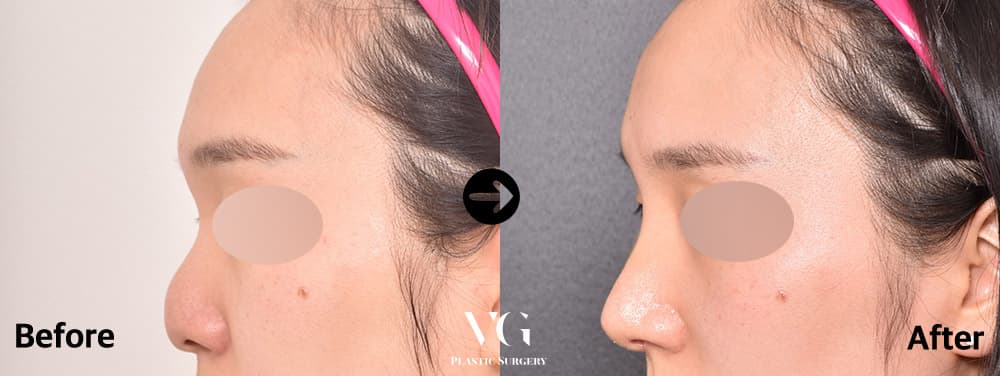
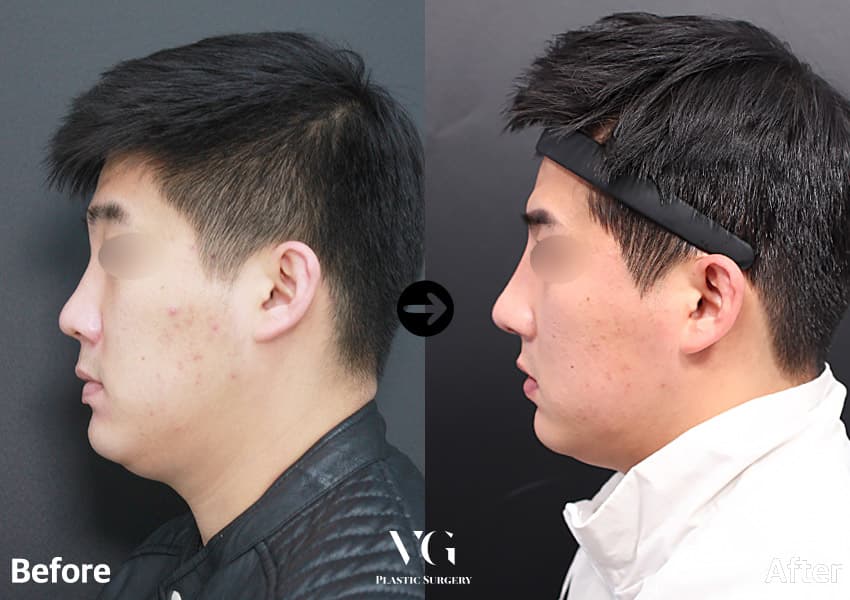
A round tip is thick skin and splayed cartilage at the same time. In bulbous nose rhinoplasty, thin skin settles quickly, while thick skin takes months. A hump shows in profile more than head-on, and filing it down on its own can leave the bridge looking wider, so the two are usually planned together.
Surgery day and the recovery timeline
You arrive 90 minutes before your slot. I draw the plan on your face and go through it with you for 20–30 minutes, with an interpreter present, and nothing starts until you agree to it.
The operation takes 1–3 hours under sedation or general anesthesia. You then spend 1–2 hours in the recovery room, and most people go back to the hotel the same day; for a revision I advise one night in our inpatient room.
| Milestone | No bone work | With osteotomy | Revision |
|---|---|---|---|
| Swelling at its peak | Days 3–5 | Days 5–7 | Days 5–7 |
| Stitches out | Days 5–7 | Day 7 | Day 7 |
| Back to everyday activity | About 7 days | About 14 days | About 14 days |
| Most people no longer notice | 1–2 months | About 3 months | 3–6 months |
| Final result assessed | 6 months | 6–12 months | 12 months |
You can wash your hair from the day after surgery, keeping water off the nose. The first check the next morning is not optional, because that is when we look at how the first night went.
Send a front and a side photo on WhatsApp — I'll tell you whether your nose needs structure, tip work or both.
Coming to Seoul for rhinoplasty: days to stay, stitches and follow-up
For rhinoplasty in Korea, plan to stay at least 7 days, or 14 days when osteotomy is involved or it is a revision. The longer stay covers stitch removal, the swelling peak and a final check where I confirm you are safe to fly.
- Arrival day: pickup and the in-person consultation, or the next morning if you land late
- Surgery day, then the first check the following morning
- Recovery at a partner hotel within walking distance of the clinic
- Stitches out 5–7 days after surgery
- Final check before flying, and a schedule for remote follow-up
The day-by-day stay planner lays this out against your own dates. After you fly home, follow-up continues for three months by photograph review with written replies, and you leave with your operation record and instructions in English.
An interpreter sits with you through consultation, the design on surgery morning and every follow-up visit. Everything else about arriving — pickup, hotels, one coordinator from first message to final check — is on our page for international patients.
What decides the cost
People often ask how much a nose job is in Korea before they have sent a photo. I cannot give one honest number, because two people asking for the same operation can need a different technique, a different graft and a different time under anesthesia.
- Method: whether the plan uses your own cartilage, a custom implant, rib cartilage or septal work
- Graft material: some plans need more cartilage than the base plan assumes
- Revision: previous scar tissue changes the operating time and sometimes the technique
- Tests: bloodwork or imaging where your own records are not recent enough
What does not change the fee is your passport. International patients pay the same surgical fee as Korean patients, with no foreigner surcharge and no agency commission built in. Our pricing policy sets out what the written, itemised quote includes — anesthesia, interpretation and three months of remote follow-up among them.
What I check first in consultation
Rhinoplasty here is handled by four board-certified plastic surgeons and one board-certified ENT specialist. My own background, including membership of the Maxillofacial Contouring Surgery Research Group, is on my profile page.
Risks, and how we reduce them
Every rhinoplasty carries risk: swelling that lasts longer than expected, asymmetry while tissue settles, breathing that changes, and with implants, shifting or contracture. Recovery and outcome differ from person to person, and I would rather you hear that from me before surgery than after.
- Breathing inside the plan: our ENT specialist reads the septum, turbinates and nasal valve by 3D CT and endoscopy before surgery, so breathing is not traded for shape
- Anesthesia: board-certified anaesthesiology specialists are on site, and an anesthesiologist stays with you for the whole operation
- One surgeon throughout: the doctor who consults with you operates and follows you up
- Material chosen for your tissue: rib cartilage for contracted or previously operated noses, where an implant would sit poorly
- Transparency: a guardian travelling with you can be given access to the operating-room CCTV
If you are weighing up rhinoplasty in Korea, start with the full rhinoplasty page, which covers each method and our results by concern in more detail. For men, my colleague's Korean men plastic surgery guide looks at the nose from that side.
Send photos from the front, side and below on WhatsApp, and I'll tell you which of the four methods I would plan and how long you would need in Seoul.
Nose before & after — more cases
Real patients from our archive, all photographed 3 months after surgery. Tap a case to compare it full size.
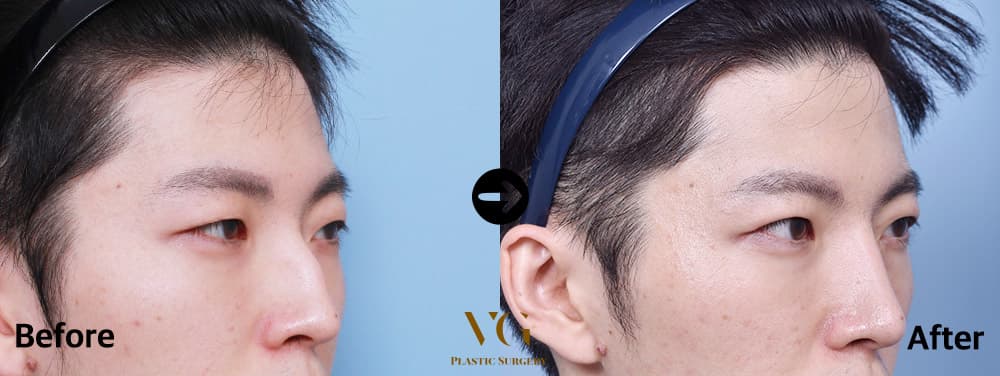
Hump Reduction3 months after surgery
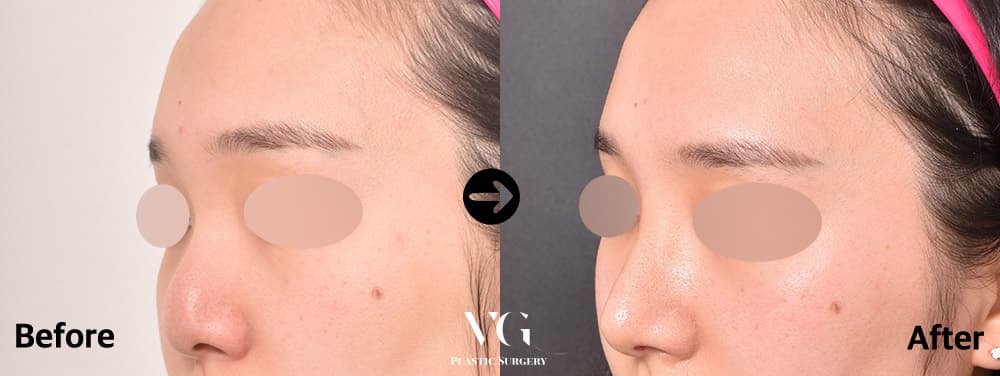
Hump Reduction3 months after surgery
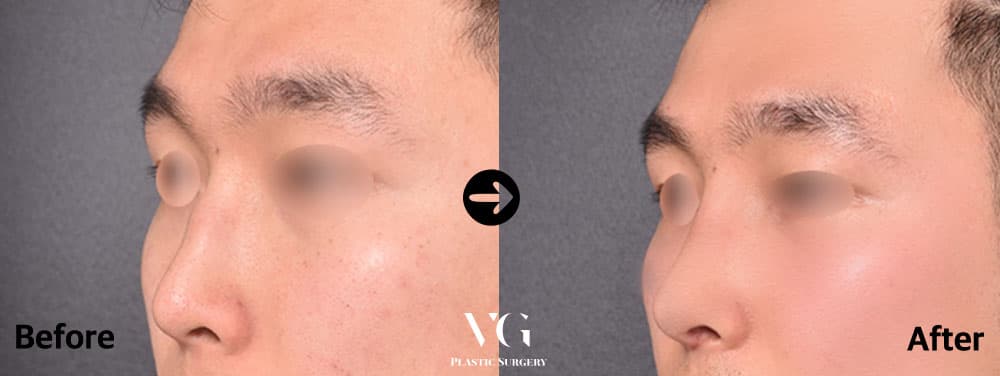
Hump Reduction3 months after surgery
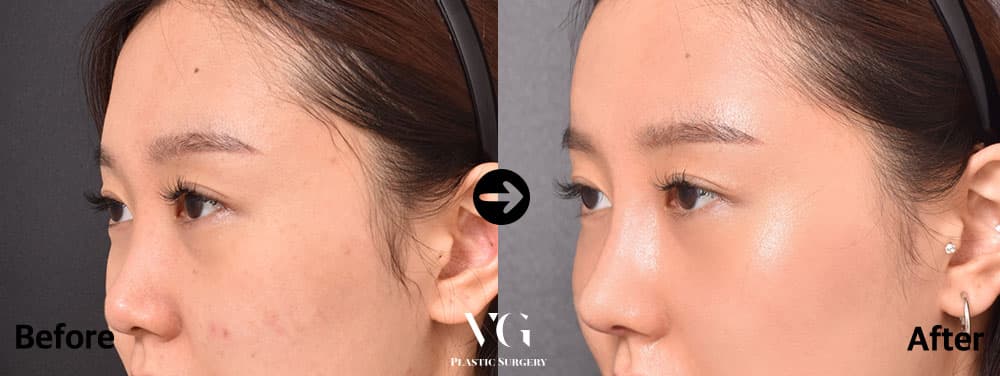
Dorsal Augmentation3 months after surgery
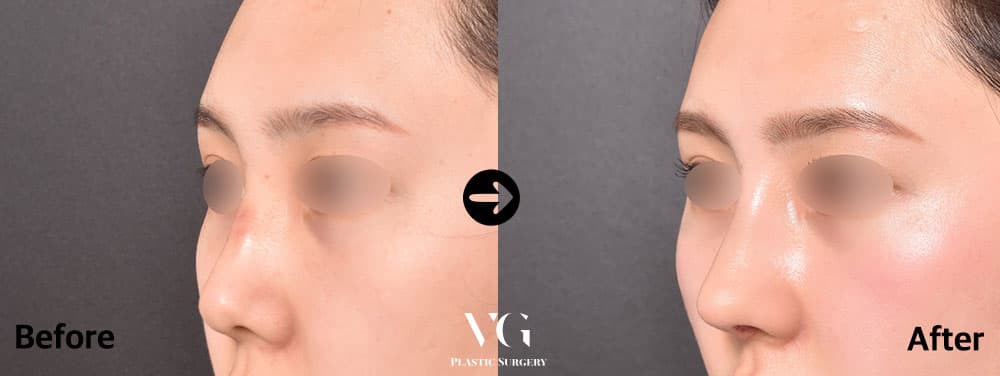
Dorsal Augmentation3 months after surgery
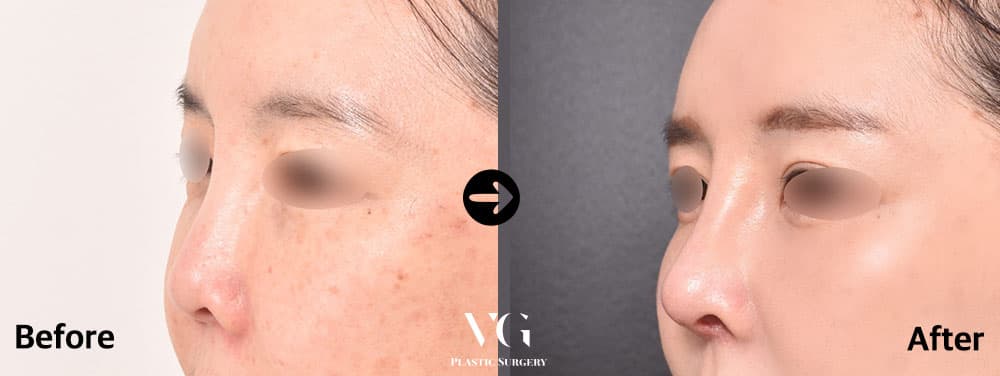
Dorsal Augmentation3 months after surgery
FAQ
Questions patients ask
How much is a nose job in Korea?
We do not publish a price list, because the figure depends on the method, the graft material and whether it is a revision. What we do commit to is the fee: international patients pay the same surgical fee as Korean patients. Send photos and you receive an itemised written quote after consultation, before you decide anything.
How long should I stay in Korea after rhinoplasty?
At least 7 days, or 14 days when osteotomy is involved or it is a revision. That covers the swelling peak, stitch removal 5–7 days after surgery and a final check before you fly.
Is a Korean nose job permanent?
The shape is intended to last, but it takes time to settle: the final result is assessed at around 6 months, 6–12 months with bone work, and 12 months for a revision. The tip is the part that has to stay stable for years, which is why where the cartilage sits matters more than how much is added. With donor rib cartilage, how much resorbs over time varies from person to person.
Can I fly home after rhinoplasty?
Yes, once your surgeon has confirmed at the final check that you are safe to fly, usually at the end of a 7 or 14 day stay. Follow-up then continues remotely for three months by photograph review with written replies.
Rib cartilage or ear cartilage — which is used?
Ear cartilage is the base of the no-implant method, where it is minced to under 1 mm and injected along the bridge, with septal or rib cartilage added if needed. Rib cartilage rhinoplasty is for revision, contracture and complex noses that need firmer support. Your own rib means a small chest incision but no rejection concern; donor rib avoids the incision, though how much of it resorbs varies.
Can breathing problems be fixed at the same time?
Yes. A deviated septum, enlarged turbinates or a narrow nasal valve can be assessed by our ENT specialist and corrected in the same operation. How much breathing will change is something we tell you after an examination, not in advance.
Sources
This article explains general medical information. Whether surgery suits you, and which method, is decided only after a consultation with the surgeon.
Written by
Park Sang Wook
Deputy Medical Director · Plastic Surgery
- Board-certified plastic surgeon
- Plastic surgery residency, Seoul St. Mary's Hospital, Catholic University of Korea
- Former director, DA Plastic Surgery
- Full member, Korean Cleft Palate-Craniofacial Association
- Maxillofacial Contouring Surgery Research Group
Next step
Send two photos. Get a surgeon’s answer.
Front and side, natural light, no filter. Dr. Park Sang Wook reviews them and tells you which method fits and how many days to stay in Seoul.
International patients pay the same surgical fee as Korean patients. Pricing policy
Keep reading
Nose
Rhinoplasty Cost in South Korea in Rupees: What Changes It for a Flat Nose or Crooked Septum? Reviews, Methods and Recovery
There's no honest rupee figure for a nose nobody has examined. The cost follows the method, septum work, revision, anesthesia time and days in Seoul; send photos on WhatsApp to ask about yours.
Im Young Min ·
Nose
What Decides the Cost of Rhinoplasty in South Korea? Reviews, Methods and Recovery
There is no single price for a nose job in Korea: the method, the cartilage source, septum work, revision status and anesthesia set the figure for your nose.
Im Young Min ·
Nose
How Much Does a Nose Job Cost in Korea? Four Cost Drivers, Reviews, Methods and Recovery
A nose job in Korea is priced from four parts: the scope of the change, the building material, any breathing work and the anesthesia. Foreigners pay the same surgical fee as Korean patients, with a written estimate.
Im Young Min ·