Nose
How Much Does a Nose Job Cost in Korea? Four Cost Drivers, Reviews, Methods and Recovery
A nose job in Korea is priced from four parts: the scope of the change, the building material, any breathing work and the anesthesia. Foreigners pay the same surgical fee as Korean patients, with a written estimate.
In this article
- 01Why a search result can't price your nose
- 02What decides the cost of a nose job for your case?
- 03Which rhinoplasty methods change the quote?
- 04What do reviews get right about rhinoplasty cost in Korea?
- 05Say you have thick skin, a small hump and a blocked left side
- 06How long is rhinoplasty recovery, and what does it add to your trip?
- 07Risks and side effects to know
- 08What should your first message include?
The short answer
How much does a nose job cost in Korea, and will the figure you find online still hold once you've flown to Seoul and been examined? No single number answers that, because the fee is built from what your nose needs: how much changes, what material supports it, whether the septum and airway need work, and the anesthesia. Two people with the same wish list can need different operations.
- A rhinoplasty fee is set by four things: scope, building material, breathing work and anesthesia.
- Foreigners pay the same surgical fee as Korean patients here, and the estimate is given in writing.
- Flights and hotel nights grow with your stay, and your stay follows from your plan.
- A photo can't show your septum, so mention any breathing problem in your first message.
- Reviews describing quick swelling are about the early weeks; the tip can take up to a year to settle.
Read this before you line up quotes or book a flight.
Profile
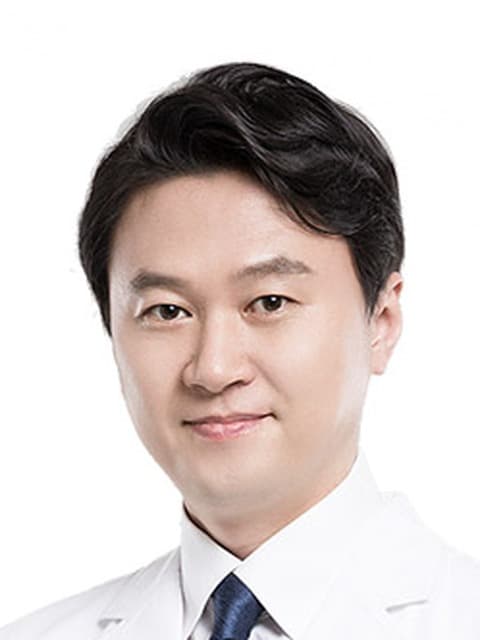
Im Young Min
Chief Director · Board-certified in Plastic Surgery
You'll come away knowing the four things that set a rhinoplasty fee, what review threads get right and wrong about cost, how the methods differ, and what recovery adds to your trip. That's enough to tell which kind of operation fits your nose and your budget before you ask for a number.
Hello, I'm Dr. Im Young Min, Chief Director and a board-certified plastic surgeon at VERYGOOD Plastic Surgery in Gangnam, Seoul. I trained at Seoul St. Mary's Hospital and teach there as an adjunct professor of plastic surgery.
Three things about this clinic bear directly on a rhinoplasty quote. An ENT specialist practises in our rhinoplasty centre, so a deviated septum or a narrow airway is assessed in the same plan as the shape. Three board-certified anesthesiologists work here full time, one dedicated to each operation. And foreigners pay the same surgical fee as Korean patients, with the estimate given in writing.
I wrote this because people often compare headline figures for two noses that need different operations, then feel misled when their own quote comes back different.
Your fee is the sum of four parts: the scope of the change, the building material, any breathing work, and the anesthesia. Flights and hotel nights sit on top. The figure for your nose comes from your photos first and an examination after.
If you'd like a first sense of where you stand, send one front photo and one side profile taken in daylight on WhatsApp, and add the question that matters most to you, for example whether your septum would change the plan. Daylight photos without filters show the tip and the bridge as they really are.
Send your nose photos and one question on WhatsApp
Why a search result can't price your nose
"Nose job" is one phrase for many different operations. Refining a round tip through incisions inside the nostrils and rebuilding a collapsed septum with rib cartilage in a revision both count as rhinoplasty, yet they differ in operating time, material, anesthesia and how many specialists are involved.
What most people miss is the support underneath. A higher bridge or a more defined tip needs structure, and that structure comes either from an implant or from your own cartilage. Where that cartilage comes from, the septum, the ear or a rib, changes the size of the operation more than any other single choice.
Skin matters too. Thick skin over the tip hides fine cartilage work, so a surgeon may need stronger support to show any change, and that adds work. None of this shows up in a price list, which is why a figure quoted before anyone has seen your face tends to describe an average nose.
What decides the cost of a nose job for your case?
Four things set the surgical fee. The table gives each one with the detail worth mentioning when you ask.
| Cost driver | What moves it | What to mention when you ask |
|---|---|---|
| Scope | Tip only, bridge only, both, nostrils added, or a revision | Which part bothers you most |
| Building material | Implant, or cartilage from septum, ear or rib | Any previous implant or nose surgery |
| Breathing work | A deviated septum or narrow airway treated in the same operation | Which side feels blocked, past injuries |
| Anesthesia | Type of anesthesia and length of the operation | Medications and health conditions |
A revision usually sits at the top of it, because scar tissue slows the work and the septum may already have been used, which pushes the material toward ear or rib.
Breathing work is where our setup changes the arithmetic. Because an ENT specialist practises in the rhinoplasty centre, a crooked septum can be corrected within the same operation instead of in a separate procedure with a separate recovery. It adds to the scope, but you go through anesthesia and swelling once.
Anesthesia is a safety item before it is a cost item. One of our three staff anesthesiologists watches your blood pressure, pulse and breathing from the first injection until you're awake, and the surgeon does nothing but operate.
Costs that sit outside the fee
Flights, hotel nights, meals and a companion's travel are part of what the trip costs, and they grow with each day you stay in Seoul. Plan the follow-up you'll need once home as well, since a check with a local doctor is easier to arrange before you leave than after.
So how much does a nose job cost in Korea for you specifically? Ask on WhatsApp what it would cost for your case, and attach a front photo, both side profiles and one from below. Our site's photo quote is set up so the surgeon who would operate reviews the photos you send and replies with a plan and an estimate. There's more on how quotes are built across procedures in what sets a plastic surgery quote in Korea.
Which rhinoplasty methods change the quote?
The method follows from what needs changing, and each choice carries its own amount of work.
Closed or open approach. A closed approach keeps the incisions inside the nostrils. An open one adds a small cut across the skin between the nostrils, which gives the surgeon a direct view of the tip cartilage, and it is usually chosen for complex tip work and revisions.
Implant augmentation. Raising a low bridge with an implant is a common route in Asian rhinoplasty. It avoids harvesting cartilage, but an implant carries its own long-term risks, such as infection or shifting, that your own cartilage does not.
Cartilage-only work. Septal cartilage comes from inside the nose. Ear cartilage leaves a small scar behind the ear. Rib cartilage gives the most material but adds a chest incision. The further the source, the larger the operation.
Tip and nostril refinement. Tip plasty and alar reduction can be done alone or with bridge work. Done alone, they are among the smaller nose operations.
Functional rhinoplasty. Septum and airway correction with our ENT specialist, combined with shape changes where you want them.
Revision. A second operation starts from what the first one left behind, so it is planned on its own terms. If you're unsure whether now is the time, when a Korean nose job should wait covers the signals.
What do reviews get right about rhinoplasty cost in Korea?
Review threads and forums repeat a handful of claims about cost. Some hold up medically, and some don't.
“My quote went up after the consultation.” This happens for a real reason. A photo shows shape. It can't show how bent the septum is, how strong your cartilage is or how thick the tip skin feels, and the plan can grow once an examination adds that information. When you get a photo-based estimate, ask what it assumes about your septum and your cartilage source.
“Foreigners get charged more.” I can't speak for other clinics. Here, foreigners pay the same surgical fee as Korean patients, and the estimate is written down so you can see what it covers.
“The price covered everything.” Estimates differ in what they list. Ask which items yours includes, for example anesthesia, medication and follow-up visits in Seoul, so you aren't comparing a full plan with a partial one.
“The swelling was gone in two weeks.” Partly true. Bruising and the most visible swelling often fade within the first couple of weeks, but the American Society of Plastic Surgeons notes that it can take up to a year for the new contour to fully refine. A review written in week three describes week three.
Say you have thick skin, a small hump and a blocked left side
Here is how I would reason through a typical combination. Say the skin over your tip is thick, there is a small hump on the bridge, and you've always breathed worse through the left nostril, though no one has examined why.
The left side is the first thing I'd want to understand, because a deviated septum changes the plan more than the hump does. If the septum needs straightening, our ENT specialist assesses it in the same plan, and cartilage removed while straightening a septum can often serve as graft material for the tip. That adds breathing work to the scope but may keep the operation away from ear or rib cartilage.
The thick skin sets a limit. It softens how defined the tip can look, so I'd steer you away from expecting a narrow, sharp tip and toward a tip that reads clearly through your skin. The hump itself is the smaller part of the operation.
What does that mean for cost? Breathing work and tip support push it up, while using septal cartilage instead of a second donor site can keep it from climbing further. Mentioning the blocked side from the start brings the photo estimate much closer to your real plan.
If this sounds close to your nose, add a photo from below with the nostrils visible, plus one line on which side breathes worse, when you message on WhatsApp. A shape-only estimate can't account for a septum it hasn't heard about.
Send your nose photos and one question on WhatsApp
How long is rhinoplasty recovery, and what does it add to your trip?
Recovery shapes the trip budget because every day in Seoul has a cost. The NHS lists swelling, bruising and a blocked feeling in the nose as common early effects.
Two things push you toward a longer stay. The first is the extent of the operation: rib cartilage or a revision means a larger recovery than tip work alone. The second is flying. The US CDC's medical tourism guidance points out that flying soon after surgery raises the risk of blood clots and that travel timing belongs in the conversation with your surgeon. Ask for your own stay length together with the estimate, since it follows from your plan.
Our consultation hours are Monday to Friday 10:00–20:00 and Saturday 10:00–16:00, Korea time, so set your arrival so the first consultation falls inside them. For a closer look at planning around the splint, see how many days in Seoul to plan for a nose job.
Risks and side effects to know
The common reactions are temporary: swelling, bruising around the eyes, a stuffy nose while the inside heals, and numbness at the tip that usually returns over weeks to months. The American Society of Plastic Surgeons lists less common risks including bleeding, infection, poor wound healing, difficulty breathing through the nose, asymmetry and the possibility of needing a revision. Implants add the risk of infection, shifting or showing through the skin over time.
As a general rule, some people should wait or reconsider: anyone whose nose is still growing, anyone with an active sinus or skin infection near the nose, people who are pregnant or breastfeeding, smokers who can't stop for the weeks around surgery, and anyone on blood thinners or with a bleeding disorder that isn't controlled. Whether surgery suits you is decided at the examination in Seoul, and results differ from person to person.
If something changes after you fly home, such as fever, spreading redness, discharge, a sudden increase in swelling on one side, or breathing that gets worse instead of better, see a local doctor promptly. The written plan also helps your local doctor see what was done.
What should your first message include?
The first message can be small. Send your travel dates on WhatsApp with one question, for instance: “What would this cost for my nose, and what would the plan include?” You can ask before booking anything.
Related pages:
Nose before & after — more cases
Real patients from our archive, all photographed 3 months after surgery. Tap a case to compare it full size.
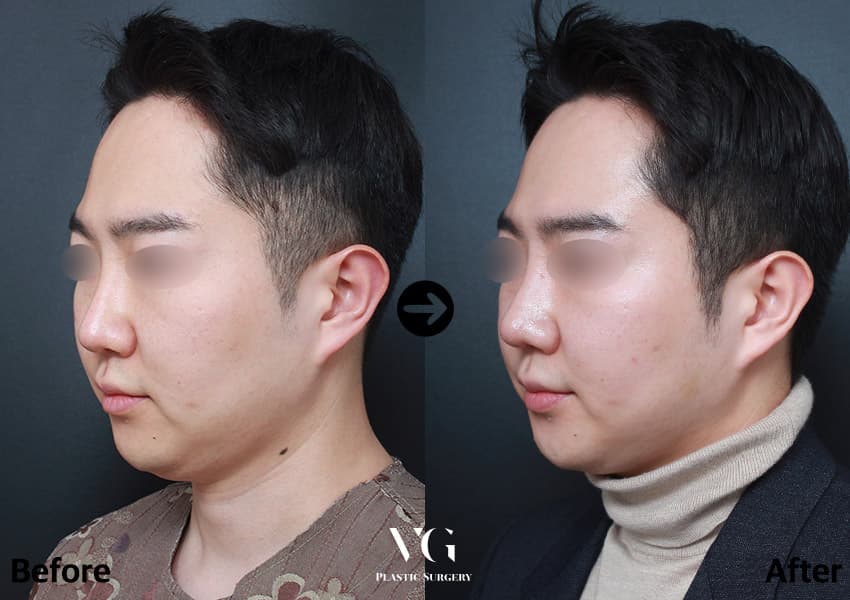
Male Rhinoplasty3 months after surgery
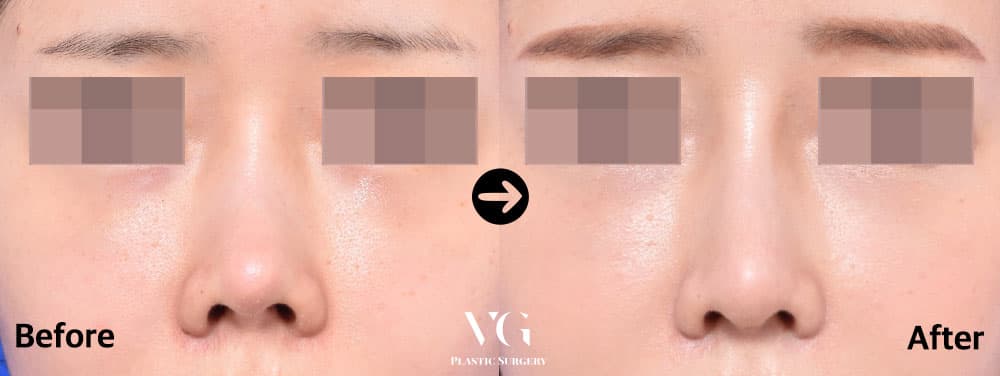
Revision Rhinoplasty3 months after surgery
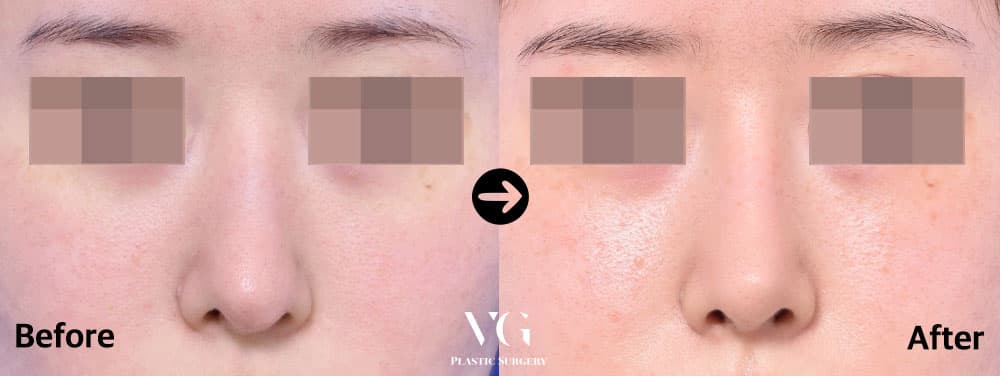
Revision Rhinoplasty3 months after surgery
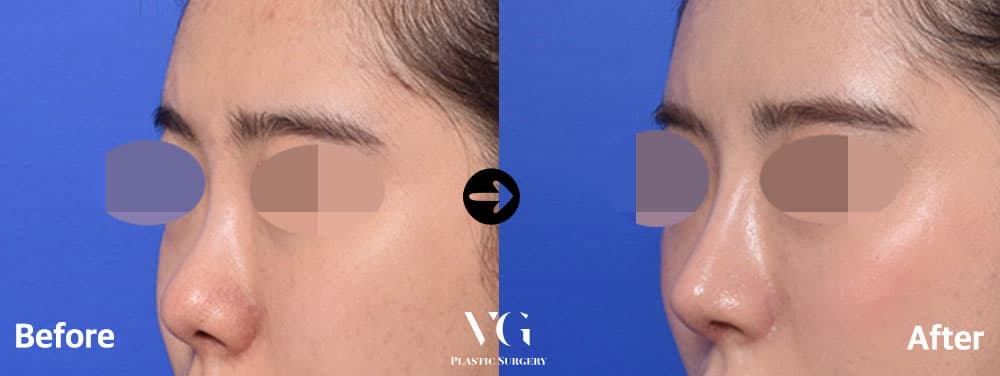
Rhinoplasty3 months after surgery
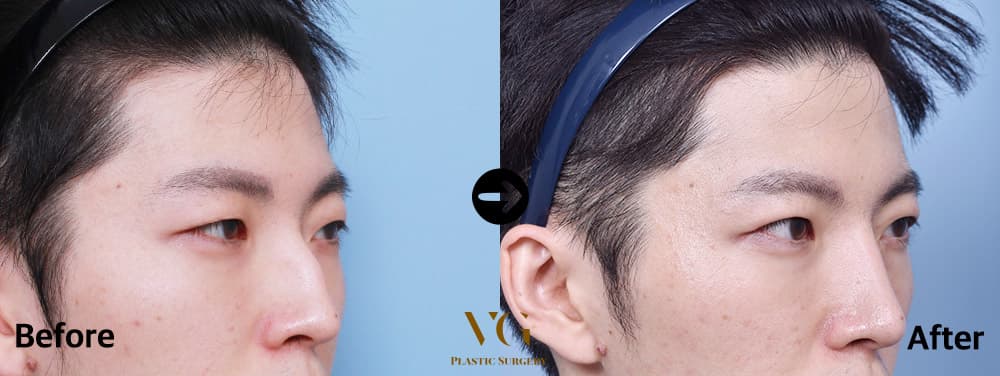
Male Rhinoplasty3 months after surgery
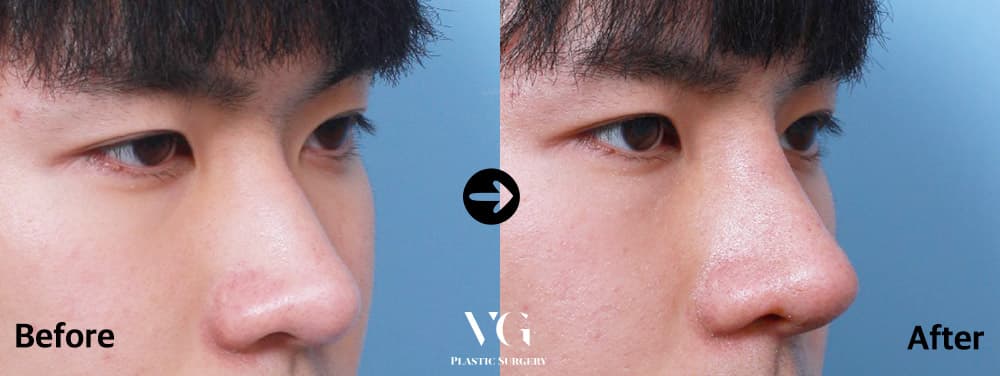
Male Rhinoplasty3 months after surgery
FAQ
Questions patients ask
Do I pay more if my septum needs fixing at the same time?
Septum correction adds to the scope because it is more surgical work. It is done in the same operation with our ENT specialist, so you have one anesthesia and one recovery instead of two. Ask for the septum work to be shown as its own line in your estimate.
Is revision rhinoplasty priced differently from a first operation?
A revision usually involves more work: scar tissue from the first surgery, and often cartilage from the ear or a rib if the septum was already used. If you have notes from your first operation, include them when you ask, since they show what material is left.
Can I get an estimate before booking a flight?
Yes. The photo quote exists for that purpose. Keep in mind that the estimate can be refined after the in-person examination in Seoul, because some things, like septum shape and cartilage strength, only show up when the nose is examined.
Does an implant or my own cartilage change the cost?
Yes. An implant avoids a second donor site, while cartilage from the septum, ear or rib adds harvesting work, and the further the source, the larger the operation. Which material suits your skin and nose is part of the plan, so ask why one is suggested over another.
What isn't part of the surgical fee?
Flights, hotel nights, meals and anyone traveling with you sit outside the surgical fee and grow with the length of your stay. For the medical side, ask which items your written estimate lists, such as anesthesia, medication and follow-up visits in Seoul.
Sources
This article explains general medical information. Whether surgery suits you, and which method, is decided only after a consultation with the surgeon.
Written by
Im Young Min
Chief Director · Plastic Surgery
- Ph.D. in Medicine
- Internship and residency, Seoul St. Mary's Hospital
- Board-certified plastic surgeon, Seoul St. Mary's Hospital
- Adjunct professor of plastic surgery, Seoul St. Mary's Hospital
- Former director, Topface Plastic Surgery
Next step
Send two photos. Get a surgeon’s answer.
Front and side, natural light, no filter. Dr. Im Young Min reviews them and tells you which method fits and how many days to stay in Seoul.
International patients pay the same surgical fee as Korean patients. Pricing policy
Keep reading
Nose
Rhinoplasty Cost in South Korea in Rupees: What Changes It for a Flat Nose or Crooked Septum? Reviews, Methods and Recovery
There's no honest rupee figure for a nose nobody has examined. The cost follows the method, septum work, revision, anesthesia time and days in Seoul; send photos on WhatsApp to ask about yours.
Im Young Min ·
Nose
What Decides the Cost of Rhinoplasty in South Korea? Reviews, Methods and Recovery
There is no single price for a nose job in Korea: the method, the cartilage source, septum work, revision status and anesthesia set the figure for your nose.
Im Young Min ·
Nose
Big Nose Korean Rhinoplasty: Will I Still Breathe Well?
Big nose Korean rhinoplasty means reducing the hump, nasal bones, tip or nostrils. The risks that matter are over-reduction and breathing, and some noses should wait.
Im Young Min ·