Nose
Korean Plastic Surgery: Which Operation, How Long You Stay, What It Costs
A Seoul plastic surgeon who operates on eyes, noses, faces, breasts and bodies explains what Korean plastic surgery usually involves, how each operation is planned, how many days to stay and how the fee is set.
In this article
The short answer
Korean plastic surgery, for most people who fly in, means one of five things: eyelid surgery, rhinoplasty, facial contouring, a facelift or breast and body surgery. Which one fits you depends on what is causing the change you want — skin, cartilage, bone, fat or a layer that has descended — and that is decided at an examination, not from a photo of someone else. Plan to stay in Seoul at least 7 days for eyes, nose or breast, and at least 14 days for contouring or a lift.
- Most requests fall into five groups: eyes, nose, facial contouring, facelift, and breast or body.
- Minimum stays range from 7 days (eyes, breast augmentation, most noses) to 14 days (facial contouring, face and neck lift).
- International patients pay the same surgical fee as Korean patients, set out in one itemised written quote.
- An interpreter sits with you through consultation, surgery-day design and every follow-up visit.
- Follow-up continues for three months after you fly home, by photograph review with written replies from your surgeon.
I am Im Young Min, chief director and board-certified plastic surgeon at VG Plastic Surgery in Seoul. I trained and was board-certified at Seoul St. Mary's Hospital, and I operate across eyes, nose, facial contouring, anti-ageing, breast and body. Many patients writing from abroad start with the broadest question — what is Korean plastic surgery, and what could it do for me — so this is how I answer it in consultation.
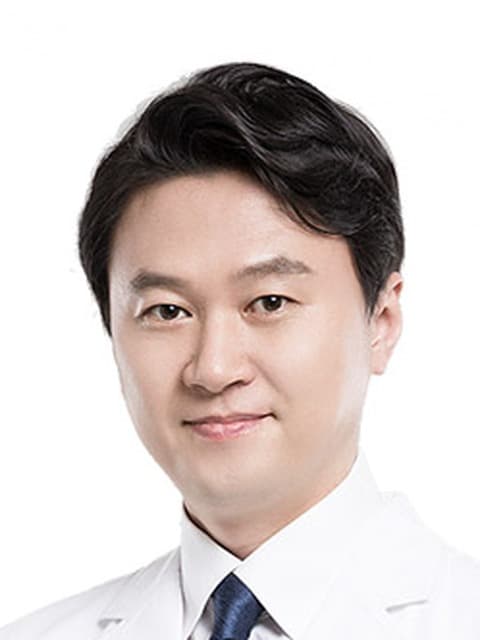
Profile
Im Young Min
Chief Director · Board-certified in Plastic Surgery
What Korean plastic surgery usually covers
People search the phrase as if it were one operation. It is not. It is a set of operations that share a way of planning: small changes, decided after measuring what is actually there, so the face still looks like yours.
The table below uses our own surgical data. Times vary by person, and the stay is a minimum, not a target.
| Surgery | Operation time | Anesthesia | Stitches out | Minimum stay in Korea |
|---|---|---|---|---|
| Eye surgery | 30 minutes – 2 hours | Sedation | 3–7 days after | At least 7 days |
| Rhinoplasty | 1–3 hours | Sedation or general | 5–7 days after | At least 7 or 14 days |
| Facial contouring | 1.5–4 hours | General | 10–14 days after | At least 14 days |
| Facelift | About 2–3 hours | Sedation | One week after | At least 14 days |
| Breast surgery | 1–3 hours | General | 7–10 days after | At least 7 days (augmentation) |
| Body contouring (liposuction) | 1–4 hours | Sedation or general | 7–10 days after | At least 10 days |
For the nose, the 14-day figure applies when bone is cut (osteotomy) or it is a revision; otherwise 7 days is enough. The exact dates are set with you at consultation, because recovery can move them.
Who it suits — and when I tell people to wait
The patients I can help most have a specific, physical complaint. "My double eyelid line keeps fading." "My bridge is low, so my face looks flat from the front." "My cheekbones make my face read as wide." "My jawline has loosened." A complaint like that points to one structure, and one structure can be planned for.
I also say no, or not yet. These are the reasons that come up across every category.
- Facial growth is not yet complete — nose and contouring surgery wait until it is
- Pregnancy, breastfeeding, or an uncontrolled bleeding, thyroid or cardiovascular disorder
- You cannot stop smoking around the operation — grafts, revisions and breast surgery heal notably worse
- A travel schedule too short to stay for stitch removal and the first follow-up in Korea
- You want the exact face from a celebrity photo — a different structure cannot produce the same shape
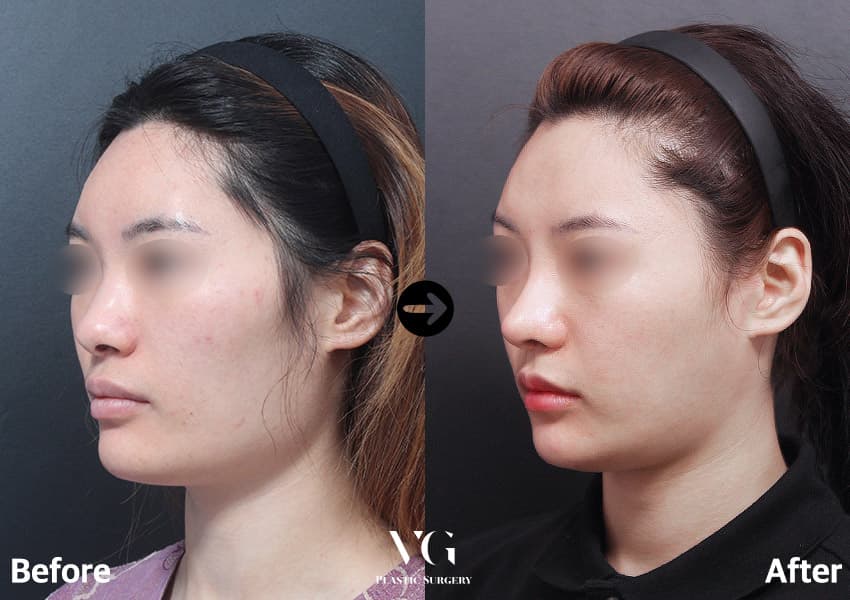
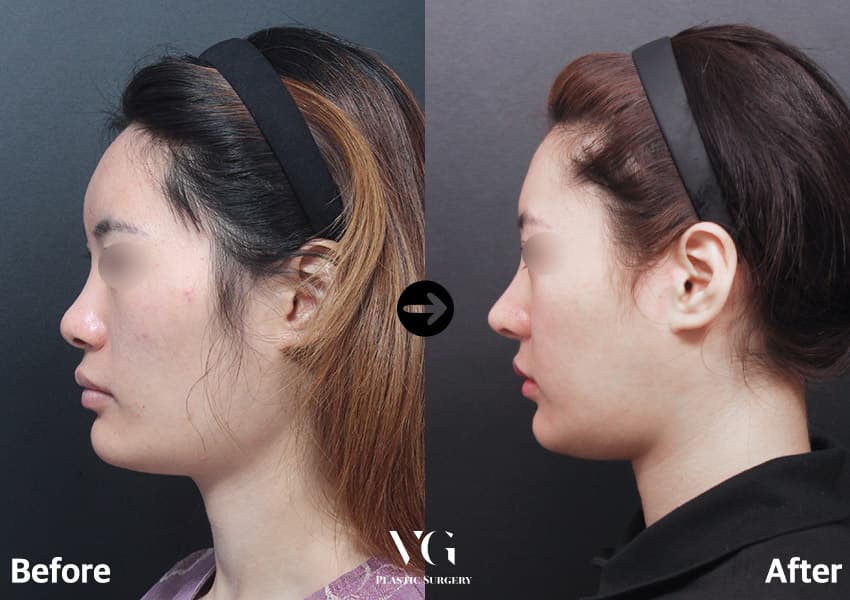
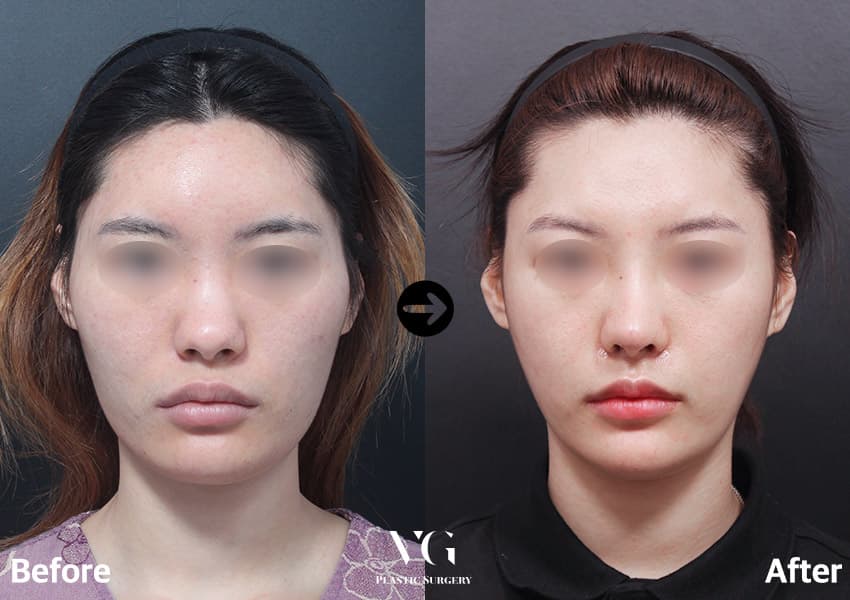
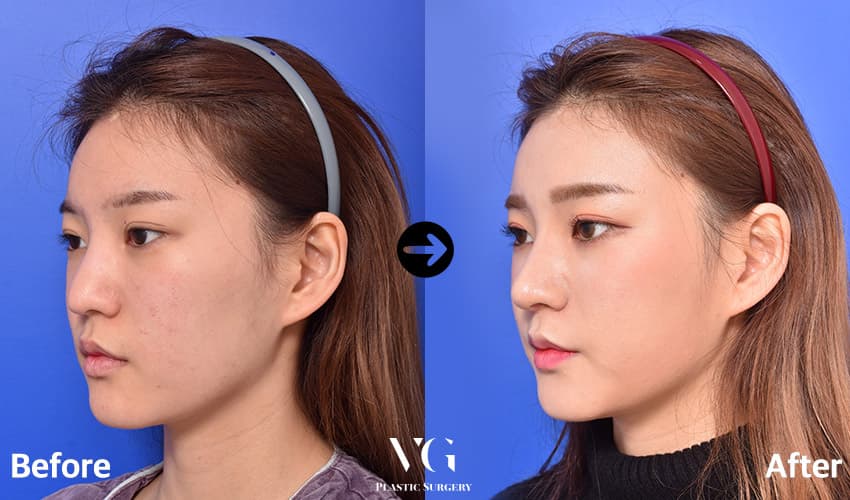
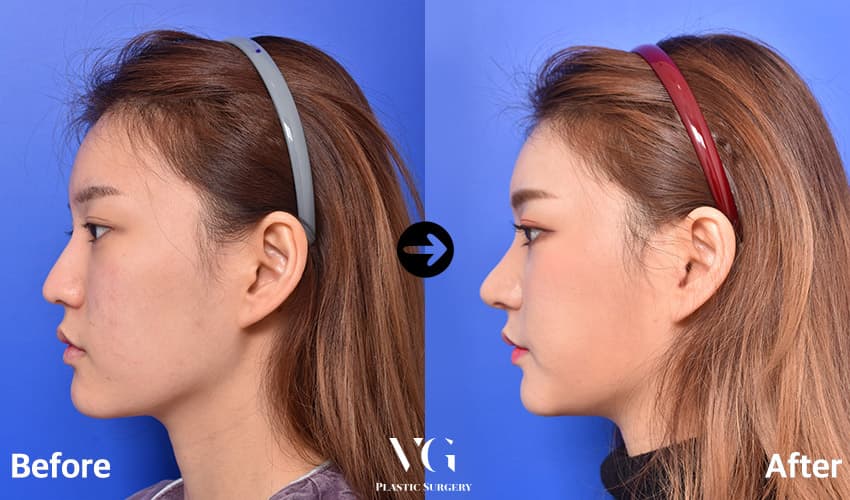
This patient's nose, cheekbones and jaw were treated in one surgical plan, an approach that is common in Seoul plastic surgery when the complaint is the whole shape of the face. You can see this combined nose and contouring case with all its angles.
How each operation is planned — the part photos do not show
What sets careful Korean cosmetic surgery apart is not a style of face. It is what gets measured before anyone draws a line on the skin.
Eyes: three measurements first
The same double eyelid line behaves differently depending on eyelid thickness, how much fat sits under the skin and how strong the lifting muscle is. We measure those three first, then decide whether an incision is needed at all.
Nose: breathing inside the same plan
A board-certified ENT specialist on staff assesses the septum, turbinates and nasal valve before surgery. Shape and airway are planned together, so breathing is not traded for height. The detail is in our guide to the Korean nose job.
Contouring, lifts and breast
For facial contouring we check nerve position and bone thickness on CT and leave untouched what does not need cutting. A facelift lifts and fixes the layer under the skin — the SMAS — rather than pulling the skin alone. Breast surgery starts with an ultrasound examination.
Send a front and a side photo on WhatsApp — I'll tell you which structure is behind what you want to change, and which operation that points to.
Coming to Seoul: your stay, surgery day and follow-up
Plastic surgery in Korea is built around your flight dates. This is the order most stays follow.
- Arrival: pickup where your booking qualifies, and a partner hotel within walking distance — eight of them, from one to five stars
- In-person consultation with an interpreter, then a written, itemised quote before you decide
- Surgery day: arrive 90 minutes before your slot; your surgeon draws the plan on your face and goes through it for 20–30 minutes
- An anesthesiologist stays with you for the whole operation; then 1–2 hours in the recovery room
- First check the next morning, which is not optional, then dressings and stitch removal on schedule
- A final check before you fly, and three months of remote follow-up afterwards
The day-by-day stay planner lays this out against your own dates for each surgery. You leave with your operation record, medical certificate and aftercare instructions in English.
Interpretation is available in nine languages, including English, Japanese, Chinese, Thai, Indonesian and Russian. One coordinator handles your case from the first message to the final check, so you never explain your history twice.
What decides the fee
Patients researching south korea plastic surgery often ask for a price before sending a photo. I cannot give one honest number, because the same operation name can mean a different technique, graft or time under anesthesia for two people.
What I can promise is how the fee is set. International patients pay the same surgical fee as Korean patients — no foreigner surcharge and no agency commission built in. Our pricing policy lists what the written quote covers, including anesthesia, interpretation and the three months of remote follow-up.
What I check first in consultation
Because I operate across five of our eight centres, I can tell you when one operation will do the work you expected from two. My training and memberships, including the American Society for Aesthetic Plastic Surgery, are on my profile page.
Risks, and how we reduce them
Every operation carries risk: swelling that lasts longer than expected, asymmetry while tissue settles, infection, and, with implants, shifting or contracture. Results and recovery vary by individual, and I would rather you hear that from me before surgery than after.
- Anesthesia: board-certified anaesthesiology specialists are on site, and we publish who administers your anaesthesia
- One doctor throughout: the surgeon who consults with you operates and follows you up
- Imaging before surgery: CT for contouring and the nasal airway, ultrasound for the breast
- Sterilisation: instruments and the operating room follow disinfection and sterilisation procedures
- Registration: we are registered by the Mayor of Seoul as a healthcare provider for international patients
More than 7,000 international patients from 53 countries have come to us so far. If you are considering Korean plastic surgery for your nose, the rhinoplasty page sets out each method and our results by concern.
Send photos from the front and side on WhatsApp, and I'll tell you which operation I would plan, whether you need it at all, and how many days to book in Seoul.
Nose before & after — more cases
Real patients from our archive, all photographed 3 months after surgery. Tap a case to compare it full size.
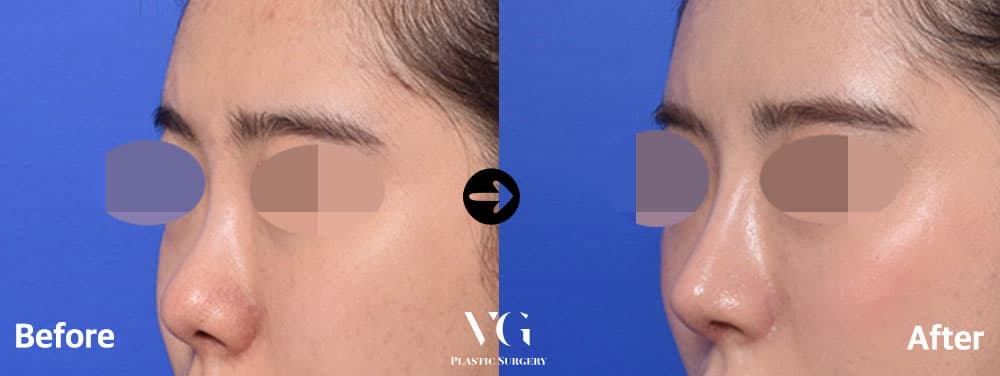
Rhinoplasty3 months after surgery
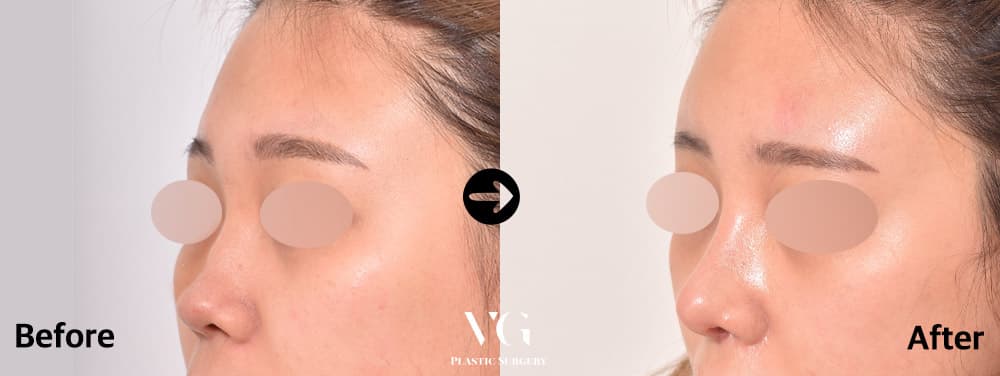
Rhinoplasty3 months after surgery
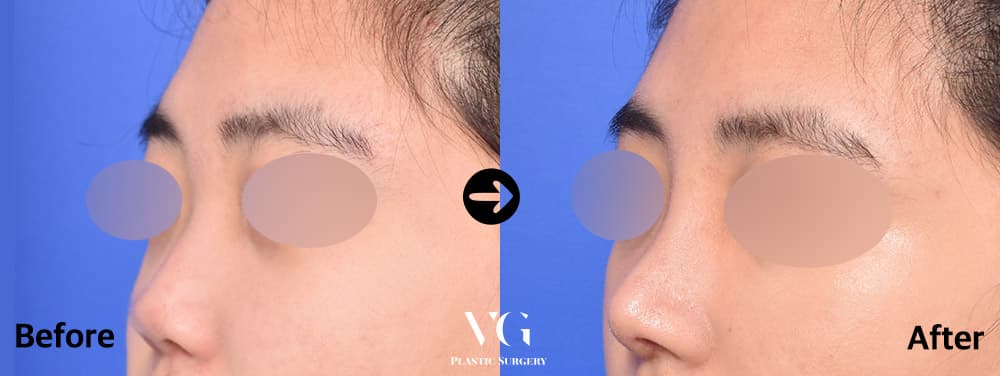
Rhinoplasty3 months after surgery
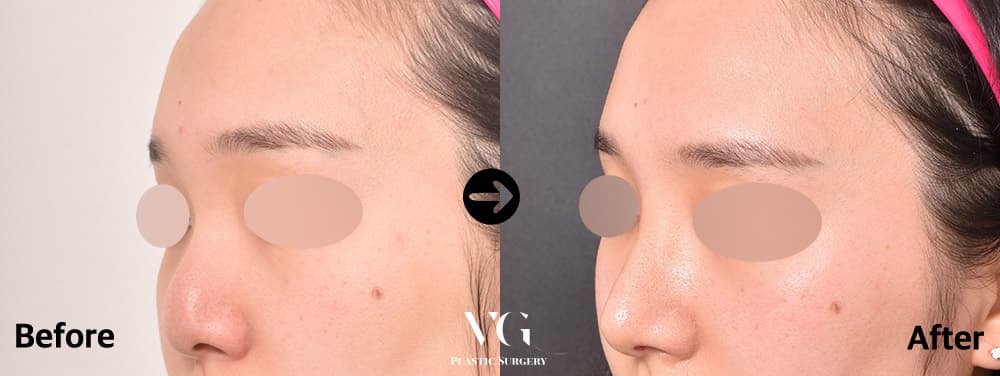
Rhinoplasty3 months after surgery
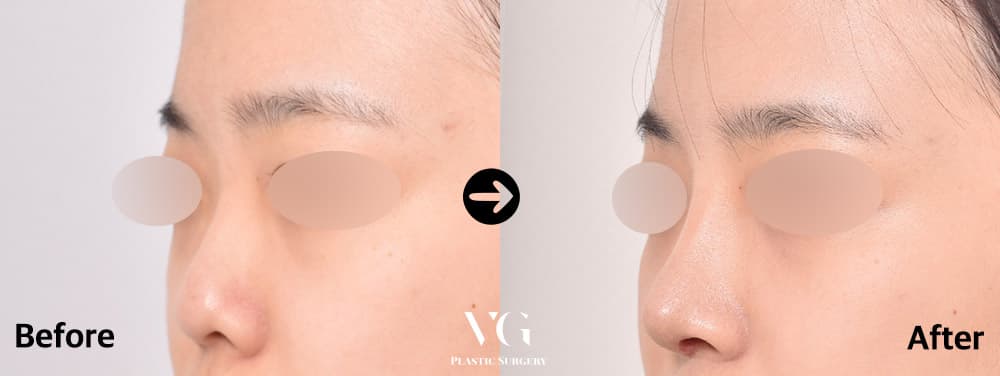
Rhinoplasty3 months after surgery
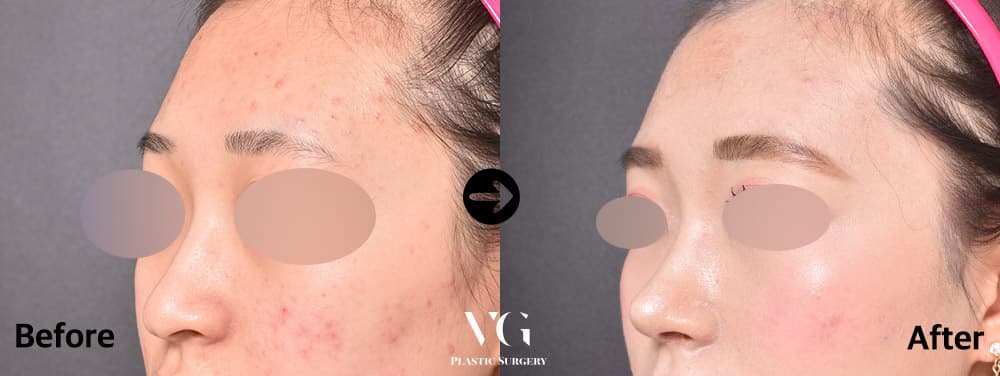
Rhinoplasty3 months after surgery
FAQ
Questions patients ask
Is Korean plastic surgery safe?
No operation is free of risk. What reduces it is on-site board-certified anesthesiologists, an anesthesiologist present for your whole operation, imaging before surgery and the same surgeon from consultation to follow-up. Ask who will operate and who will give the anesthesia before you book.
How much does plastic surgery in Korea cost?
We do not publish a price list, because the figure depends on the technique, any graft material and time under anesthesia. International patients pay the same surgical fee as Korean patients, and you receive an itemised written quote after consultation, before you decide anything.
How long should I stay in Korea after surgery?
At least 7 days for eye surgery, breast augmentation and most rhinoplasty; 14 days for rhinoplasty with osteotomy or revision, facial contouring and face or neck lifts; about 10 days for liposuction. The stay covers stitch removal and a final check before you fly.
Can I have more than one operation in the same trip?
Often, yes — the case above combined rhinoplasty with cheekbone and jaw reduction. Whether it is sensible depends on the operations and your health, and the stay has to cover at least the longer of their minimums. We confirm this at consultation.
Will I be able to communicate with the surgeon?
Yes. An interpreter sits with you in the consultation room, at the design on surgery morning and at every follow-up visit, in nine languages including English. Your written aftercare and operation record are issued in English.
What happens after I fly home?
Follow-up continues for three months by photograph review at set intervals, written replies from your surgeon and a request for more photographs from set angles when the first ones are not enough. It is included in the surgical quote.
This article explains general medical information. Whether surgery suits you, and which method, is decided only after a consultation with the surgeon.
Written by
Im Young Min
Chief Director · Plastic Surgery
- Ph.D. in Medicine
- Internship and residency, Seoul St. Mary's Hospital
- Board-certified plastic surgeon, Seoul St. Mary's Hospital
- Adjunct professor of plastic surgery, Seoul St. Mary's Hospital
- Former director, Topface Plastic Surgery
Next step
Send two photos. Get a surgeon’s answer.
Front and side, natural light, no filter. Dr. Im Young Min reviews them and tells you which method fits and how many days to stay in Seoul.
International patients pay the same surgical fee as Korean patients. Pricing policy
Keep reading
Nose
Rhinoplasty Cost in South Korea in Rupees: What Changes It for a Flat Nose or Crooked Septum? Reviews, Methods and Recovery
There's no honest rupee figure for a nose nobody has examined. The cost follows the method, septum work, revision, anesthesia time and days in Seoul; send photos on WhatsApp to ask about yours.
Im Young Min ·
Nose
What Decides the Cost of Rhinoplasty in South Korea? Reviews, Methods and Recovery
There is no single price for a nose job in Korea: the method, the cartilage source, septum work, revision status and anesthesia set the figure for your nose.
Im Young Min ·
Nose
How Much Does a Nose Job Cost in Korea? Four Cost Drivers, Reviews, Methods and Recovery
A nose job in Korea is priced from four parts: the scope of the change, the building material, any breathing work and the anesthesia. Foreigners pay the same surgical fee as Korean patients, with a written estimate.
Im Young Min ·