Facelift
9D Facelift Korea: Swelling, Stitches and the Flight Home
“9D” is a brand name some Korean clinics give their facelift, not a standard technique. The decisions that shape your trip are which tissue layer is lifted, how long to wait before flying, and who sees you once you're home.
In this article
The short answer
“9D facelift Korea” leads you to a brand name that some clinics give their own version of a facelift, and surgeons don't use it as a standard technique, so the choice underneath it is which tissue layer gets lifted and how many days you spend in Seoul before flying home. If you're planning this from Vancouver or Sydney, the worry under the search is usually plainer: what happens if something feels wrong once I'm back home? Here, three board-certified anesthesiologists work full time, so one of them watches your blood pressure, pulse and breathing from the first injection until you're awake again, and the surgeon does nothing but operate.
- “9D” is a clinic's brand name for a facelift; ask which tissue layer is lifted and where the incision runs.
- The US CDC advises delaying air travel 10 to 14 days after major surgery, so build your flight around healing.
- Line up a doctor at home before you leave and carry copies of your medical records.
- Sudden one-sided swelling, fever, or chest pain or calf swelling after the flight needs prompt medical care.
- Three board-certified anesthesiologists work full time at VG Plastic Surgery, so the surgeon only operates.
I'm Im Young Min, chief director and a board-certified plastic surgeon at VG Plastic Surgery in Gangnam, and facelifts are part of my work here. I tell people plainly whether a facelift suits them, and when it doesn't, I say that too.

Profile
Im Young Min
Chief Director · Board-certified in Plastic Surgery
If the flight home is the part keeping you up at night, send a front and side photo of your face taken in daylight on WhatsApp, along with the dates you could travel and the one question you most want answered.
Send a side photo and your travel dates on WhatsApp
What does the “9D” in 9D facelift Korea actually mean?
Nothing you'll find in a surgical textbook. Numbers like “9D” suggest dimensions or lifting points, but plastic surgeons describe facelifts by the layer they work on: a skin-only lift, a lift of the SMAS (the fibrous layer under the skin and fat), or a deep plane lift that releases tissue beneath that layer. A mini facelift usually means a shorter incision and a smaller area of work.
I don't list a procedure called 9D. The facelifts on my menu are the Crystal lift, the SMAS lift and the mini facelift. Whatever name a lift carries, two questions tell you what it is: which layer is being moved, and where the scar will sit. I've written separately about comparing the layer instead of the name if you're holding several brochures side by side.
Before I think about the direction of the pull, I look at which layer has actually descended. Jowls that come from loose skin and jowls that come from a sagging deeper layer look similar in a selfie and need different operations. There's more on finding the layer that dropped before choosing a lift.
How many days in Seoul before you can fly home?
In short, this is the number that decides your booking, and it comes from healing, not from the brand on the procedure. A full facelift under general anesthesia is the kind of operation I'd hold that guidance against.
The American Society of Plastic Surgeons describes what the first days involve: a bandage may be wrapped around your face to limit swelling and bruising, and small tubes called drains may sit under the skin to draw off blood or fluid. Your surgeon tells you how to care for them and when to come back for follow-up. In general medicine, stitches near the ears are often removed within the first week or so, and bruising tends to fade over the following one to two weeks, though faces heal at their own pace.
The extent of the lift matters. A shorter-incision mini facelift usually involves less tissue than a full SMAS lift, and the differences between the SMAS, mini and Crystal lifts change what your first week looks like. Ask how many nights to book before you buy a return ticket, and buy one you can change.
Your days in Seoul, from consultation to boarding
Picture it from your side. You land at Incheon, rest a night, and come to 635 Nonhyeon-ro in Gangnam for an in-person consultation, where the plan is set on your actual face rather than a photo. If you'd like to see the team and the procedures before you message, they're on VG Plastic Surgery's English home page.
On surgery day an anesthesiologist stays with you through the operation, and you wake with your face wrapped. The first nights are for rest with your head raised, short walks around the hotel room to keep your legs moving, and plenty of water. Sightseeing can wait.
Swelling is often heaviest in the first few days, so plan video calls home rather than dinners out. Your last appointment before the flight is the one that matters most, so leave a spare day between it and the airport.
What if something feels wrong after you're home?
Put simply, this is the question I'd want answered before booking, if it were my own mother flying ten hours each way. The CDC's advice to medical travelers is direct: make sure you can get any follow-up care you need at home, and bring copies of your medical records with you. Do both before you leave, not after something feels off.
In practice that means three things. Find a plastic surgeon or family doctor at home who is willing to see you after surgery abroad, and tell them your dates. Ask for copies of your operative record, the medicines you were given and any instructions you received, in English. Keep them in your carry-on, not your checked bag.
Then know which changes need a doctor quickly. Swelling that grows fast on one side, fever, spreading redness or discharge from an incision all call for a call to your doctor the same day. Chest pain, shortness of breath or a swollen, painful calf in the days after a long flight can mean a blood clot and needs emergency care straight away. Mild tightness, numbness around the ears and patchy bruising are common after a facelift and usually settle over weeks.
Before booking, write down the name of the doctor at home who'd see you, then send your planned flight dates on WhatsApp and ask what you should carry home with you.
Send a side photo and your travel dates on WhatsApp
Risks and side effects to know
Common temporary effects after a facelift are swelling, bruising, tightness and numbness of the skin in front of and behind the ears. These generally ease over the first weeks, while the last of the swelling and the feeling in the skin can take months to settle. Results and recovery differ from one face to the next.
Less common but serious risks listed by the American Society of Plastic Surgeons include a hematoma (a collection of blood under the skin that may need draining), injury to a facial nerve with weakness that is usually temporary, infection, poor wound healing, hair loss along the incision, visible scarring and the risks of anesthesia itself. A small share of people need a second operation to adjust the result.
As general medicine, some people should wait or rethink a facelift: smokers, since nicotine slows healing of the lifted skin; anyone with blood pressure that isn't controlled; people taking blood thinners that can't safely be paused; anyone who expects to lose a lot of weight soon; and people with a heart or lung condition that makes anesthesia riskier. Whether you're a candidate is something only an in-person exam settles.
Do you need the full lift, or less?
Plenty of people who type a lift name into a search box would do well with a smaller operation, and a few don't need one yet. I'd rather do the operation your face needs than the one with the longest name.
If you're weighing this for a parent, bring them into the conversation early. The person on the table should be the one who answers the questions about what bothers them in the mirror.
When you're ready, send one recent photo from the side on WhatsApp together with any medicines you take every day, and ask the question about the trip home that you haven't found answered anywhere else.
Related pages:
Facelift before & after — more cases
Real patients from our archive, all photographed 3 months after surgery. Tap a case to compare it full size.
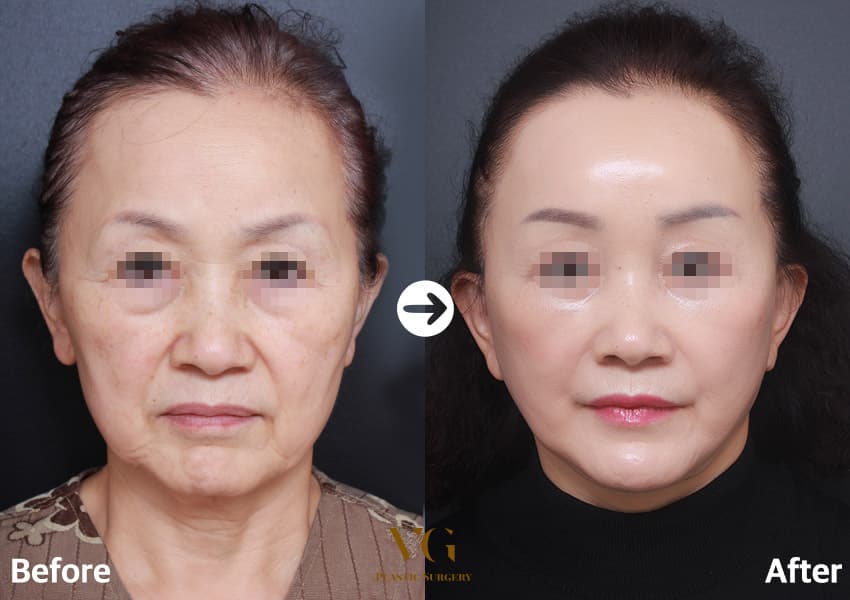
Face Lift3 months after surgery
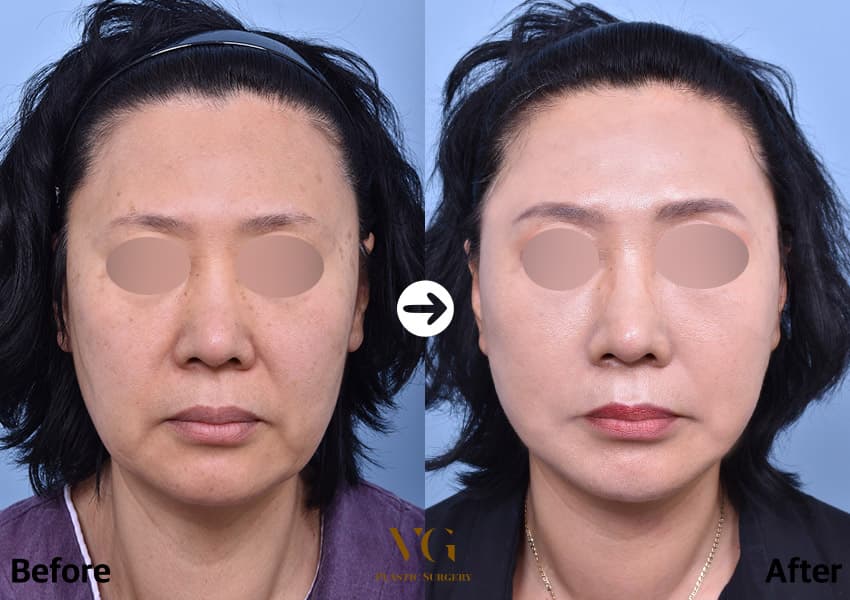
Face Lift3 months after surgery
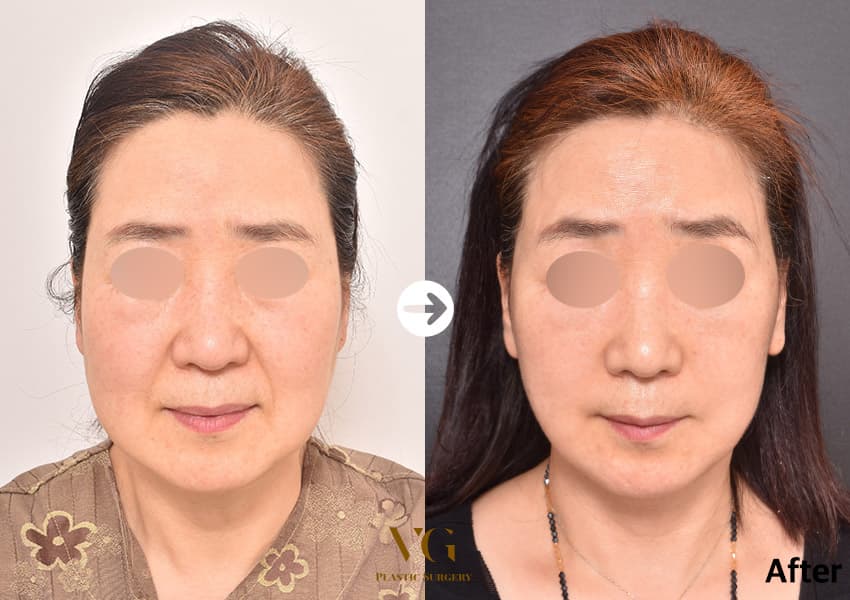
Face Lift3 months after surgery
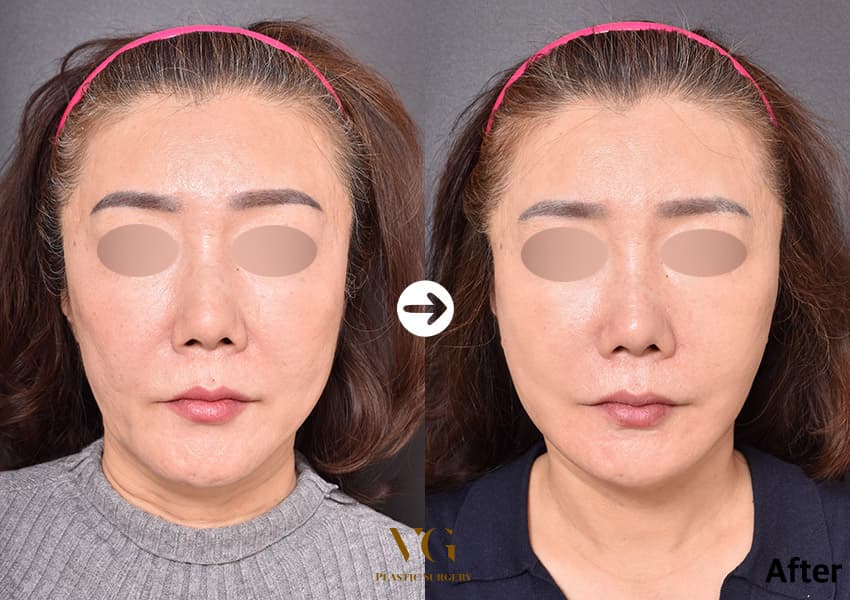
Face Lift3 months after surgery
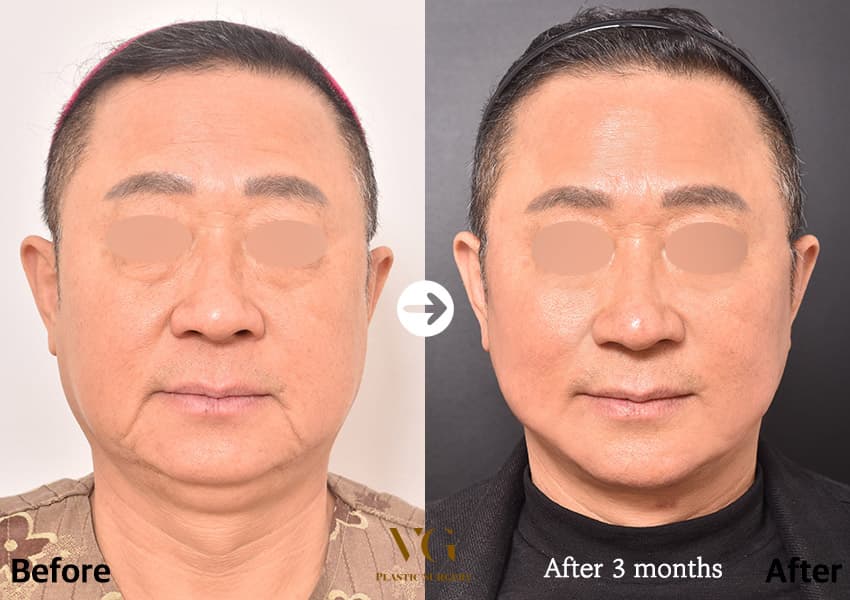
Face Lift3 months after surgery
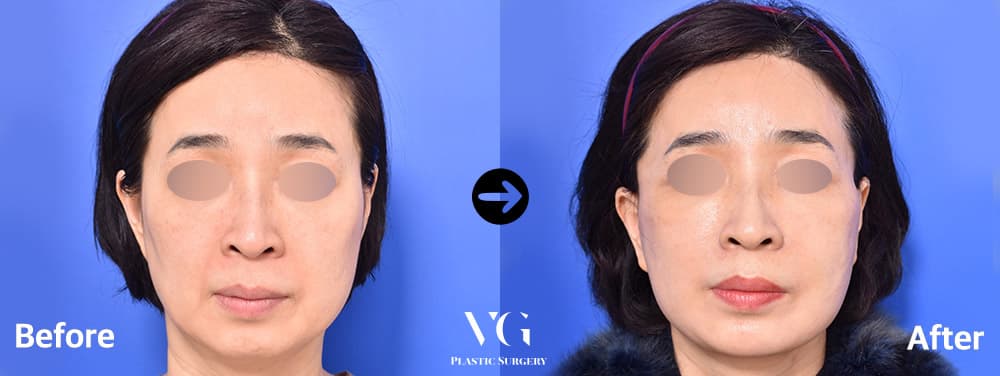
Face Lift3 months after surgery
FAQ
Questions patients ask
Do you offer a procedure called the 9D facelift?
No, I don't list a procedure by that name. The facelifts on my menu are the Crystal lift, the SMAS lift and the mini facelift. Whichever name you've seen, ask which tissue layer is lifted and where the incision runs; those two answers tell you more than the label.
Does a mini facelift let me fly home sooner?
A mini facelift usually involves a shorter incision and less tissue than a full SMAS lift, so the first days are often lighter. Flight timing still depends on how your incisions and swelling are healing, so keep a changeable ticket and confirm the number of nights before you book.
Will I be under general anesthesia?
It depends on how extensive the lift is; smaller lifts are sometimes done under sedation. At VG Plastic Surgery three board-certified anesthesiologists work full time, so one of them monitors your blood pressure, pulse and breathing from the first injection until you're awake.
Is it safe to fly while I still have a bandage or drains?
The US CDC advises delaying air travel 10 to 14 days after major surgery. On the flight, walk the aisle, drink water and avoid alcohol.
Can my doctor at home handle follow-up?
Often yes, if you arrange it before you leave. Ask a plastic surgeon or family doctor at home whether they'll see you, and bring copies of your operative record, medicines and instructions. That way they start from what was actually done rather than guessing.
Sources
This article explains general medical information. Whether surgery suits you, and which method, is decided only after a consultation with the surgeon.
Written by
Im Young Min
Chief Director · Plastic Surgery
- Ph.D. in Medicine
- Internship and residency, Seoul St. Mary's Hospital
- Board-certified plastic surgeon, Seoul St. Mary's Hospital
- Adjunct professor of plastic surgery, Seoul St. Mary's Hospital
- Former director, Topface Plastic Surgery
Next step
Send two photos. Get a surgeon’s answer.
Front and side, natural light, no filter. Dr. Im Young Min reviews them and tells you which method fits and how many days to stay in Seoul.
International patients pay the same surgical fee as Korean patients. Pricing policy
Keep reading
Facelift
Deep Plane Facelift Korea Cost After a Lift That Didn't Last: What Are You Paying For? Reviews, Methods and Recovery
A deep plane facelift's cost follows how far the release goes, the neck, add-on procedures, earlier surgery and anesthesia time. Ask on WhatsApp with photos of your face and neck.
Im Young Min ·
Facelift
Mini Facelift Korea Price: Why Do Two Quotes Differ? Reviews, Methods and Recovery
A mini facelift Korea price moves with how deep the lift goes, whether the neck is included, the anesthesia and your days in Seoul. The word “mini” alone tells you little about the figure.
Im Young Min ·
Facelift
Four Checkpoints Between an endotine forehead lift in Korea and Your Flight Home
For most people travelling from the US, the UK or Australia for an endotine forehead lift in Korea, the hard part is that flight: whether a taped forehead and swollen brows can sit through a long-haul cabin, and who looks at the scalp incisions once you've landed.
Im Young Min ·