Nose
Korean Rhinoplasty Latest: How Long Before You Can Fly Home? Cost, Methods and Recovery
Newer rhinoplasty approaches mostly change how the tip is built and how breathing is planned. Swelling heals on its own clock, so your trip length follows the splint, the first check and a spare day or two.
In this article
- 01Korean rhinoplasty latest: what has changed, and what hasn't
- 02Which method fits your nose?
- 03How does rhinoplasty recovery go, day by day?
- 04How many days should your Seoul trip be?
- 05What decides the cost of rhinoplasty in Korea
- 06Risks and side effects to know
- 07What should your first WhatsApp message say?
The short answer
Hoping the “Korean rhinoplasty latest” techniques mean a shorter recovery, and a shorter trip to Seoul? Newer approaches mostly change how the tip is built and how breathing is planned alongside the shape. They don't change how fast swollen tissue settles, so your trip length is set by your own healing more than by the name of the method.
- Newer rhinoplasty approaches change how the tip is supported and how breathing is planned, not how fast swelling leaves.
- Build your trip around the operation day, the first check with splint removal, and a margin of spare days.
- Combining bridge, tip and septum work usually means more swelling and a longer stay.
- Cost moves with the number of steps, the material, functional work, revision and anaesthesia; the estimate is given in writing.
- The final shape settles over months at home, so judge it long after the flight.
If your break is fixed and the flight isn't booked yet, the day-by-day part of this page is the one that decides your dates.
Profile
Im Young Min
Chief Director · Board-certified in Plastic Surgery
This page walks through what “latest” means in nose surgery today, which methods suit which noses, what moves the cost, and how the first two weeks go, so you can choose between a tight trip and one with a spare day or two.
Hello, I'm Dr. Im Young Min, Chief Director and board-certified plastic surgeon at VG Plastic Surgery in Gangnam, Seoul.
Our nose centre works with a resident ENT specialist, so your airway and septum are assessed together with the shape. Three board-certified anesthesiologists work here full time; they don't operate, and one of them is dedicated to your operation. A medical interpreter for your language is provided at no extra charge, and foreign patients pay the same surgery fee as Korean patients, with a written estimate.
Most people plan the trip around the day the splint comes off, then find that the camera, the airport mirror and their own eyes are judging three different stages of the same swelling.
Plan your dates around the splint and the first check, give the bruising a few more days, and leave the final shape out of the calendar altogether. It settles over months, at home.
If you already have dates in mind, send a front and a side photo of your nose in daylight on WhatsApp, along with your arrival and departure dates, and ask whether that window is long enough for the change you want.
Send nose photos and your travel dates on WhatsApp
Korean rhinoplasty latest: what has changed, and what hasn't
When people ask what's new in Korean rhinoplasty, they often expect a new implant or a new device. Most of the change is quieter than that. A review of Asian rhinoplasty published in Plastic and Reconstructive Surgery Global Open describes a shift away from relying on an implant alone, toward giving the tip its own support with the patient's cartilage, often alongside a bridge implant.
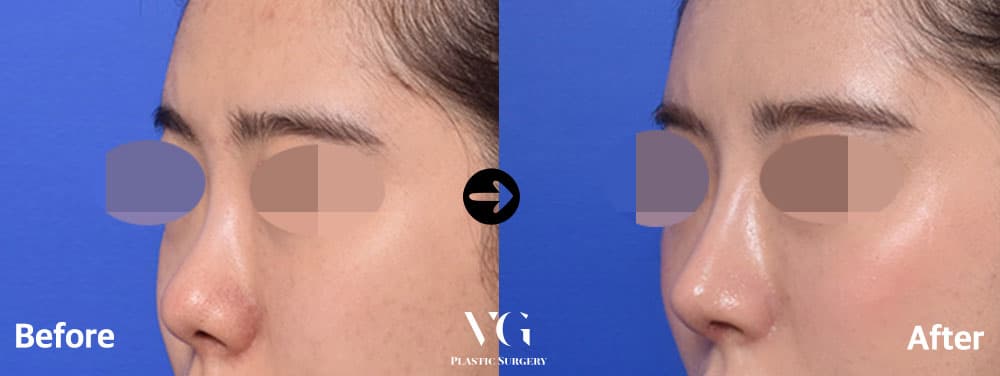
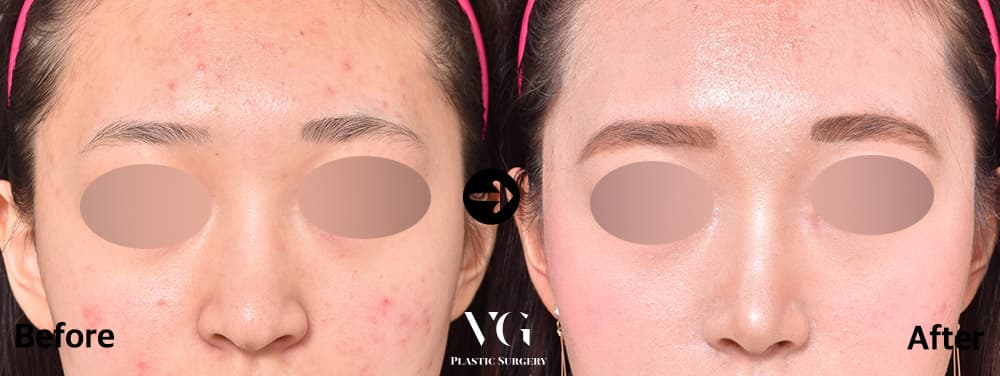
The second change is about breathing. A nose that looks better and breathes worse is a bad trade, and a deviated septum or a narrow nasal valve can be handled in the same plan. That's why rhinoplasty here is reviewed with an ENT specialist.
What hasn't changed is biology. Skin, cartilage and the lining of the nose heal at the speed they always have. Thick skin over a round tip takes longer to shrink down onto a new framework than thin skin does. A technique can make the result more stable; it can't make swelling leave faster.
My position is plain. I recommend the operation your nose needs and leave out the ones it doesn't. A newer method is only useful if it fits the nose in front of me.
Which method fits your nose?
Rhinoplasty is a set of steps chosen for your anatomy. In general terms:
- A low bridge is usually raised with an implant or with your own tissue, such as cartilage or fascia. An implant means a shorter operation; your own tissue avoids foreign material but needs a donor site.
- A round or bulbous tip is reshaped by trimming and repositioning the tip cartilage, often with a small cartilage graft for support. Skin thickness sets the limit, which is why thick skin limits the tip more than the implant for many Asian noses.
- A large or humped nose is reduced rather than built up, and breathing matters even more; the question of whether you'll still breathe well after a big-nose rhinoplasty deserves its own read.
- A deviated septum or poor airflow is examined and treated as part of the same operation, with the ENT specialist.
- A previous rhinoplasty changes the plan, because the starting point is whatever the first surgery left behind.
Men often want a stronger bridge and a tip that isn't turned up, and the timing questions differ; male rhinoplasty in Korea and when to wait covers that.
Every step you add, such as tip work on top of a bridge, or septum work on top of both, adds operating time and usually adds swelling. That feeds straight into the next question: how long you stay.
How does rhinoplasty recovery go, day by day?
The pattern below is the general course described for rhinoplasty. Your surgeon's instructions for your own operation come first.
| When | What you usually notice | What it means for your trip |
|---|---|---|
| Days 1–3 | Swelling and bruising build; the nose feels blocked and you breathe through your mouth | Stay close to your hotel, sleep with your head raised |
| Days 4–7 | Bruising turns yellow; the external splint usually comes off around the end of the first week | The first check and splint removal are the dates not to miss |
| Week 2 | Visible bruising fades for many people; the nose still looks wide and feels stiff | Flying home is usually discussed after that check |
| Weeks 3–6 | Swelling keeps going down; no heavy exercise, no glasses resting on the bridge | You're home; keep your surgery notes within reach |
| Months 3–12 | The tip refines slowly, thick skin slowest | This is when to judge the result |
The American Society of Plastic Surgeons notes that initial swelling goes down within a few weeks, while the nose can take up to a year to fully refine. So the photo you take at the gate is not your result, whatever the “Korean rhinoplasty latest” headline promised.
Flying adds one more thing. Cabin pressure changes can make a freshly operated nose feel fuller and more congested, and a little oozing is common in the first days. That's one reason surgeons prefer you not to board before the first check is done.
How many days should your Seoul trip be?
There isn't one number for every nose. Your trip has to cover three things: the operation day, the first check with splint removal, and enough margin that a delayed flight or extra swelling never pushes you onto a plane early.
Say you have a two-week break, thin skin and a low bridge, and you only want the bridge raised. That's one step, and a trip that covers the splint removal plus a couple of spare days is a reasonable conversation. Now say the same break, but your tip is round, the skin is thick and one side of your nose barely lets air through. That's tip work, a graft and septum work in one operation. I'd want more margin before your flight, and if your break is too short for everything at once, I'd tell you so, and suggest which change could wait.
If work or holidays shape your timing, what to know before you book natural rhinoplasty in Korea goes deeper into swelling and when to schedule.
Once you have a rough idea of the steps involved, two more photos help: your profile with your mouth closed, and a shot from below that shows the nostrils. Send them with your break dates and ask how many days to plan for that combination.
Send nose photos and your travel dates on WhatsApp
What decides the cost of rhinoplasty in Korea
The figure for your nose moves with a handful of things:
- How many steps. Bridge only, tip only, or both, plus any nostril work.
- The material. An implant versus your own cartilage; rib cartilage adds a second surgical site and more operating time.
- Functional work. Septum or nasal valve correction with the ENT specialist.
- Revision. Removing an old implant and working through scar tissue usually takes longer than a first operation.
- Anaesthesia and your days in Seoul. General anaesthesia with a dedicated anesthesiologist is part of the operation; hotel nights and the checks you stay for are part of your own trip budget.
The estimate is given in writing, so you can see which of these steps it includes. You can also look over each procedure on the VG Plastic Surgery home page before you message. Ask what your own combination would cost when you write; the deposit and payment method are settled after the consultation, so put those questions in the same message.
Risks and side effects to know
The common reactions are temporary: swelling, bruising around the eyes, a blocked nose, a numb tip and a dull headache in the first days. Most of these ease over the first weeks, though tip numbness and stiffness can last longer. Less often, there is bleeding, infection, an implant that shifts or shows through thin skin, asymmetry, worse breathing, or the need for revision surgery. The American Society of Plastic Surgeons lists these among the risks of rhinoplasty, along with the risks of anaesthesia.
As general medicine, it's wiser to wait or rethink if you have:
- an active cold, sinus infection or skin infection on the nose
- a recent injury to the nose
- pregnancy or breastfeeding
- blood-thinning medicine or supplements you can't safely pause
- smoking you can't stop around the operation
- a face that is still growing
After you fly home, a fever, pain or redness that gets worse instead of better, a hot swollen area, discharge, or an implant that seems to move all need a doctor promptly. Carry your operation summary and medication list so a local doctor can see what was done. Before surgery, ask what records you'll leave with and how to reach the clinic once you're home. How fast your own swelling fades and how your nose settles varies with your skin, the steps done and how you heal.
What should your first WhatsApp message say?
Keep it short: one front photo, one side photo, your travel dates, and one question about your own situation, such as “Is my break long enough to fix the tip and the breathing together, and how do I reach you if something comes up after I fly home?” A medical interpreter for your language is provided at no extra charge at the clinic, so you don't need to rehearse medical English. In the consultation room, the first things I'll want to understand are how thick the skin over your tip is and whether air passes easily through both sides, because those two answers shape your plan more than any new technique.
Related pages:
Nose before & after — more cases
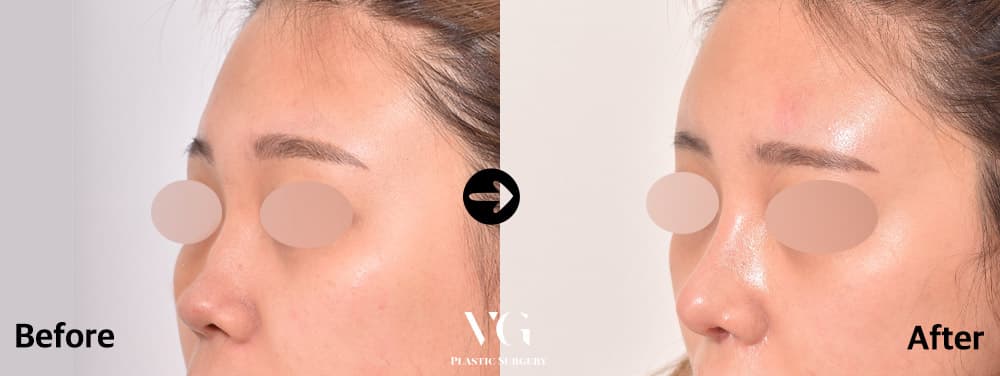
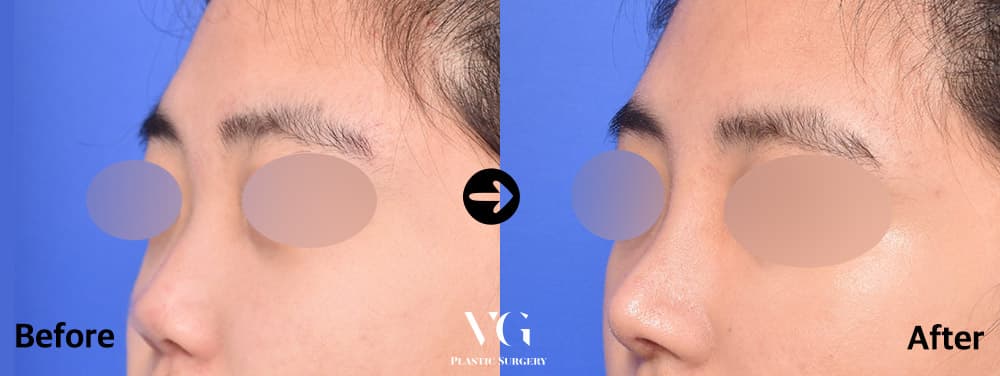
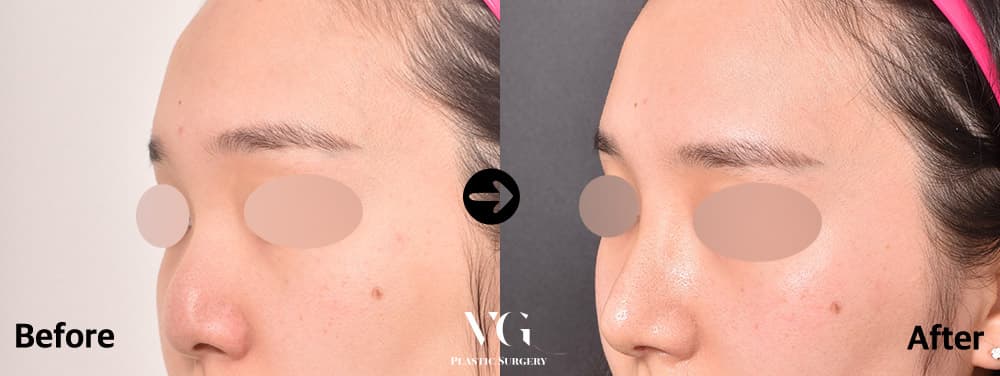
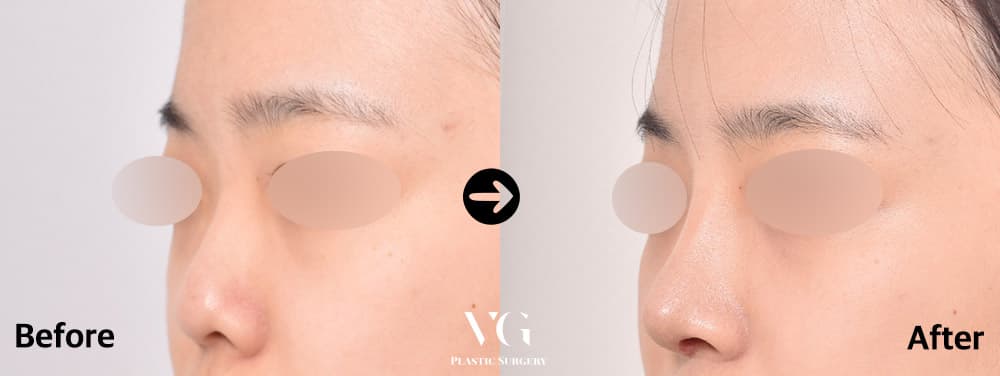
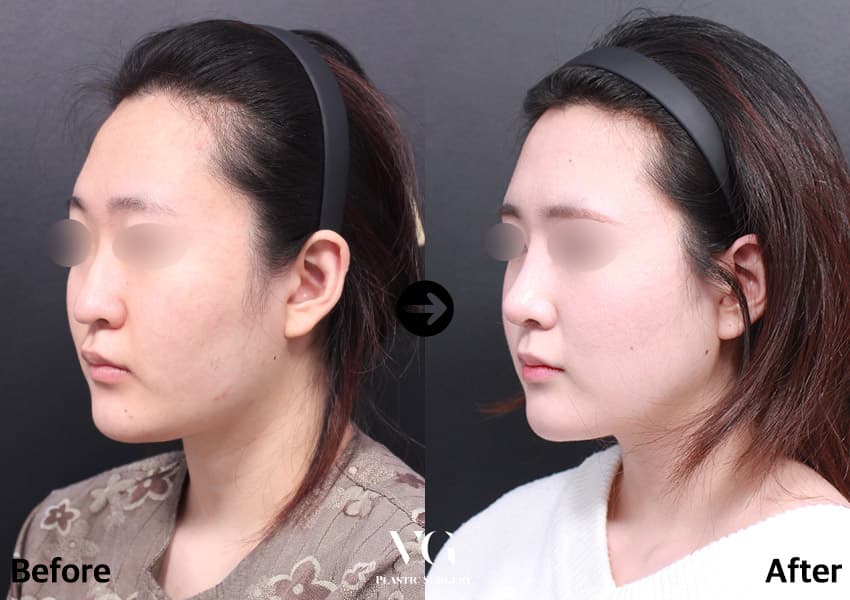
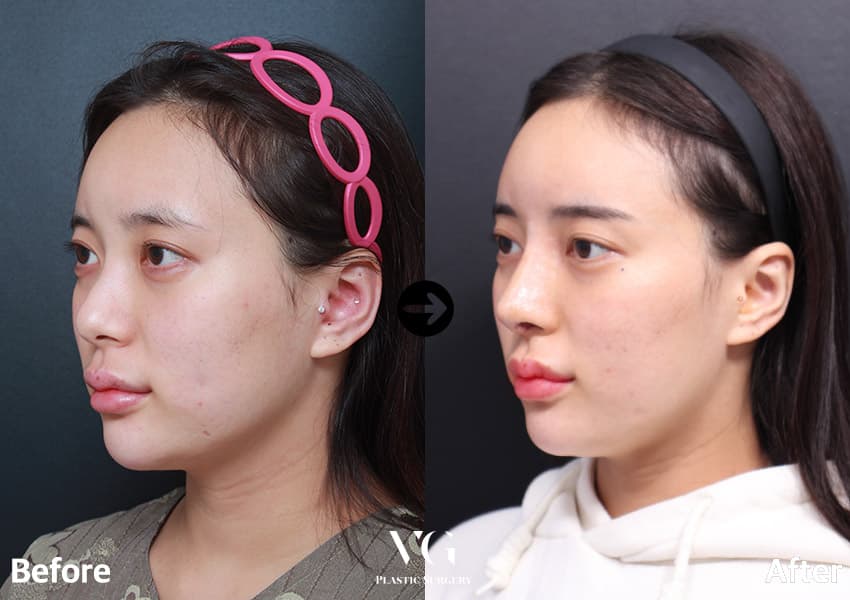
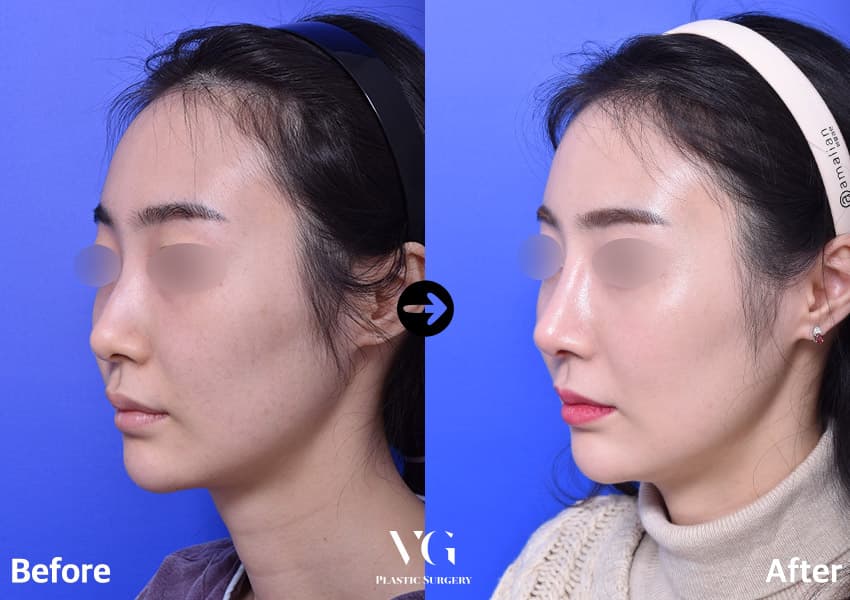
Real patients from our archive, all photographed 3 months after surgery. Tap a case to compare it full size.
Rhinoplasty3 months after surgery
Rhinoplasty3 months after surgery
Rhinoplasty3 months after surgery
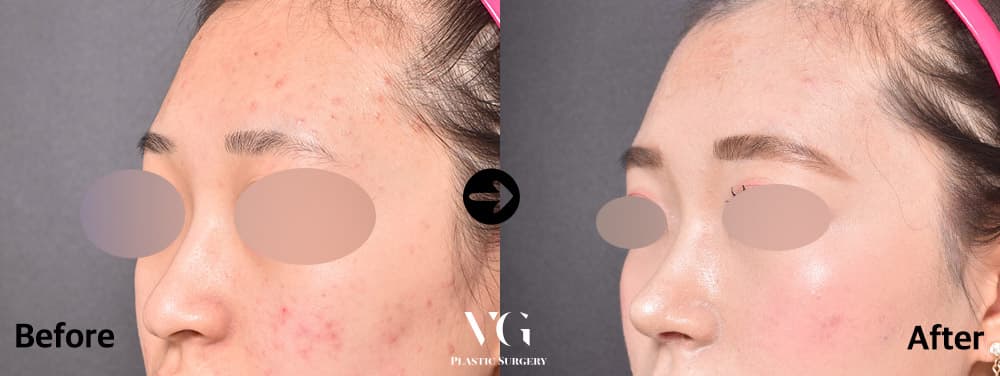
Rhinoplasty3 months after surgery
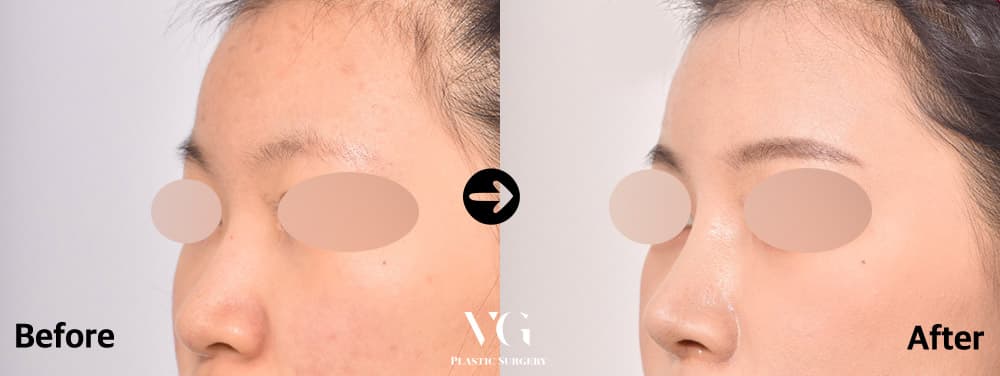
Rhinoplasty3 months after surgery
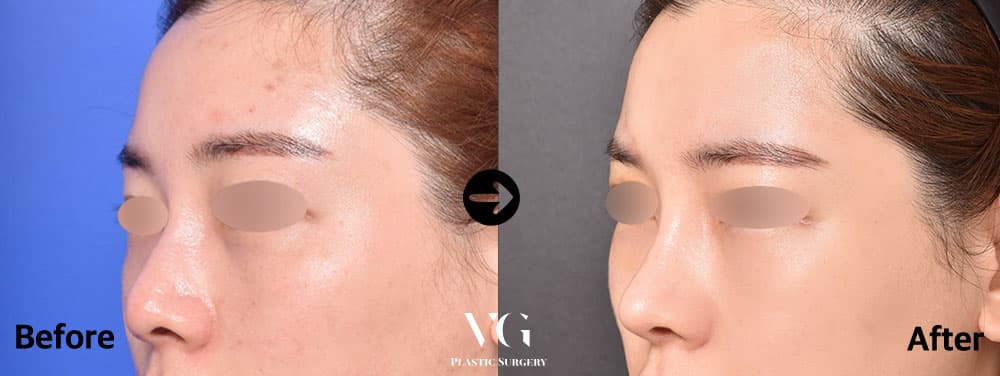
Rhinoplasty3 months after surgery
FAQ
Questions patients ask
Does “Korean rhinoplasty latest” mean a new implant I should ask for by name?
Usually not. Most recent change is in how the tip is supported with your own cartilage and how breathing is planned with the shape. Asking for a technique by name matters less than asking which steps your nose actually needs.
Can I work remotely during the first week?
Many people can manage a laptop from the hotel after the first two or three days, but expect mouth breathing, a blocked nose and poor sleep early on. Avoid scheduling video calls you can't miss in that first stretch.
Can I wear glasses after rhinoplasty?
Glasses resting on the bridge can press on healing tissue, especially after bridge work, so surgeons often ask you to avoid them for several weeks. If you rely on glasses, bring contact lenses if your eyes tolerate them, and ask about this before the operation.
Is it worse to fix the tip and the bridge in two trips?
Two trips mean two recoveries and two sets of flights, while one combined operation means more swelling at once. If your break is short, splitting can be the safer choice. If you can stay longer, combining is often simpler for you.
Do I need to pay a deposit before I fly?
The deposit and payment method are decided after the consultation. Put that question in your WhatsApp message along with your photos and dates.
Sources
This article explains general medical information. Whether surgery suits you, and which method, is decided only after a consultation with the surgeon.
Written by
Im Young Min
Chief Director · Plastic Surgery
- Ph.D. in Medicine
- Internship and residency, Seoul St. Mary's Hospital
- Board-certified plastic surgeon, Seoul St. Mary's Hospital
- Adjunct professor of plastic surgery, Seoul St. Mary's Hospital
- Former director, Topface Plastic Surgery
Next step
Send two photos. Get a surgeon’s answer.
Front and side, natural light, no filter. Dr. Im Young Min reviews them and tells you which method fits and how many days to stay in Seoul.
International patients pay the same surgical fee as Korean patients. Pricing policy
Keep reading
Nose
Rhinoplasty Cost South Korea USD: Will the Quote Hold After the Exam? Reviews, Methods and Recovery
Rhinoplasty in South Korea has no single USD price. The figure follows your plan: tip or bridge work, where the cartilage comes from, septum repair, anaesthesia and how many days you spend in Seoul.
Im Young Min ·
Nose
Rhinoplasty Cost in South Korea in Rupees: What Changes It for a Flat Nose or Crooked Septum? Reviews, Methods and Recovery
There's no honest rupee figure for a nose nobody has examined. The cost follows the method, septum work, revision, anesthesia time and days in Seoul; send photos on WhatsApp to ask about yours.
Im Young Min ·
Nose
What Decides the Cost of Rhinoplasty in South Korea? Reviews, Methods and Recovery
There is no single price for a nose job in Korea: the method, the cartilage source, septum work, revision status and anesthesia set the figure for your nose.
Im Young Min ·