Eyes
Medical Tourism Korea Plastic Surgery: Book the Flight Last
Book the flight last and arrange care at home first.
Send your concern and a front and side photo. Replies in English, no obligation.
In this article
- 01How many days in Seoul does your operation need?
- 02When it's safe to board the long flight home
- 03Who looks after you once you're home?
- 04Blood clots, infection and swelling: what travel adds to the risks
- 05How can you check a Korean clinic before booking?
- 06A trip planned backwards from your return date
The short answer
Planning medical tourism in Korea for plastic surgery comes down to two questions: how many days do you actually need in Seoul, and who checks on you once you're back home? Book the return flight last, and plan the first weeks at home before you book anything else.
- The operation sets your days in Seoul, so book a changeable return flight last.
- Your leaving date follows the first check after surgery: stitches, splint or drains.
- Tell your surgeon your total flight time, because long flights add to clot risk.
- Line up a doctor at home and carry a record of the operation before you fly.
- Ask every clinic about registration, who operates, anesthesia, interpreter and follow-up.
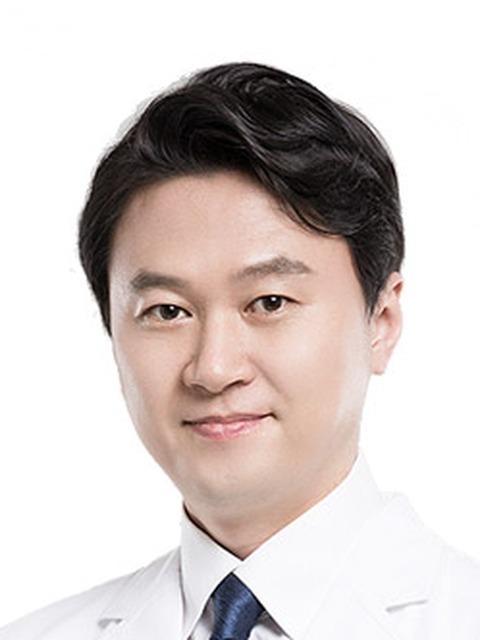
Hello, I'm Dr. Im Young Min, Chief Director and a board-certified plastic surgeon at VG Plastic Surgery in Gangnam. I operate across eyes, nose, breast, body, anti-aging and facial contouring, so I can tell you which items on your list need surgery at all, and which would only add nights to your hotel booking.
Profile
Im Young Min
Chief Director · Board-certified in Plastic Surgery
Two things about how this clinic is staffed matter on a short trip. Three board-certified anesthesiologists work here full time and don't perform cosmetic surgery, so one of them watches your blood pressure, pulse and breathing during the operation while the surgeon only operates. And rhinoplasty is reviewed with an ENT specialist on staff, so breathing is assessed along with shape.
If you already have a rough window of leave, send those dates and one daylight photo of the area you're thinking about to the clinic, and ask how many nights that operation usually needs. That way you're planning flights around your own face and your own calendar.
Send your leave dates and one photo on WhatsApp
How many days in Seoul does your operation need?
The leaving date is rarely set by how you feel. Many people feel ready to walk around Gangnam within a few days. What sets it is the first check after surgery: stitches out, a splint off, a drain removed, a wound looked at by the person who made it. Until that has happened, the surgeon who knows your operation is the right person to see you, and that surgeon is in Seoul.
Facial contouring moves bone, so swelling is heavier and lasts longer, and surgeons often want you close by for more of the early recovery. Breast and body operations can add drains and compression garments, which need checking before a long flight.
| What you're having | What usually has to happen before you fly |
|---|---|
| Eyelid surgery | Stitches out and the wound checked |
| Rhinoplasty | Splint and any internal packing removed, breathing checked |
| Facial contouring | Early swelling settling, drains out if used, first follow-up done |
| Facelift | Stitches and drains dealt with, incision lines checked |
| Breast or body surgery | Drains out if used, compression garment fitted, wounds checked |
| Fat grafting | Both the donor area and the grafted area checked |
If you combine operations, the stay follows the slowest one on the list.
One planning detail people skip: buy a return ticket you can change. A consultation can change the plan. Upper lids that looked like a simple crease case sometimes turn out to need ptosis correction, and if an operation doesn't suit you at all, I'll say so plainly. Changing a ticket is a smaller cost than a rushed decision made to fit a booking. If your leave is a single week, the post on fitting non-incisional double eyelid surgery into one week of leave walks through one of the shorter trips.
When it's safe to board the long flight home
Sitting still for many hours after an operation raises the risk of a blood clot in the leg veins. General anesthesia, a few days of resting more than usual and the dry air on a plane all add to it. The risk is higher if you've had a clot before, take hormonal contraception or hormone therapy, smoke, or had a longer operation. Tell your surgeon how many hours your trip home takes, connections included, and which of these apply to you.
On the plane, the rules are easy to follow: an aisle seat, a walk up the aisle every hour or so, water instead of alcohol, and compression stockings if your surgeon recommends them. After nose surgery, don't blow your nose on the flight, and bring a travel pillow that doesn't press on your face. Facial swelling often looks worse on landing after hours upright in a dry cabin, and it usually eases over the next day or two.
Pack for that flight before you leave home: button-front tops, sunglasses for eyelid or face work, your medication list written with generic names, and a printed note of what was done. Your doctor at home will want to see that note.
Who looks after you once you're home?
When people plan medical tourism Korea plastic surgery, this is the question that most often stops them from booking, and it deserves a straight answer. Once you land, the surgeon who operated is a long flight away, so the follow-up you can actually walk into has to be arranged at home, before you leave.
Ask your GP now, not after surgery, whether they will see you for a wound check or a stitch question after an operation done abroad. Some plastic surgeons at home decline to manage another surgeon's work, so if you'd like one on standby, call ahead and ask. Bring home a record of the operation that names the procedure, any implant or material used, and the medicines you were given. That one document changes how quickly a doctor at home can help you.
Take a photo of the operated area every morning, in the same light, from the day after surgery. A change is much easier to judge against your own pictures than against memory, for you and for any doctor you show them to.
Some signs shouldn't wait for a message: a fever, redness that spreads, swelling that keeps growing on one side, fluid that smells, or a painful swollen calf or sudden shortness of breath after the flight. The last two can mean a clot, and that means the emergency department where you live.
The wider shape of the trip, from the first photo to the departure gate, is laid out in plastic surgery in Korea for foreigners, and our main page for international patients lists each surgical center and its team.
Before you put down any deposit, get the follow-up answer into your own chat history. Send your return date and the city you live in on WhatsApp, and ask what contact and records you'll have once you're home. The reply then sits on your phone, ready to show your doctor there.
Send your leave dates and one photo on WhatsApp
Blood clots, infection and swelling: what travel adds to the risks
Swelling, bruising, tightness and patches of numbness are expected after nearly every operation in the table above. They usually peak in the first few days and settle over weeks; after bone surgery or a facelift, some numbness can take months to fade. Healing differs from person to person, so treat any general timeline as a guide, not a date.
Some people should wait: anyone with an active infection near the area, a blood clot in the past few months, blood pressure or diabetes that isn't controlled, pregnancy or breastfeeding, or a weight that is still changing before body contouring. Smokers are usually asked to stop for several weeks around surgery because smoking slows wound healing. Some supplements and medicines that thin the blood are often paused beforehand, so send your full list early.
Travel changes three things: the clot risk from the flight, the distance from your surgeon, and the temptation to pack sightseeing into recovery days. Infection after you're home is uncommon but possible, and it's usually treated by a local doctor with antibiotics, which is where the operation record pays off.
How can you check a Korean clinic before booking?
Registration is a legal floor, not a quality grade, but it is the first thing to ask about.
Whether you end up with us or at another clinic, put these to every clinic on your shortlist:
- Is the clinic registered to treat international patients, and what malpractice cover does it carry?
- Who examines me, and is that the same surgeon who operates? Can I see their name and board certification?
- Who gives the anesthesia, and does that doctor stay in the operating room the whole time?
- Is an interpreter included, in my language, and at which appointments?
- Will I get a written estimate that lists what's included, and do foreigners pay the same fee as local patients?
- How do I reach the clinic after I fly home, and what records go with me?
On the last two, here is where we stand: foreign patients pay the same surgery fee as Korean patients, and the estimate is given in writing.
If a surgeon at home has already turned you down, a consultation in Korea after a no at home explains what a second look can and can't change. When clinics send you case photos, reading a clinic's case photos covers dates, angles and lighting.
A trip planned backwards from your return date
Say you're 29, teaching in Melbourne, with a two-week school break, and you'd like your upper lids done and possibly your nose. Start from the first morning you have to face a classroom and count backwards. Keep a day at home to sleep off the flight. Before that sits the flight itself, and before that the last check in Seoul, which for a nose usually means the splint is off. Then the operation, and a consultation on or just after the day you land.
Laid out that way, two operations fit only if everything runs to plan and the consultation confirms both. Lids alone leave room for a slow stitch, a swollen morning or a delayed flight. I'd ask which of the two bothers you every day, and start there.
Deposit and payment method are worked out after the consultation, so both can go into your first questions. The rest of the detail for your face, we go through together at the consultation at 635 Nonhyeon-ro, Gangnam-gu, Seoul.
To me, medical tourism Korea plastic surgery makes sense when it fits your life the way surgery at home would: the operation you need, a stay long enough for the first checks, and a plan for the weeks after landing. What decides your number of nights is which check comes last for your operation. None of this has to be settled this month; leave comes round again.
For a first message, one daylight photo of the area and the dates you could travel are enough. Send them on WhatsApp and ask whether that window gives your operation enough nights in Seoul.
— Dr. Im Young Min, Chief Director
Related pages:
Eyes before & after — more cases
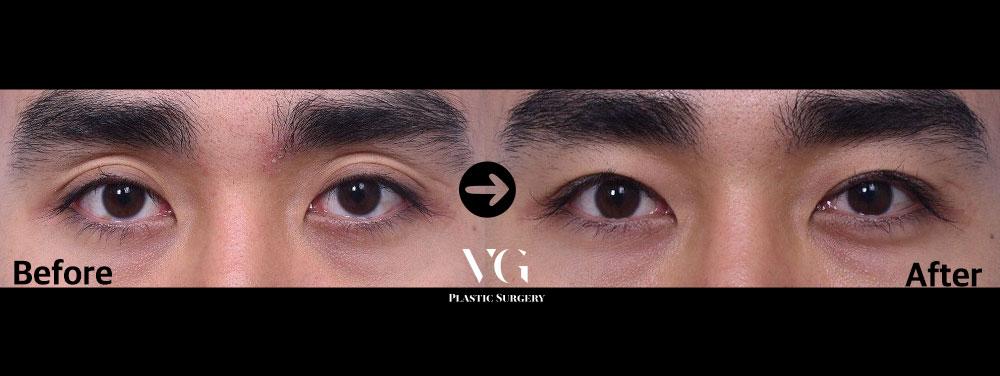
Real patients from our archive, all photographed 3 months after surgery. Tap a case to compare it full size.
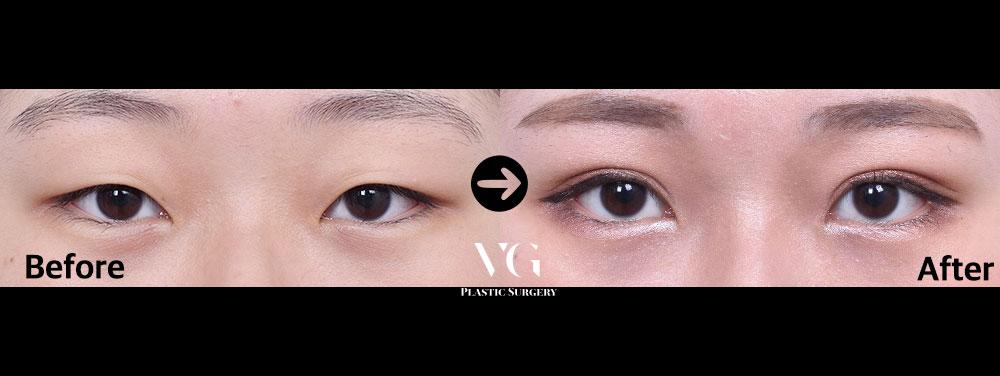
Incisional Ptosis Correction3 months after surgery
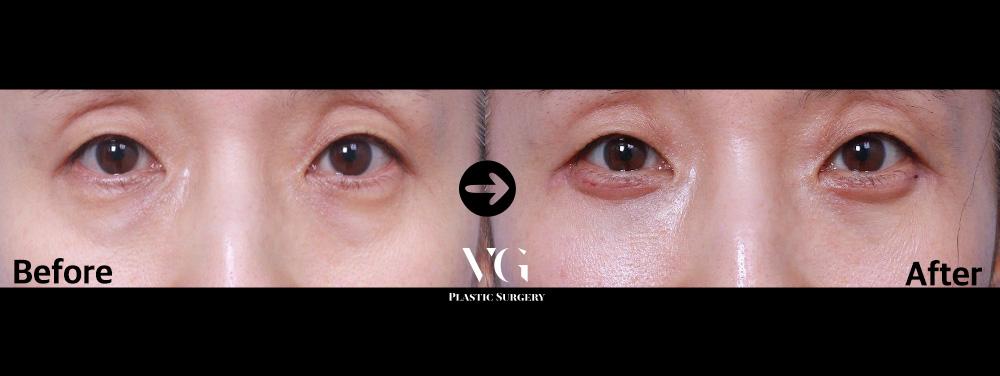
Lower Blepharoplasty3 months after surgery
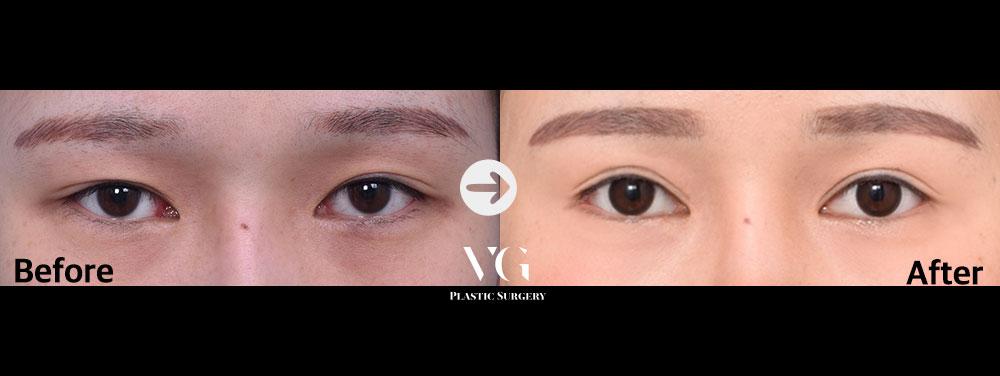
Incisional Double Eyelid3 months after surgery
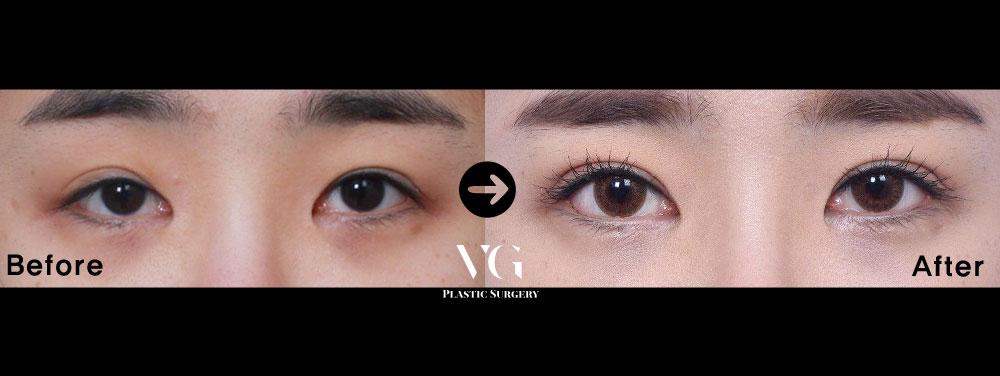
Ptosis Correction3 months after surgery
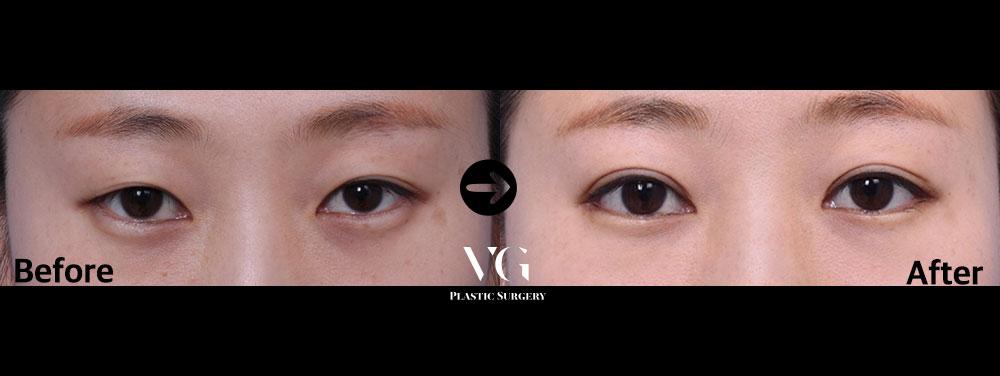
Incisional Double Eyelid3 months after surgery
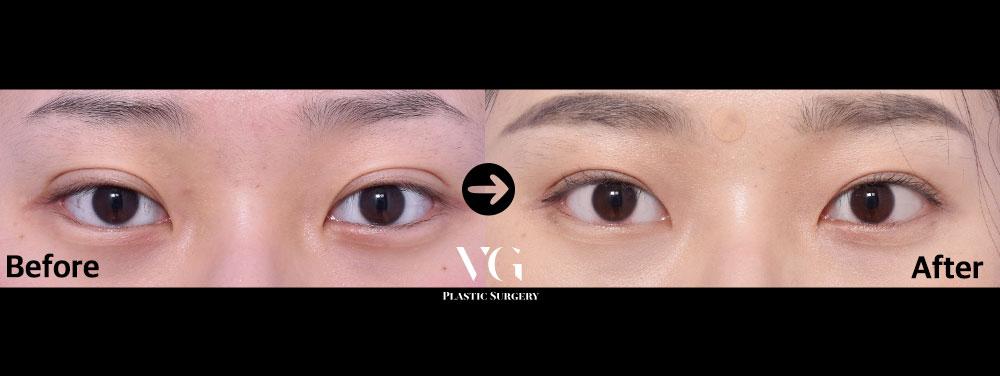
Incisional Ptosis Correction3 months after surgery
FAQ
Questions patients ask
Can I travel to Seoul alone for plastic surgery?
Many people do, but after general anesthesia or sedation you shouldn't spend the first night alone, and surgeons commonly want an adult to take you back to your hotel. If no one can travel with you, ask at booking what is needed for your operation before you buy tickets.
Does the medical interpreter cost extra?
No. A medical interpreter for your language is provided at no extra charge. Write your questions down before the consultation; consent forms and medication instructions are where an interpreter matters most.
Will my travel insurance cover problems after cosmetic surgery?
Often not. Standard travel policies frequently exclude complications from elective cosmetic surgery, so read the exclusions before you go. If you want cover, look for a policy that names surgical complications abroad, and keep its number with your operation record.
How soon can I go back to work after I'm home?
For desk work after facial surgery, many people return once bruising has faded enough that they're comfortable being seen. Physical work and heavy lifting usually wait longer, especially after breast or body surgery. Plan a quiet first day after landing either way.
What if I need a revision later?
Surgeons usually wait several months before considering a revision, because swelling hides the final shape. Ask any clinic, before you book, what its policy is if a revision is needed and whether it would mean another trip.
Sources
This article explains general medical information. Whether surgery suits you, and which method, is decided only after a consultation with the surgeon.
Written by
Im Young Min
Chief Director · Plastic Surgery
- Ph.D. in Medicine
- Internship and residency, Seoul St. Mary's Hospital
- Board-certified plastic surgeon, Seoul St. Mary's Hospital
- Adjunct professor of plastic surgery, Seoul St. Mary's Hospital
- Former director, Topface Plastic Surgery
Next step
Send two photos. Get a surgeon’s answer.
Front and side, natural light, no filter. Dr. Im Young Min reviews them and tells you which method fits and how many days to stay in Seoul.
International patients pay the same surgical fee as Korean patients. Pricing policy
Keep reading
Eyes
Plastic Surgery Consultation Fee Seoul: What the Day Covers
Consultation fees in Seoul differ from clinic to clinic, so ask before you book. What sets your budget is the written surgery estimate from the exam, at the same surgery fee Korean patients pay.
Im Young Min ·
Eyes
What Are Double Eyelids? A Crease, Then a Week of Healing
A double eyelid is an upper lid with a visible fold, formed where the lid-lifting muscle anchors into the skin. Surgery recreates that anchor, and stitches usually come out five to seven days later.
Im Young Min ·
Eyes
Is Double Eyelid Surgery Common in Korea? Yes, Not One Fold
Double eyelid surgery is common in Korea, but common doesn't mean standard. The method still follows your own lid skin, fat and lifting muscle, and that also shapes how many days your trip needs.
Im Young Min ·