Nose
Korea Plastic Surgery Consultation After a No at Home
A no from a surgeon at home usually rests on one tissue fact. The consultation in Seoul is where that fact gets examined on your face, and where you hear plainly whether surgery can work with it.
Send your concern and a front and side photo. Replies in English, no obligation.
In this article
- 01What the first no usually rests on
- 02What gets examined, area by area
- 03What does a Korean plastic surgery consultation look like, step by step?
- 04Who should wait, and what can go wrong after you fly home?
- 05Questions for any clinic's consultation
- 06What risks should you weigh when another surgeon has already said no?
The short answer
A surgeon at home called your nose or eyelids too difficult, so will a Korea plastic surgery consultation just repeat that no after a long-haul flight? Sometimes it will, and a second no from a different surgeon is worth having before you spend anything on surgery.
- A no at home usually rests on one tissue fact, and the consultation examines that fact on your face.
- Bring the first surgeon's reason in writing, plus your medicine list and any operative notes.
- Consultation hours are Monday to Friday 10:00–20:00 and Saturday 10:00–16:00, Korea time.
- Foreign patients pay the same surgery fee as Korean patients, and the estimate is written.
More often the first no rests on one tissue fact, such as thick skin, weak cartilage or a lid with too little lifting strength, and the consultation is where that fact is examined on your face and you hear plainly whether an operation can work with it.
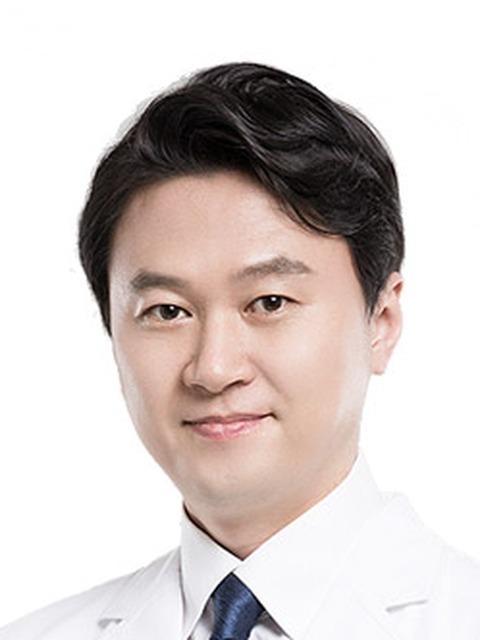
Profile
Im Young Min
Chief Director · Board-certified in Plastic Surgery
Hello, I'm Dr. Im Young Min, Chief Director and a board-certified plastic surgeon at VG Plastic Surgery in Gangnam, Seoul. I operate across eyes, nose, breast, body, anti-aging and facial contouring, and I'll tell you whether surgery suits you, including when it doesn't.
For a second opinion, three things here bear on your worry. Eight specialists work at the clinic full time, among them plastic surgeons, an ENT specialist and anesthesiologists, and the ENT specialist works with the nose team, so a nose that also breathes badly is examined inside as well as out. A medical interpreter for your language is provided at no extra charge. And foreign patients pay the same surgery fee as Korean patients, set out in a written estimate.
If you've already been told no, send two daylight photos of the area on WhatsApp, one from the front and one from the side, together with the reason the first surgeon gave you, in their words if you can remember them. Writing that reason down now also means you'll have it in front of you on consultation day instead of half-remembered.
Send your photos and the reason you were told no on WhatsApp
What the first no usually rests on
A surgeon's no is rarely about you as a person. It's usually about whether one piece of tissue can carry the change you asked for. Think of a carpenter asked to hang a heavy shelf: the answer depends less on the shelf than on what sits behind the plaster.
On a face, what sits behind the plaster is skin thickness, cartilage strength, the muscle that lifts the eyelid, and the path a nerve takes through the jaw. Thick nasal skin drapes over the cartilage like a heavy blanket, so a very narrow, sharply defined tip often won't show through it, however the cartilage underneath is shaped. An eyelid that droops because the lifting muscle is weak needs that muscle addressed; a new crease alone won't open the eye.
The reason matters more to me than the verdict. Two surgeons can agree completely about the tissue and still differ on whether a smaller change is worth doing, or whether the change you asked for should be scaled back. Sometimes my answer ends up close to the first one: this change, on this tissue, isn't worth an operation.
What gets examined, area by area
VG Plastic Surgery's own pages set out what each area is checked for before a plan is made. If you were turned down for one of these, the right-hand column is usually where a second opinion either agrees with the first or parts from it.
| Area | What we check first | Why it can change the answer |
|---|---|---|
| Eyes | Lid thickness, fat and lifting strength, before deciding whether to cut at all | Weak lifting strength can call for ptosis correction, not a crease alone |
| Nose | The bridge and tip, alongside the septum and nasal valve | A deviated septum or narrow valve goes into the same surgical plan |
| Facial contouring | Nerves and bone thickness, mapped on CT | Bone does not grow back, so anything that doesn't need to go stays |
| Breast | An ultrasound before the plan | The implant and the incision are chosen around what it shows |
| Facelift | Which layer has actually descended | The layer, not the name of the lift, sets the direction of the pull |
| Fat grafting | Where volume is missing and where fat can be harvested | What counts is how much of the fat stays, not how much went in |
The ENT specialist on the nose team matters most when your no came with a breathing complaint attached. For lids that may not need an incision at all, I've written about fitting non-incisional double eyelid surgery into one week of leave. Men who want a nose that reads stronger rather than smaller start from different measurements, which I cover in my post on Korean men's plastic surgery.
What does a Korean plastic surgery consultation look like, step by step?
Consultation hours are Monday to Friday 10:00–20:00 and Saturday 10:00–16:00, Korea time. If your flight lands late on a Friday, Saturday is the first day open, and it closes in the afternoon, so ask for that slot when you book rather than after you land.
Before you leave home, put three things in one folder on your phone: the medicines and supplements you take, any operative notes or scans from a previous surgery on the same area, and the reason you were turned down, written as close to the surgeon's words as you can manage. That third item is easy to forget and hard to reconstruct once you're sitting in the chair.
Most of a Korea plastic surgery consultation is spent on the tissue itself. A surgeon will usually look at the area from the front, the side and below, feel the skin and cartilage or the lid, and ask what bothers you most, in your own words, before talking about technique. Then comes the part that matters for you: what the tissue allows, what I'd do, and what I'd leave out. With the range of operations I perform, I recommend only the ones you actually need.
Say you're 38, living in Seattle, and two surgeons told you your nasal skin is too thick for the narrow tip saved on your phone. I'd agree the skin is thick, because that part isn't a matter of opinion. The real question is whether a tip that's more defined than yours, though not as narrow as the photo, is worth surgery to you. If it is, we'd talk about how cartilage support pushes against thick skin and how slowly that kind of tip settles.
If it isn't, you fly home knowing the no was about the tissue.
If you're still working out which operation fits and how long a stay it implies, my overview of Korean plastic surgery operations and stays is the place to start, and the most common plastic surgery in Korea shows which operations people tend to travel for.
What moves the figure in your written estimate
The estimate you leave with is written. What changes it is the operation itself: one area or several, a first surgery or a revision (revisions often need graft material taken from elsewhere), whether breathing work on the septum is planned in, the type of anesthesia, and how many follow-up visits your stay has to fit.
The deposit and the way you pay are settled after the consultation, so when you ask on WhatsApp what your own case would cost, with a photo of the area, ask how the deposit works in the same message.
Who should wait, and what can go wrong after you fly home?
Almost every face operation brings swelling, bruising and some numbness or tightness around the area. Most of it fades over the first weeks, but a nose, particularly one with thick skin, can keep refining for many months. Keep that in mind before you judge a result in a hotel mirror.
In general medicine, these are reasons to wait or rethink: nicotine from smoking or vaping, which slows wound healing; blood thinners or supplements such as fish oil and vitamin E, which should be stopped only on a doctor's advice; diabetes or blood pressure that isn't under control; pregnancy or breastfeeding; a previous surgery on the same area whose tissue hasn't softened yet, since revisions are usually planned many months after the first operation; and a goal that depends on a result the tissue can't give.
How your own tissue heals is individual, and the specifics for your face are confirmed at the consultation.
Redness and swelling: what to watch for
Once you're home, the problems that need a doctor quickly are fever, redness that spreads, swelling on one side that keeps growing, and, after a long flight, calf pain or shortness of breath. Keep your operative notes and medicine list on your phone, find a local doctor before you travel who is willing to see you if something comes up, and ask on WhatsApp how you reach the clinic after you've flown back.
Before you book flights, send your travel dates and the list of medicines and supplements you take on WhatsApp, and ask which of them would need stopping before surgery, and how far ahead. Knowing that early lets the stopping window fit around your dates instead of eating into the trip.
Send your photos and the reason you were told no on WhatsApp
Questions for any clinic's consultation
In short, it doesn't have to be us. Wherever you sit down for a second opinion, these questions show you how a clinic works:
- Is the surgeon in the room the one who will operate, and are their name, specialty and training published?
- Who gives the anesthesia, and do they stay with you from the first injection until you're awake?
- If your nose also breathes badly, is the airway planned into the same operation?
- Is the estimate written, and does it list what's included?
- Is there an interpreter, and does it cost extra?
- How do you reach the clinic after you've flown home, and which records do you leave with?
Our surgeons, their centers and their training are listed by name on the VG Plastic Surgery home page. Three board-certified anesthesiologists work here full time, one dedicated to every operation, and they don't perform cosmetic surgery; they keep watch on your blood pressure, pulse and breathing so the surgeon can concentrate on operating.
What risks should you weigh when another surgeon has already said no?
A consultation is worth a long flight only if it can end in either answer. Being useful to one person matters more to me than seeing as many patients as possible, and you don't have to decide anything on the day itself.
We're at 635 Nonhyeon-ro, Gangnam-gu, Seoul. In the room, what settles it for you is whether the tissue that made the first surgeon hesitate can carry the change you're hoping for. On WhatsApp, send the front and side photos, the dates you could travel and the reason you were turned down, and ask whether that reason is something surgery can work around.
— Dr. Im Young Min, Chief Director
Related pages:
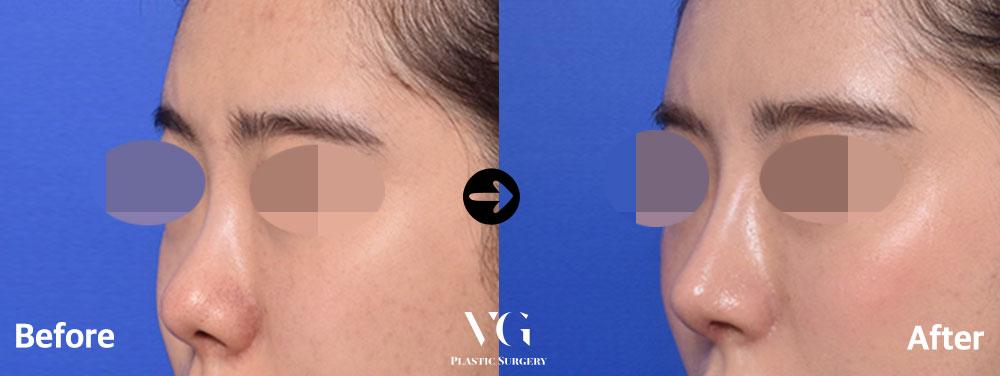
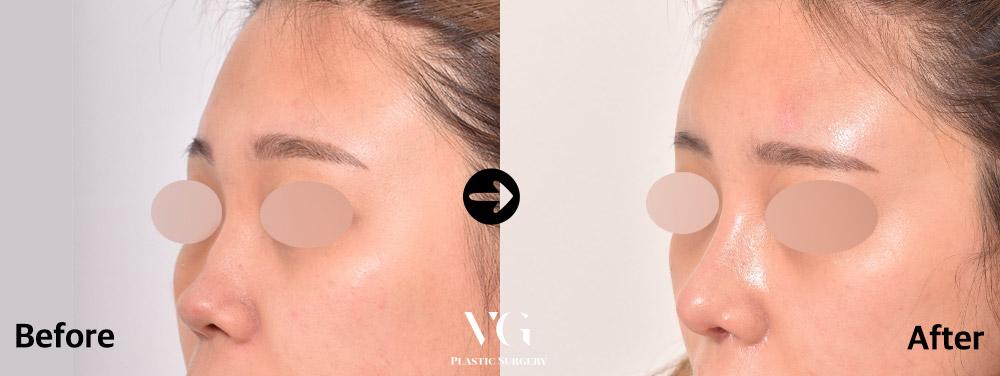
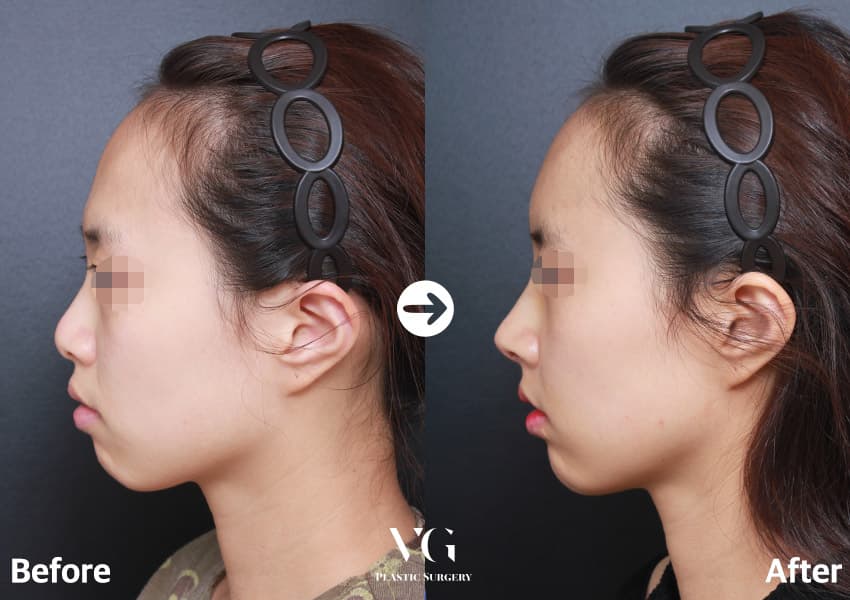
Nose before & after — more cases
Real patients from our archive, all photographed 3 months after surgery. Tap a case to compare it full size.
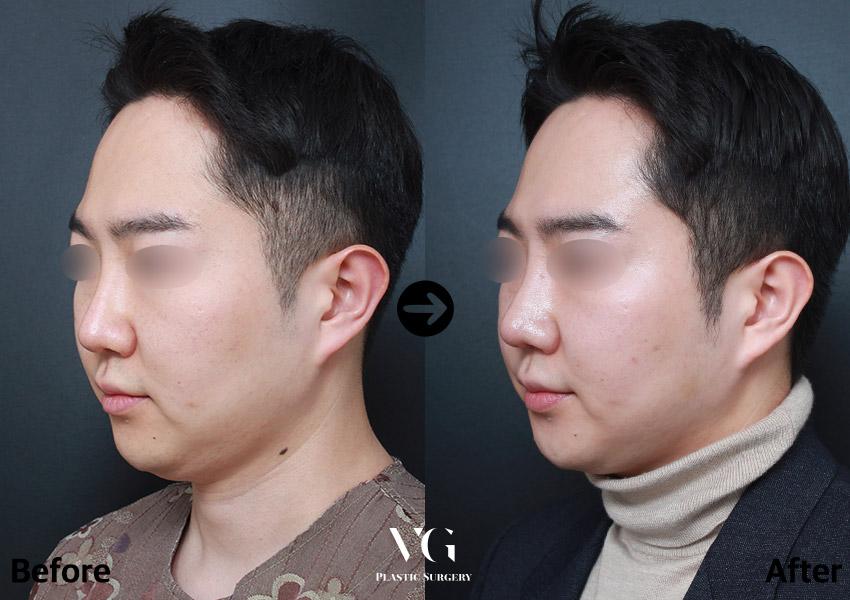
Male Rhinoplasty3 months after surgery
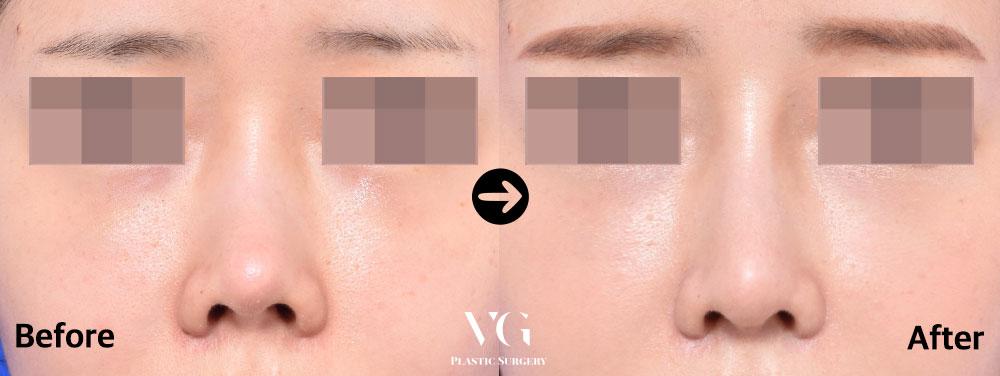
Revision Rhinoplasty3 months after surgery
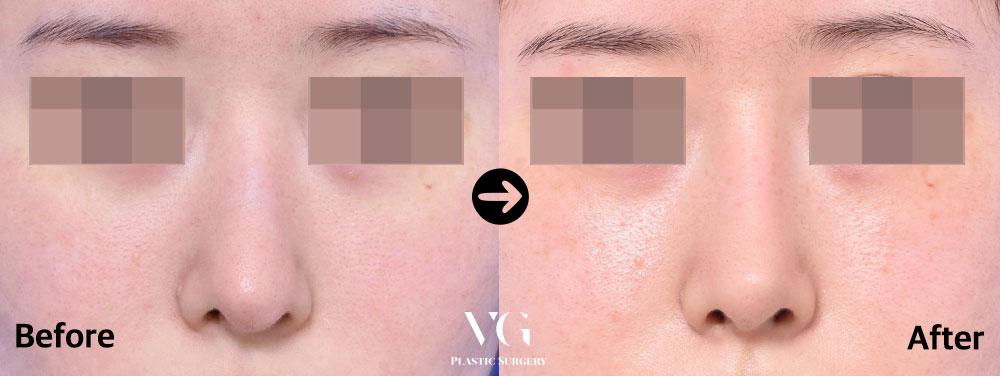
Revision Rhinoplasty3 months after surgery
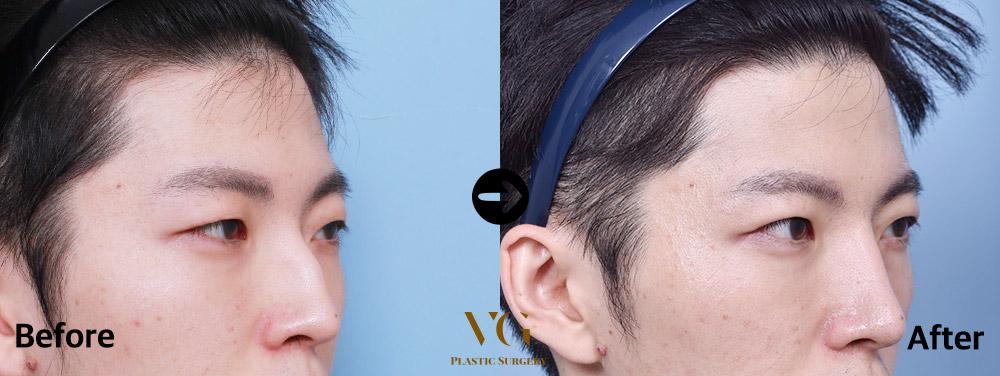
Male Rhinoplasty3 months after surgery
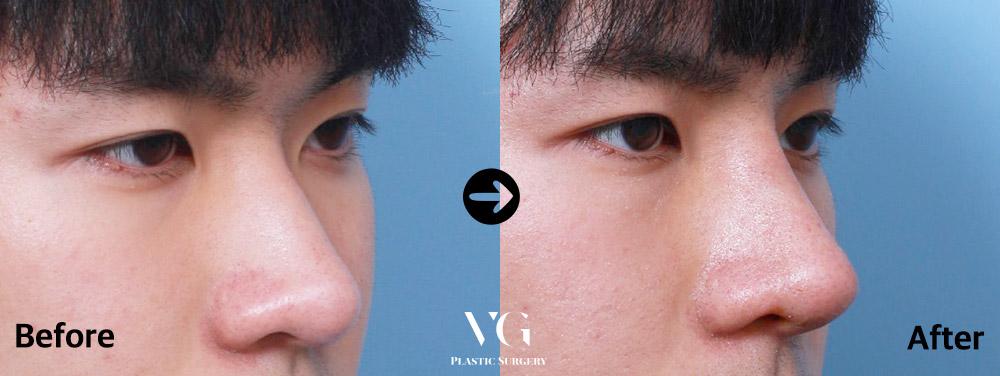
Male Rhinoplasty3 months after surgery
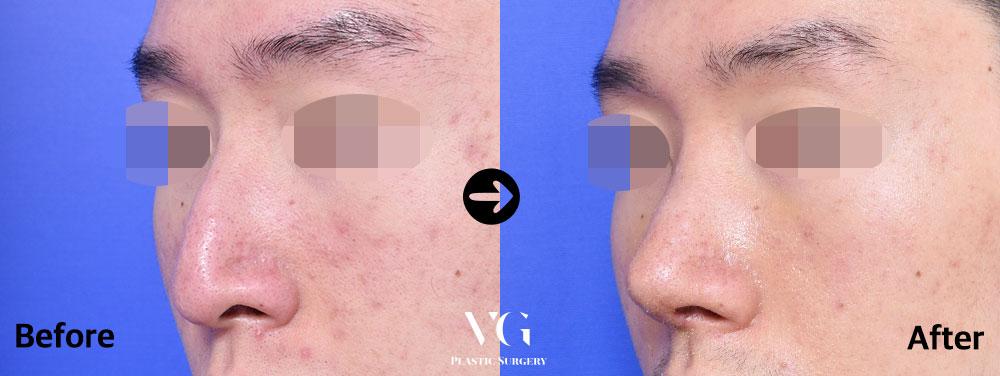
Male Rhinoplasty3 months after surgery
FAQ
Questions patients ask
Should I bring records from my first surgery?
Yes, if you have them. Operative notes say what was removed, added or moved, and an outside examination can't always tell. If you can't get the notes, the name of the material used and the month of the surgery still help a surgeon plan around it.
Can I have the consultation on a Saturday?
Yes. Saturday hours are 10:00–16:00 Korea time, and weekdays run 10:00–20:00. If your flight lands in the afternoon, a weekday evening slot can fit the same day.
What if I'm told no in Seoul as well?
Then two surgeons agree about your tissue, which you didn't know before. Ask what, if anything, would have to change for the answer to be different, and whether a smaller change is realistic for you.
Can a Korean plastic surgery consultation and the surgery happen on the same trip?
It can, if the examination supports surgery and the schedule allows it. Even so, book the consultation and leave the surgery date open until you've heard the plan. Changing a flight is easier than undoing an operation you agreed to while jet-lagged.
Which medicines should I mention at the consultation?
All of them, including supplements. Aspirin and other blood thinners, fish oil, vitamin E and some herbal products raise bleeding risk, and isotretinoin taken for acne can slow healing. Don't stop a prescribed medicine on your own; ask which ones matter and how far ahead.
Sources
This article explains general medical information. Whether surgery suits you, and which method, is decided only after a consultation with the surgeon.
Written by
Im Young Min
Chief Director · Plastic Surgery
- Ph.D. in Medicine
- Internship and residency, Seoul St. Mary's Hospital
- Board-certified plastic surgeon, Seoul St. Mary's Hospital
- Adjunct professor of plastic surgery, Seoul St. Mary's Hospital
- Former director, Topface Plastic Surgery
Next step
Send two photos. Get a surgeon’s answer.
Front and side, natural light, no filter. Dr. Im Young Min reviews them and tells you which method fits and how many days to stay in Seoul.
International patients pay the same surgical fee as Korean patients. Pricing policy
Keep reading
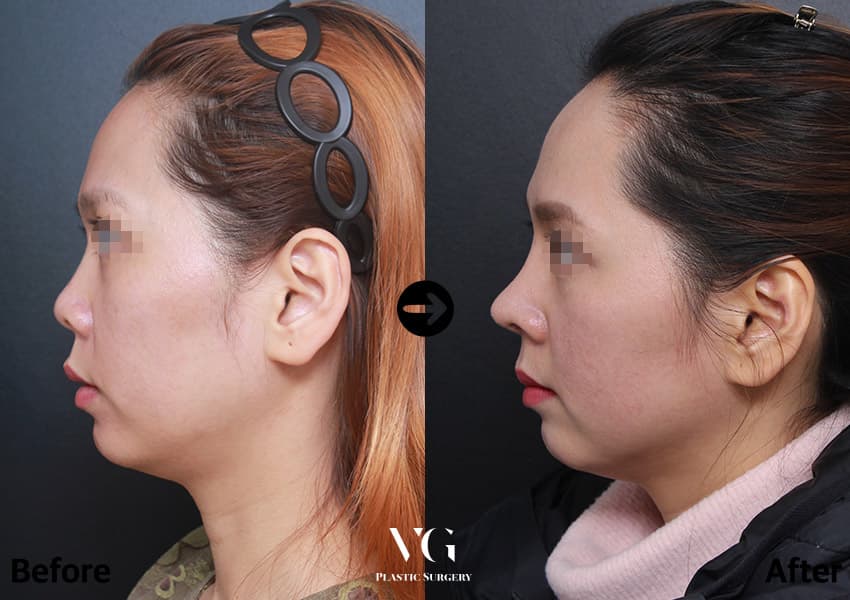
Nose
How Long After Rhinoplasty Can I Workout? Mostly Back Home
Gentle walking is fine within the first days after rhinoplasty, swimming usually waits about three weeks, and strenuous exercise and contact sports wait four to six weeks. Most of that wait happens after you fly home from Seoul.
Im Young Min ·
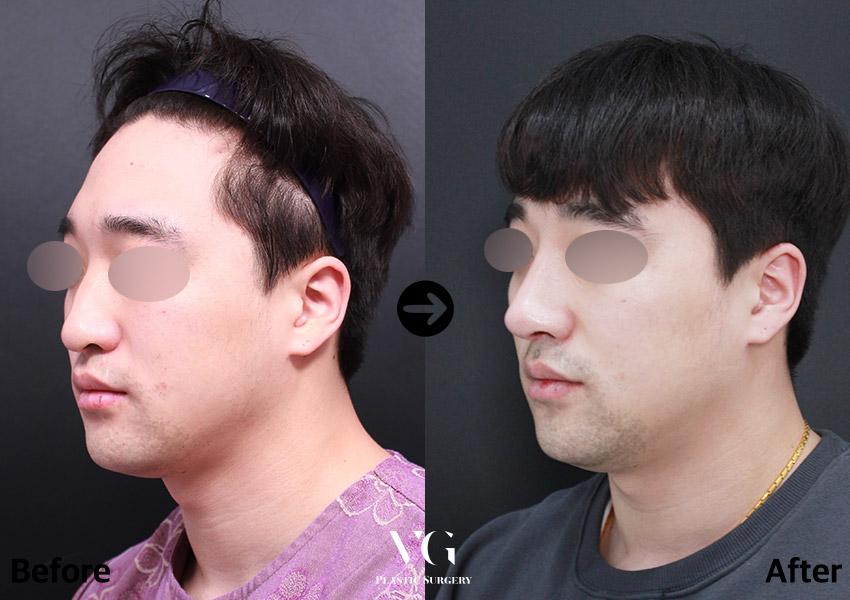
Nose
Rib Cartilage Rhinoplasty Side Effects: What Age Changes
Most side effects of a rib graft show up in the chest first: soreness and a short scar. Warping and stiffness in the nose come later, and age changes how rib cartilage behaves.
Im Young Min ·
Nose
Does Rhinoplasty Last Forever? The Bone Stays, the Skin Ages
Reshaped bone and cartilage don't grow back, so the core change of a rhinoplasty stays. Skin, tip support and any implant keep aging, and the material chosen decides most of what can shift years later.
Im Young Min ·