Nose
Nose Tip Lift in Korea: Stay Until the Splint Comes Off
How many days in Seoul does a nose tip lift really take, and will the tip be all right on the flight home?
Send your concern and a front and side photo. Replies in English, no obligation.
· 8 min read · Last updated
Edited by Im Young Min
In this article
- 01What does a nose tip lift change, and what can't it?
- 02How many days do you need in Seoul?
- 03Who checks your tip once you're home?
- 04Stiffness, over-rotation and breathing: the risks of lifting a tip
- 05Which questions should you put to any clinic before booking flights?
- 06Where I stand on lifting a tip
The short answer
How many days in Seoul does a nose tip lift really take, and will the tip be all right on the flight home?
- Plan at least a week in Seoul; the splint and non-dissolving stitches usually come off around day seven.
- Book the flight home after the splint visit, on a ticket you can move by a day or two.
- Thick skin caps how defined a lifted tip can look; it limits the angle less.
- Leave Korea with your records, a local doctor lined up and a clear way to make contact.
- Ask any clinic who operates, where the tip's support comes from and who checks the airway.
“If the tip looks wrong once I'm home, who do I even show it to?” It's the question that tends to surface right after the flights have been priced. Underneath it sits a quieter thought: once I leave Seoul, I'm on my own with this.
Profile
Im Young Min
Chief Director · Board-certified in Plastic Surgery
Hello, I'm Dr. Im Young Min, Chief Director, board-certified plastic surgeon at VERYGOOD Plastic Surgery in Seoul. I did my internship and residency at Seoul St. Mary's Hospital, and the nose center is one of the five I operate in.
Three facts about how we work bear on a tip lift when you're flying in. An ENT specialist practices alongside our rhinoplasty surgeons, so the septum and airway are examined as part of the operation, and that matters because a lifted tip often leans on cartilage from the septum. Three board-certified anesthesiologists work here full time, and one of them stays with you through the operation without operating. If English isn't your first language, a medical interpreter for your language is provided at no extra charge.
If you're still sketching dates, send one side-profile photo taken in daylight and the arrival and departure dates you have in mind on WhatsApp, and ask whether that window clears the splint visit.
Send a side photo and your dates on WhatsApp
What does a nose tip lift change, and what can't it?
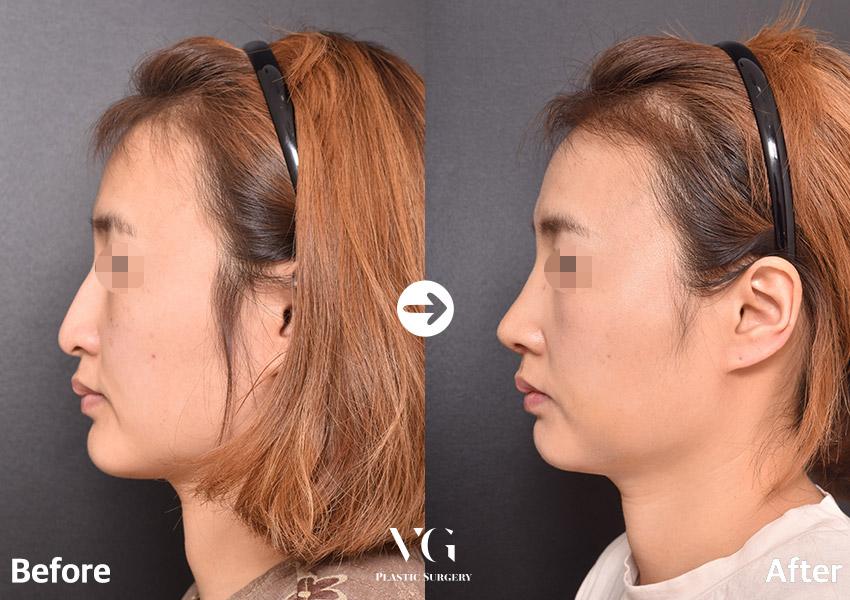
A tip moves in two directions. Rotation is the angle: how far the tip turns up away from the lip. Projection is distance: how far the tip stands out from the face. A drooping tip has usually lost some of both, and lifting it means rebuilding the support underneath, most often with cartilage taken from the septum inside the nose, and from the ear or a rib when the septum doesn't have enough to give.
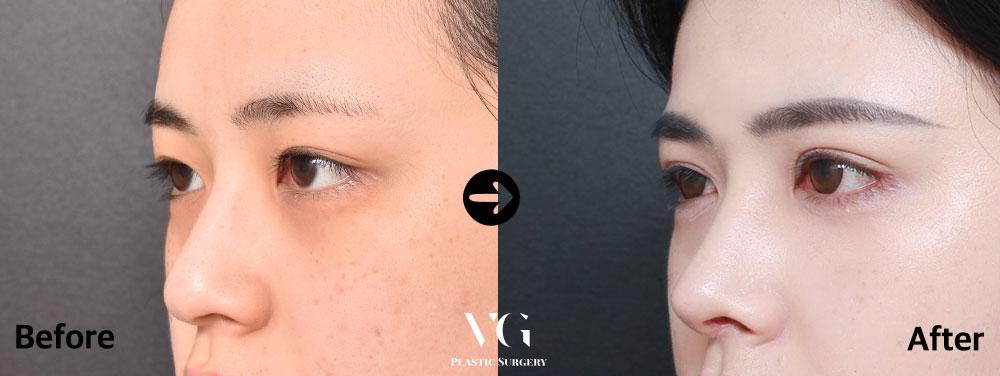
Picture a tent. The fabric rises only as far as the pole beneath it, and how much of the pole's shape shows through depends on how thick the fabric is. Your skin is the fabric. Thin skin shows a new tip shape within months; thick skin drapes over the same support and keeps more of it hidden, often for a year or longer.
Several shapes people look up sit close to a tip lift without being the same operation. A hooked profile is often a hump on the bridge with a tip hanging below it, and lifting only the tip can make the hump look bigger, so the two are usually planned together. A flat nose needs height along the bridge too; a lifted tip on a low bridge can look stuck on. An upturned nose is the opposite problem, and over-lifting is one way people end up with one.
A wide, round tip is a shaping question more than a lifting one, covered in why a tip looks bulbous and what tip plasty can change.
Age and sex shift the plan as well. Tip ligaments loosen over the years, and if the tip has dropped along with the cheeks and jawline, the lower face may be part of the conversation; a facelift is a separate operation with its own recovery, laid out in what sets a SMAS facelift and who it suits. Thicker skin and heavier tissue in men set tighter limits on how far a tip can go, which I've covered in why a man's nose sets tighter limits.
And if your fear is that a lifted tip will stop looking like your own nose, what usually changes and what stays in ethnic rhinoplasty is the place to start.
Say you're 41, living in Brisbane, and your tip has always hung a little low, dipping further when you smile. A surgeon at home told you your skin was too thick for a sharp tip and offered only a small change. Thick skin does cap how defined a tip can look. It caps the angle less, so a modest nose tip lift that changes how your profile reads can still show, while a pinched, pointed tip is the part I'd tell you not to expect.
With twelve days of leave, the timing below fits; with six, I'd suggest waiting for a longer break.
How many days do you need in Seoul?
About a week on the ground is the floor, and it's built around one date: the day the splint and stitches come out. Arriving a day or two before surgery keeps the consultation, any tests and your jet lag from landing on the same morning.
| When | What usually happens | What it means for your trip |
|---|---|---|
| Days 1–3 | Swelling and bruising build; the nose feels blocked and you breathe through your mouth | Stay close to your hotel and sleep with your head raised |
| Week 2 | Most visible bruising has faded | Many people go back to desk work |
| Weeks 4–6 | Strenuous exercise can usually resume | Hold off on contact sports and hard training until then |
| Up to a year | The tip keeps refining as swelling leaves | Judge the final shape late, not at week three |
The flight itself tests the rest of you more than the tip. Cabin air is dry, which makes a healing nose feel more blocked, and swelling can throb during descent. Any operation carries a small risk of a blood clot in a leg vein, and a long flight adds to it, so take an aisle seat, drink water and walk every hour or two. Book a ticket you can move by a day or two; if the splint visit shifts, you won't be stuck paying for a tight schedule.
One habit is worth starting on splint day: take side and front photos by the same window, then again at one, three and six months. Swelling sits in the tip longest and is often worse in the morning through the first year, so a week-three mirror can show a tip that looks higher or fuller than it will end up. Photos taken the same way give you, and any doctor you show them to, something real to compare.
Who checks your tip once you're home?
Most of the change after a nose tip lift happens after you've left Seoul, so the follow-up plan deserves as much thought as the surgery date. Three pieces make it hold.
First, leave with your records: what was done, where the cartilage came from, what kind of stitches were used and which medicines you're taking. A doctor at home can do far more with those than with a description from memory. Second, find a plastic surgeon or ENT near you before you fly out and tell them you're having nose surgery abroad; a doctor who already expects you is easier to reach than a stranger.
Third, before booking, ask on WhatsApp how contact works once you're home and what you should send if something changes, so that answer is part of your plan from the start.
Some signs shouldn't wait for any reply from Seoul: fever, redness or warmth that spreads, sudden swelling on one side, bleeding that won't stop with gentle pressure, or breathing that gets worse over days. Those go to a local doctor or emergency department the same day, with your records in hand.
Once you have rough dates, add the date you must be back at work and the city you'll fly home to, and ask how contact works if you notice something in week three.
Send a side photo and your dates on WhatsApp
Stiffness, over-rotation and breathing: the risks of lifting a tip
The usual effects are temporary. Swelling and bruising fill the first two weeks, the skin over the tip often feels numb for weeks to a few months, and a tip rebuilt with cartilage feels firm, even hard, when pressed, softening slowly over months. A blocked feeling inside the nose is expected early on.
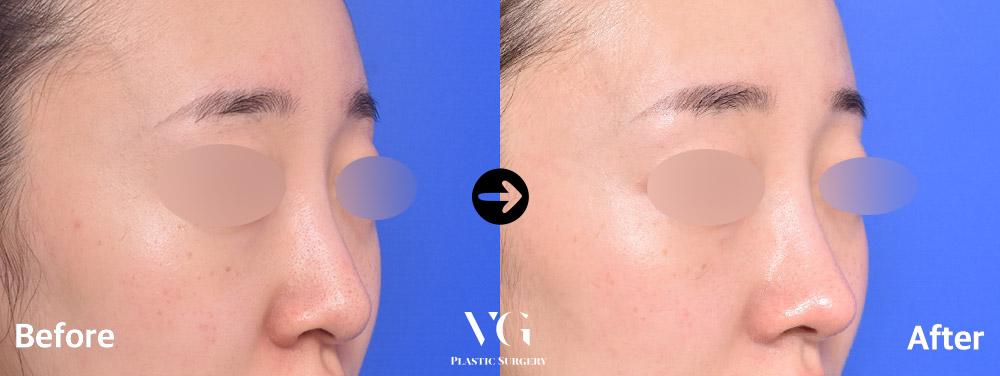
The less common problems are the ones to ask about before you book: a tip lifted too far, showing too much nostril from the front; a tip that settles part of the way back down as the tissue relaxes; slight asymmetry; graft edges showing under thin skin; infection or bleeding. Nose surgery can also occasionally cause lasting breathing difficulty, a changed sense of smell, heavy nosebleeds or damage to the cartilage wall between the nostrils.
Because a nose tip lift so often borrows from that wall, having the airway assessed along with the shape is a practical safeguard, and it's why an ENT specialist working with the rhinoplasty team matters to me.
Who should wait or think again: anyone who had nose surgery within the last year, since the tissue is still settling; anyone with an active sinus infection or a heavy cold that week; pregnancy or breastfeeding; smokers who can't stop for several weeks around surgery; and anyone hoping a tip will copy a photo of someone else's face. Blood-thinning medicines and supplements need to be on the table before surgery, too.
How swollen, how stiff and for how long differs from one nose to the next, mostly with skin thickness and how much support was added. If any of the warning signs above appear at home, a local doctor sees you first, and your records and dated photos go with you.
Which questions should you put to any clinic before booking flights?
In short, it doesn't have to be us. Wherever you have this done, the answers to these questions decide whether your trip plan holds together:
- Is the surgeon you meet at consultation the one who operates?
- Where will the tip's support come from (septum, ear or rib), and what does each mean for stiffness and a second scar?
- Are the septum and airway examined along with the shape, and by whom?
- Is an anesthesiologist with you for the whole operation, separate from the surgeon?
- On which day do the splint and stitches come out, and what records do you take home?
- Is the fee the same as for local patients, and is the estimate in writing?
For what it's worth, foreign patients here pay the same surgery fee as Korean patients and receive a written estimate, and each surgeon, with the centers they work in, is listed by name on our English home page.
Where I stand on lifting a tip
I see surgery here as one way people look after themselves, and a nose tip lift only serves that if the months afterward are planned as carefully as the operation day. With the range of operations I do, I recommend the ones you actually need and leave out the rest. The dates can wait until you've seen how your leave and the splint day line up.
One side-profile photo in daylight is enough to start, and you can ask before booking anything. Send it on WhatsApp with one question about your own nose: how far could my tip go with the skin I have? If you're close to booking, ask in the same message how the deposit and payment method are arranged, since that's settled after the consultation. What decides your plan in Seoul is the thickness of the skin over your tip and how much cartilage your septum can spare.
VERYGOOD Plastic Surgery is at 635 Nonhyeon-ro, Gangnam-gu, Seoul.
— Dr. Im Young Min, Chief Director, board-certified plastic surgeon
Related pages:
Nose before & after — more cases
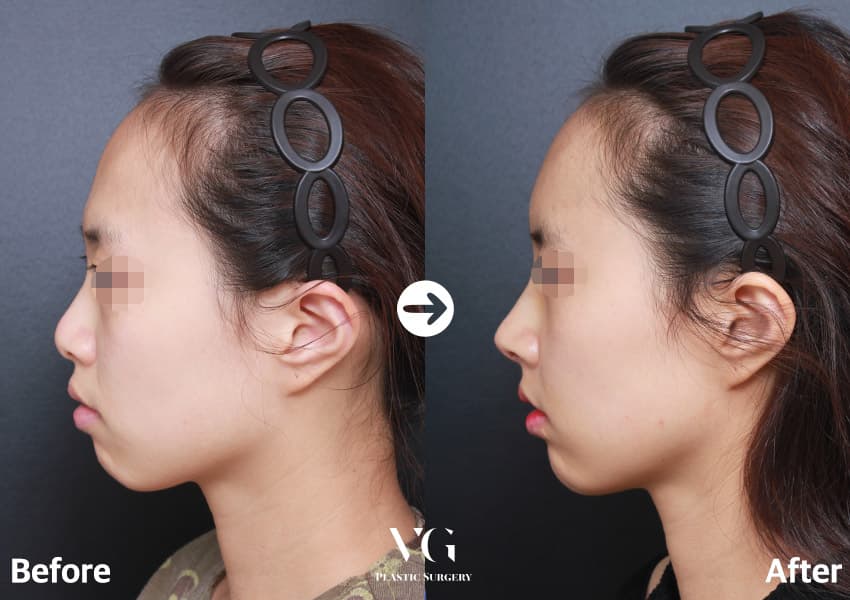
Real patients from our archive, all photographed 3 months after surgery. Tap a case to compare it full size.
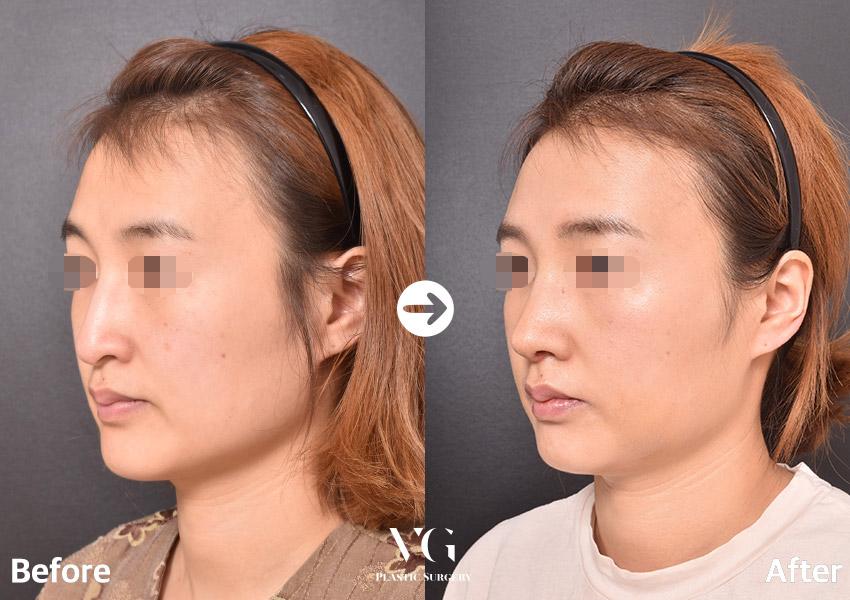
Tip Plasty3 months after surgery
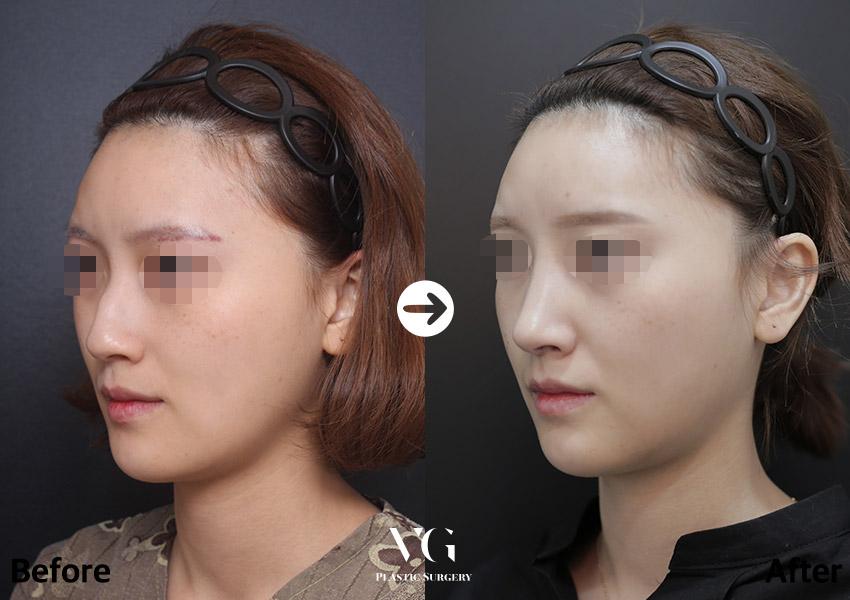
Tip Plasty3 months after surgery
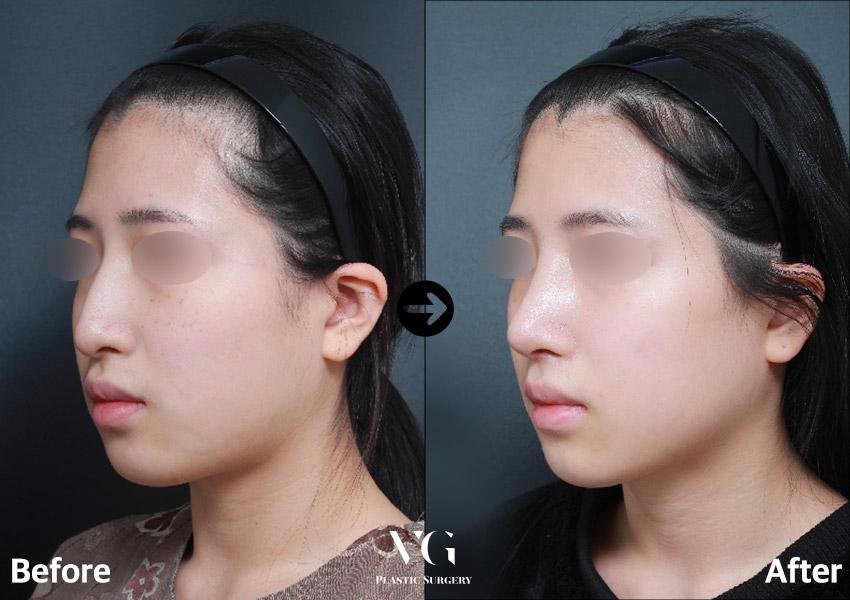
Tip Plasty3 months after surgery
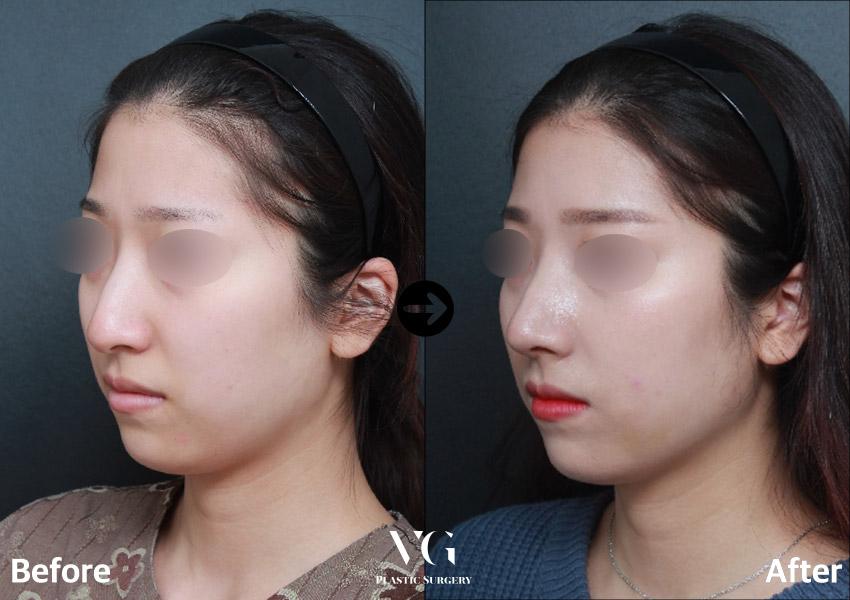
Tip Plasty3 months after surgery
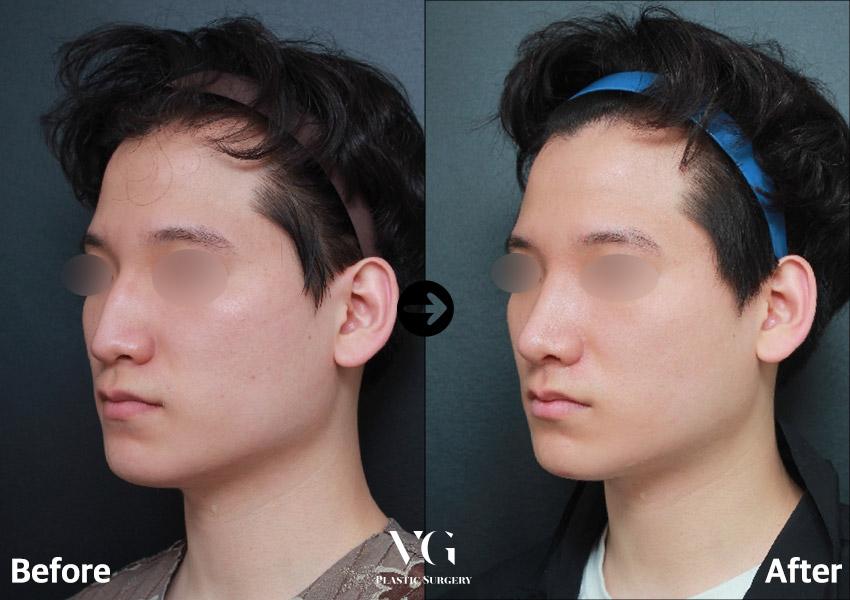
Tip Plasty3 months after surgery
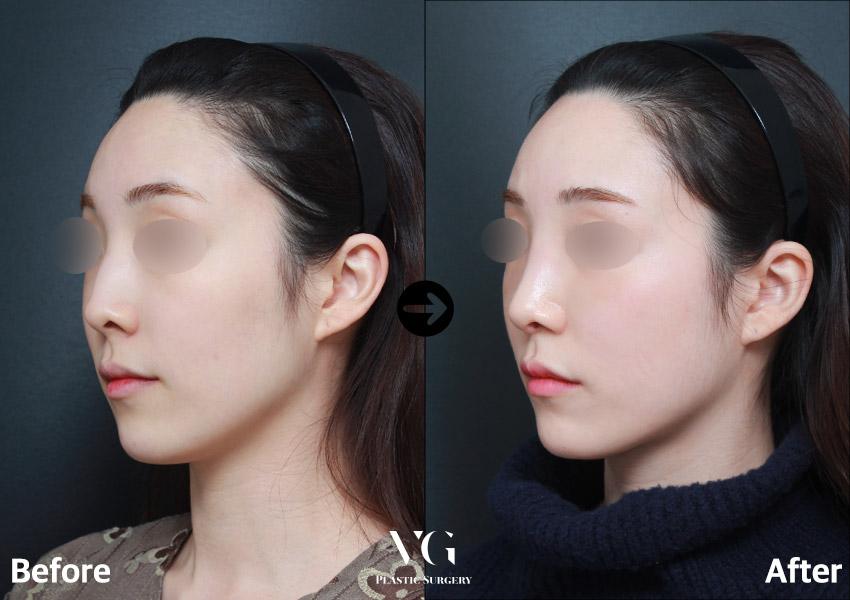
Tip Plasty3 months after surgery
FAQ
Questions patients ask
Will a lifted tip drop back down over time?
Some settling in the first year is normal as swelling leaves and the tissue relaxes, which is why some surgeons lift slightly past the target. How much stays depends largely on how firmly the new support is anchored: a lift held only by stitches and soft tissue tends to give back more than one built on a cartilage strut or graft. Ask where your support will be anchored.
Can I wear glasses on the flight home?
If only the tip was changed, light glasses resting on the bridge are usually tolerated once the splint is off. If the bridge was raised or bones were moved as well, most surgeons ask you to tape glasses to the forehead or wear contact lenses for several weeks. Check which applies to you before you pack.
Is a nose tip lift the same as correcting an upturned nose?
No, it works in the opposite direction. A tip lift turns a drooping tip up; an upturned nose usually needs the tip lengthened and turned down, often with a graft that extends the septum. If your nostrils already show clearly from the front, lifting is the wrong move.
Can I add eyelid surgery on the same trip?
It's often possible to combine them under one anesthetic, which lengthens the operation but doesn't add a separate recovery period. Plan the trip around whichever procedure has the later stitch-removal date, and expect the first week to be harder to go out in public with swelling around both the eyes and the nose.
Which medicines and supplements matter before I fly out?
Tell the surgeon about everything you take, including aspirin, anti-inflammatory painkillers, fish oil, vitamin E and herbal supplements, since several of them increase bleeding. Never stop a prescribed blood thinner on your own; that decision belongs to the doctor who prescribed it and your surgeon together.
Sources
This article explains general medical information. Whether surgery suits you, and which method, is decided only after a consultation with the surgeon.
Written by
Im Young Min
Chief Director · Plastic Surgery
- Ph.D. in Medicine
- Internship and residency, Seoul St. Mary's Hospital
- Board-certified plastic surgeon, Seoul St. Mary's Hospital
- Adjunct professor of plastic surgery, Seoul St. Mary's Hospital
- Former director, Topface Plastic Surgery
Next step
Send two photos. Get a surgeon’s answer.
Front and side, natural light, no filter. Dr. Im Young Min reviews them and tells you which method fits and how many days to stay in Seoul.
International patients pay the same surgical fee as Korean patients. Pricing policy
Keep reading
Nose
How Long After Rhinoplasty Can I Workout? Mostly Back Home
Gentle walking is fine within the first days after rhinoplasty, swimming usually waits about three weeks, and strenuous exercise and contact sports wait four to six weeks. Most of that wait happens after you fly home from Seoul.
Im Young Min ·
Nose
Rib Cartilage Rhinoplasty Side Effects: What Age Changes
Most side effects of a rib graft show up in the chest first: soreness and a short scar. Warping and stiffness in the nose come later, and age changes how rib cartilage behaves.
Im Young Min ·
Nose
Does Rhinoplasty Last Forever? The Bone Stays, the Skin Ages
Reshaped bone and cartilage don't grow back, so the core change of a rhinoplasty stays. Skin, tip support and any implant keep aging, and the material chosen decides most of what can shift years later.
Im Young Min ·