Nose
How Long After Rhinoplasty Can I Workout? Mostly Back Home
Gentle walking is fine within the first days after rhinoplasty, swimming usually waits about three weeks, and strenuous exercise and contact sports wait four to six weeks. Most of that wait happens after you fly home from Seoul.
Send your concern and a front and side photo. Replies in English, no obligation.
· 6 min read · Last updated
Edited by Im Young Min
In this article
- 01What a hard session does to a nose operated on last week
- 02When can I walk, swim, run and lift again?
- 03Your days in Seoul are for walking
- 04Who should expect a longer pause
- 05Nosebleeds, swelling and a knock to the face: what going back too early can cost
- 06Questions to put to any surgeon before you plan your training
- 07Where I stand on training and a new nose
The short answer
You train most days, you've found a surgeon in Seoul, and the thing keeping you up is how long after rhinoplasty can I workout without hurting the result? Most of that wait happens after you've flown home, so the plan you leave Seoul with matters more than any gym near your hotel.
- Easy walking is fine from the first days; the hotel gym is not.
- Swimming usually waits about three weeks, hard training and contact sports four to six.
- Moved bones, grafts, septum work and thick skin can stretch the pause.
- Most of the exercise wait falls after your flight home, so leave Seoul with a plan.
- Ask any surgeon for a separate return date for walking, cardio, lifting and your sport.
Hello, I'm Dr. Im Young Min, chief director and board-certified plastic surgeon at VERYGOOD Plastic Surgery in Gangnam, Seoul.
Profile
Im Young Min
Chief Director · Board-certified in Plastic Surgery
A few facts about how rhinoplasty runs here bear on your training. An ENT specialist works alongside the plastic surgeons in our rhinoplasty center, so a deviated septum or a narrow airway is assessed as part of the same operation, which matters if you run, row or ride and need to breathe hard for an hour. Three board-certified anesthesiologists work here full time and don't operate; one of them watches your blood pressure, pulse and breathing from the first injection until you're awake.
And if medical conversations in another language worry you, you'll have an interpreter for your language at no extra charge.
If there's a date on your calendar you can't move, such as a race, a competition or the start of a training block, send a front and a side photo of your nose in daylight on WhatsApp with your travel dates and that date, and ask whether the two fit together.
Send your nose photos and training dates on WhatsApp
What a hard session does to a nose operated on last week
Exercise raises your heart rate and blood pressure, and the nose has a dense blood supply. In the first weeks the small vessels inside it are still sealing, so a hard interval or a heavy squat raises the chance of a nosebleed and pushes fresh swelling into the tip, where it lingers.
Think of fresh tile grout. Within a day it looks set, but lean on it and it shifts. If bones were narrowed or grafts placed, swelling, tape and a splint hold them in position for roughly the first week, and a knock in that window can move them. Bruising and redness usually fade by about three weeks, while the last of the swelling, especially at the tip, can take months to settle fully.
Sweat is the quieter problem. The splint and tape need to stay dry while they're on, and a damp, salty splint starts to lift at the edges.
When can I walk, swim, run and lift again?
Treat these as typical earliest points for an uncomplicated rhinoplasty, not targets to hit. Your own surgeon's clearance, based on what was done inside your nose, comes first.
| Activity | Typical earliest point | What to watch |
|---|---|---|
| Easy walking | From the first days | Head up, no steep hills, stop if your nose throbs |
| Stationary bike, brisk walking | Often around weeks 2–3, if your surgeon agrees | Keep your effort at a pace you could talk through |
| Swimming | About 3 weeks | Goggles pressing on the bridge, chlorine in a healing nose |
| Running, HIIT, heavy lifting | 4–6 weeks | Breath-holding under load, glasses bouncing on the bridge |
| Contact sports, ball games, martial arts | At least 4–6 weeks | Any blow to the face; I lean later when bones were moved |
| Hot yoga, sauna, head-down poses | Treat as strenuous | Heat and head-below-heart both feed swelling |
Why heavy lifting waits longer than a jog
A heavy deadlift or squat usually comes with a held breath and a hard brace. That push sends a pressure spike into the veins of your head and face for a few seconds at a time, every rep. Light machines with steady breathing are a different load from a one-rep max, which is why many surgeons let people back to moderate weights before the barbell. Planks and crunches count too: if you hold your breath to do them, treat them as lifting.
Your days in Seoul are for walking
The part of recovery you spend in Korea is mostly the splint week. What you can do in that time is walk: around your hotel, through a quiet market, along the Han River paths, at a pace where you could hold a conversation.
Rest with your head above your heart, skip the hotel gym and the jjimjilbang (Korean sauna) entirely, and steer clear of packed crowds where an elbow can catch your face.
For how the splint days usually unfold, including when people feel ready for a long flight, see the seven days after silicone rhinoplasty, from splint to boarding gate.
Say you're 33, you lift four mornings a week, and you have a powerlifting meet ten weeks out. Back home, weeks two and three are walking and an easy bike, then light machines with steady breathing if your surgeon agrees, and heavy barbell work no earlier than the four-to-six-week mark. That still leaves a few weeks to rebuild before the meet.
If the meet were five weeks out, I'd suggest moving the surgery rather than squeezing the recovery.
Who should expect a longer pause
Your own answer to how long after rhinoplasty can I workout depends more on what was done inside your nose than on the calendar. These are the situations where surgeons usually ask for more time:
- Bones narrowed or straightened. The bone needs time to knit, and a knock in the early weeks can shift it.
- Septum work or cartilage grafts. More tissue was moved, and if cartilage came from the rib, twisting and bracing can stay sore for a while.
- Thick skin. Tip swelling tends to linger, and heat and hard effort keep it puffy longer. It's one reason a man's nose often sets tighter limits, and why adding height without a feminine tip takes careful planning on thicker skin.
- Revision surgery. Scar tissue from the first operation changes how the nose heals.
- Blood-thinning medicines or supplements, or high blood pressure. These raise the chance of a bleed, so hard effort waits until your doctor is comfortable with it.
If you're combining your nose with eye work such as inner or outer canthoplasty on one trip, ask how the second operation changes the exercise window, since eyelid swelling also responds to heat and strain.
Nosebleeds, swelling and a knock to the face: what going back too early can cost
The common, temporary effects are stuffiness, bruising around the eyes and tip swelling that comes and goes, often worse in the morning. Going back too hard mostly makes these last longer.
Less common, and the real reason for the rules: a nosebleed that starts during or after effort, a collection of blood inside the septum (a septal hematoma), and a bone or graft that shifts after a blow. A shift can leave a nose that looks crooked once the swelling settles, and that sometimes means a revision. Healing speed differs from person to person, which is why the table above is a typical range rather than a promise.
Once you're home: if your nose bleeds, sit up, lean slightly forward, breathe through your mouth and keep still. If the bleeding is heavy or doesn't slow within about fifteen minutes, go to urgent care. If you take a knock and the nose looks newly bent, or one side suddenly won't breathe, see an ENT or plastic surgeon at home within days and bring your operation notes. Before leaving Seoul, make sure you have those notes and know how to reach the clinic.
Before you book, write down your sport, how hard you train and the date of your next event. Send that on WhatsApp with your flight dates, and ask who you'd contact from home if you took a knock in week three.
Send your nose photos and training dates on WhatsApp
Questions to put to any surgeon before you plan your training
Whoever operates on you, these questions turn a vague a-few-weeks into dates you can plan around:
- Will bones be moved, and will grafts be placed? From where?
- Will the septum or airway be treated in the same operation, and by whom?
- On what day does the splint come off, and should I still be in the country for it?
- What are my return dates for walking, cardio, swimming, lifting and my sport, each one separately?
- If I'm hit in the face after flying home, who do I contact, and what records should I carry?
- Can I take my operation notes home to show a doctor there?
Where I stand on training and a new nose
You can take your time over the decision itself. The first message can be short: one front and one side photo in daylight, your weekly training schedule and the dates you could travel, sent on WhatsApp. Ask the question that shapes your whole plan: with what my nose needs, when could I be back to my sport? If you're close to booking, the deposit and how you pay are settled after the consultation, so that's a question for then.
When you visit, the doctor examines whether your bones need narrowing and how much support your tip needs, and recommends the operation that fits, and those two answers set your date back in the gym.
— Dr. Im Young Min, Chief Director, board-certified plastic surgeon
Related pages:
Nose before & after — more cases
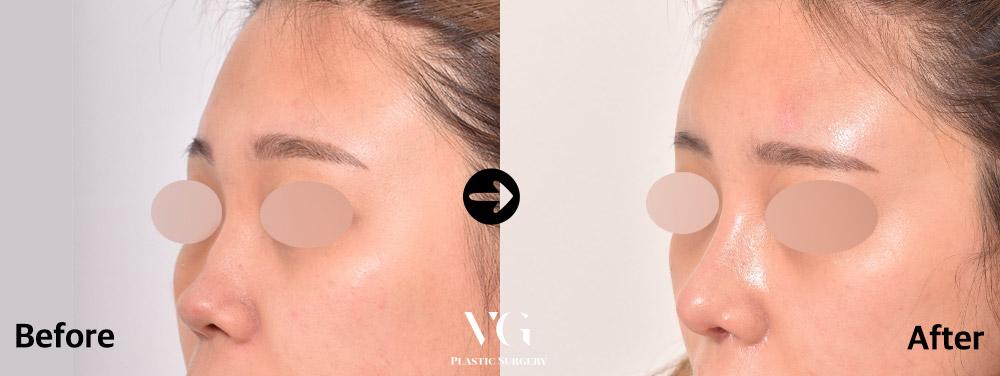
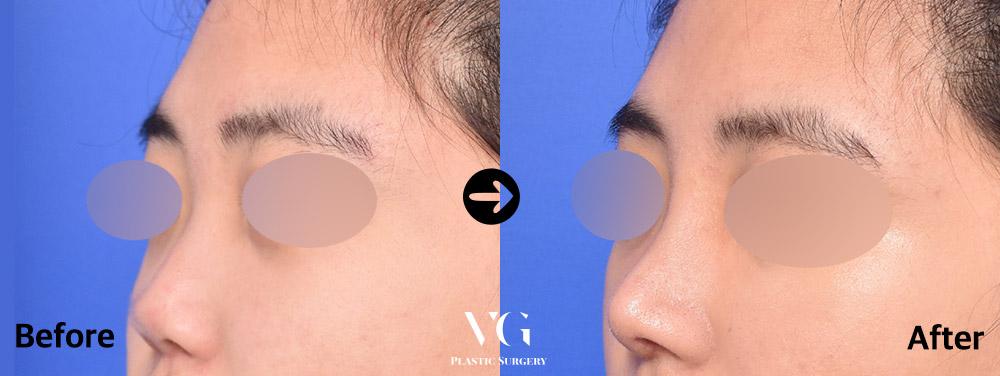
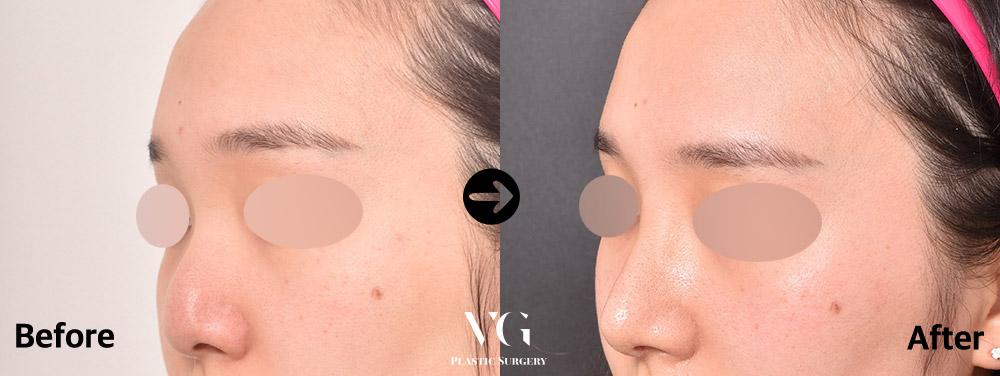
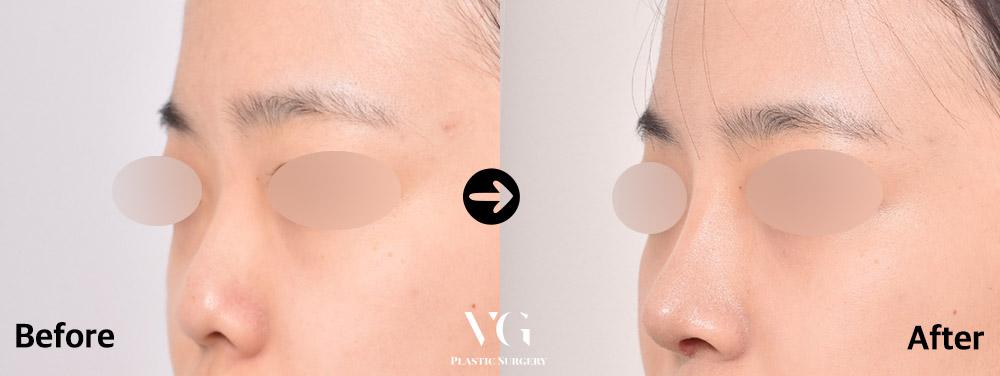
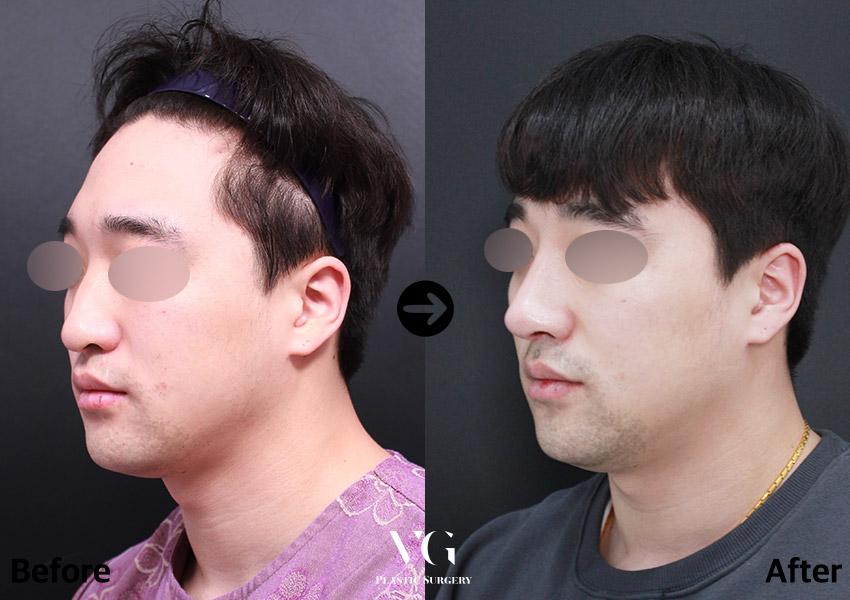
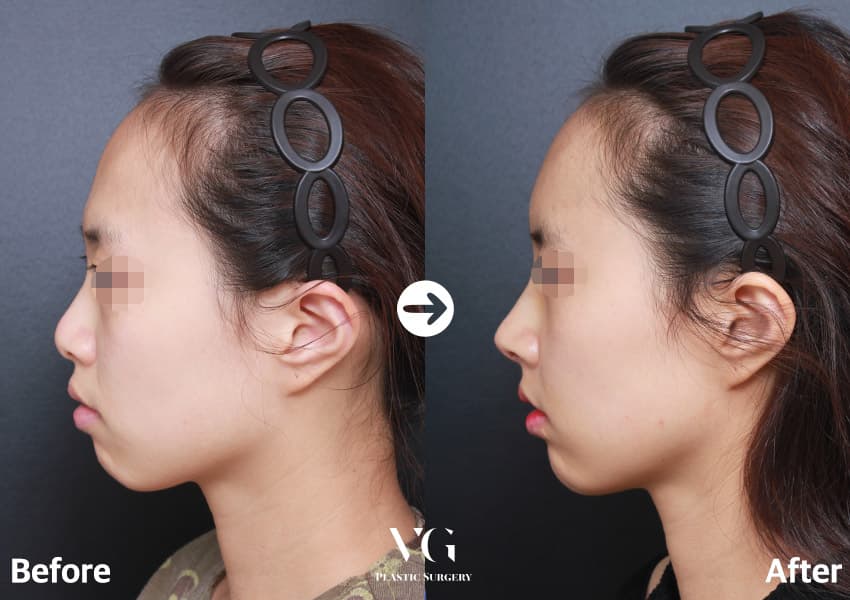
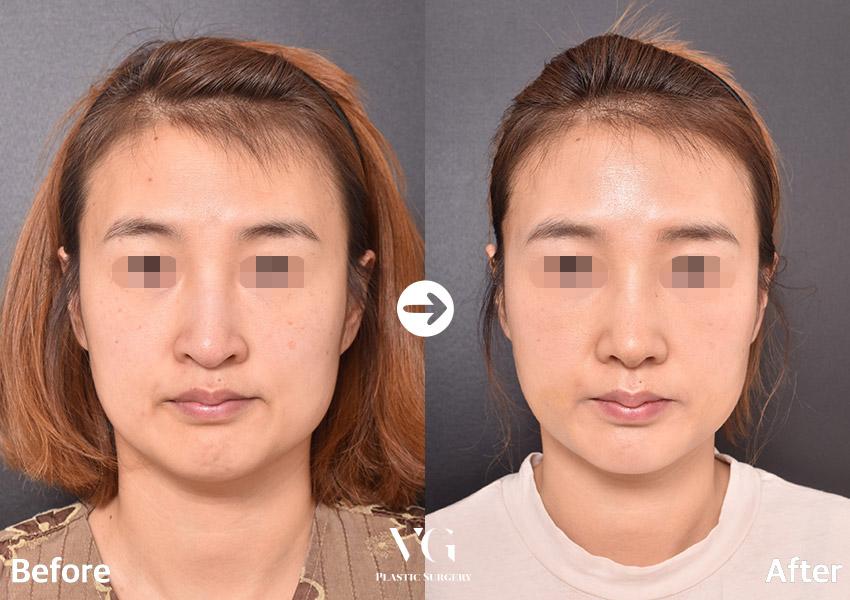
Real patients from our archive, all photographed 3 months after surgery. Tap a case to compare it full size.
Rhinoplasty3 months after surgery
Rhinoplasty3 months after surgery
Rhinoplasty3 months after surgery
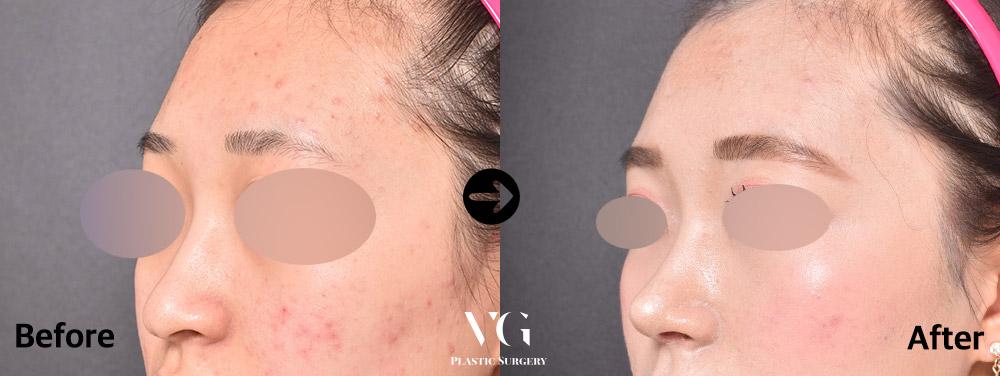
Rhinoplasty3 months after surgery
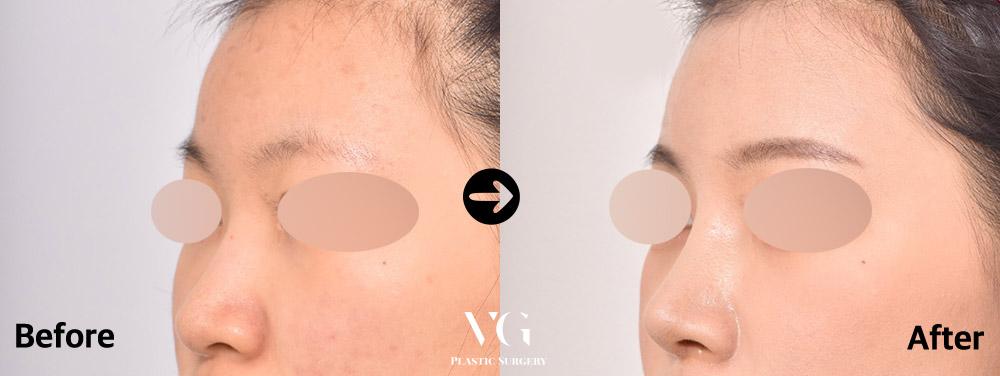
Rhinoplasty3 months after surgery
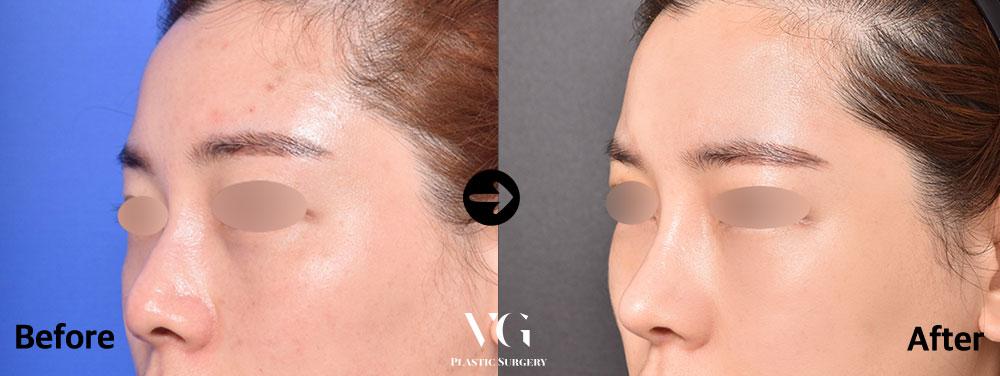
Rhinoplasty3 months after surgery
FAQ
Questions patients ask
Can I do push-ups or yoga in the first two weeks?
Push-ups and most yoga flows put your head below your heart or make you brace, and both push blood toward a healing nose. In the first two weeks, walking is your exercise. Gentle stretching with your head upright is usually fine.
Can I wear swim goggles or sports sunglasses?
Both can press on the bridge or bounce on it while you move. When you go back to the pool at around three weeks, choose goggles whose seal sits on the eye sockets rather than across the bridge. On runs, wear a cap instead of sunglasses until your surgeon says the bones are stable.
Does sweating loosen the splint?
It can. The splint should stay dry for the roughly one week it's on, and a sweaty session in that week can lift it at the edges. That's one more reason to keep the splint week to walking.
Is the timeline different for open and closed rhinoplasty?
Less than most people expect. The incision affects early tip swelling a little, but the exercise window mostly follows whether bones were narrowed, which grafts went in and whether the septum was operated on.
I'm a personal trainer. When can I go back to work?
Desk workers often go back at around two weeks. Coaching is different: demonstrating lifts, spotting clients and standing near swinging equipment all count as strenuous with a risk of knocks. Plan full duties around the four-to-six-week point and ask your surgeon whether light, hands-off coaching can start earlier.
Sources
This article explains general medical information. Whether surgery suits you, and which method, is decided only after a consultation with the surgeon.
Written by
Im Young Min
Chief Director · Plastic Surgery
- Ph.D. in Medicine
- Internship and residency, Seoul St. Mary's Hospital
- Board-certified plastic surgeon, Seoul St. Mary's Hospital
- Adjunct professor of plastic surgery, Seoul St. Mary's Hospital
- Former director, Topface Plastic Surgery
Next step
Send two photos. Get a surgeon’s answer.
Front and side, natural light, no filter. Dr. Im Young Min reviews them and tells you which method fits and how many days to stay in Seoul.
International patients pay the same surgical fee as Korean patients. Pricing policy
Keep reading
Nose
Rib Cartilage Rhinoplasty Side Effects: What Age Changes
Most side effects of a rib graft show up in the chest first: soreness and a short scar. Warping and stiffness in the nose come later, and age changes how rib cartilage behaves.
Im Young Min ·
Nose
Does Rhinoplasty Last Forever? The Bone Stays, the Skin Ages
Reshaped bone and cartilage don't grow back, so the core change of a rhinoplasty stays. Skin, tip support and any implant keep aging, and the material chosen decides most of what can shift years later.
Im Young Min ·
Nose
Tip Plasty Recovery: A Week in Seoul, a Year for the Tip
The splint and outside stitches usually come off around a week, which sets your stay in Seoul. Swelling in the nasal tip is the slowest to fade and can take many months, sometimes up to a year, to fully settle.
Im Young Min ·