Nose
Ethnic Rhinoplasty Korea: Will My Nose Still Look Like Mine? Cost, Reviews and Methods
For ethnic rhinoplasty korea searches, the answer is a plan built on your own skin thickness, cartilage and airway that keeps the nose in proportion with your face and heritage.
· 6 min read · Last updated
Edited by Im Young Min
In this article
- 01“Ethnic rhinoplasty will make me look Korean”
- 02Does thick skin stop the tip from changing?
- 03Is an implant always needed to raise a low bridge?
- 04Breathing belongs in the same plan as the shape
- 05What can go wrong, and what follows you home?
- 06What decides the cost of ethnic rhinoplasty in Korea?
- 07Sometimes the nose isn't what's out of balance
The short answer
Worried that ethnic rhinoplasty korea means ending up with a generic "Korean nose" instead of your own?
- Ethnic rhinoplasty in Korea aims to refine a nose while keeping it in proportion with your face and heritage.
- Thick skin limits how defined the tip can look and tends to hold swelling longer.
- A low bridge can be raised with an implant or with your own cartilage, and each has trade-offs.
- At this clinic an ENT specialist works in the rhinoplasty center, so breathing is planned together with the shape.
- The final contour can take up to a year to settle, so arrange records and local follow-up before you fly home.
Read on before you book or decide anything, because the worry that matters more comes after the flight home.
Profile
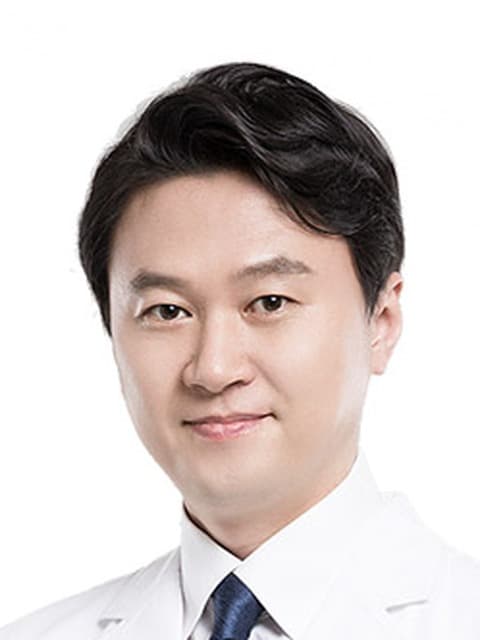
Im Young Min
Chief Director · Board-certified in Plastic Surgery
By the end you will know what to ask about cost, which of the common beliefs and reviews hold up medically, and how methods differ for thick skin, a low bridge and breathing.
Hello, I'm Dr. Im Young Min, Chief Director and board-certified plastic surgeon.
At our Gangnam clinic, an ENT specialist works with the plastic surgeons in the nose center, so breathing is planned together with the bridge and the tip.
Most people arrive with a belief picked up from forums and review threads: that the surgeon decides what your nose should look like, or that thick skin rules out change.
Short answer: ethnic rhinoplasty is about keeping your own features in balance, and the result depends on your skin, your structure and your airway, not on a template.
Send your dates and a side photo on WhatsApp
“Ethnic rhinoplasty will make me look Korean”
Looking Korean isn't the aim. Ethnic rhinoplasty refines a nose so it still fits your forehead, cheeks, lips and chin, and still looks like it belongs in your family photos.
Behind many ethnic rhinoplasty korea searches sits a fear of being steered toward a trend. One question protects you in any consultation room: ask the surgeon to say in plain words how high the bridge would go and which features of your face set that limit. An answer that mentions your brow, eye level and lip position describes a plan built around you. Skin sets the other limit, which our article on why skin sets the limit on the tip goes through in detail.
Does thick skin stop the tip from changing?
Thick skin doesn't stop change, but it caps how sharp the tip can look. Skin is the cover over the cartilage, and a thick, oily cover blurs whatever shape sits beneath it.
Many noses people call bulbous combine three features: thick skin, soft tip cartilages, and too little support from below. Surgery can reshape and brace those cartilages, often with a small graft from the septum, but the skin shrinks back onto the new frame slowly and only partly. The Ishii review lists thick skin and weak lower cartilages among the common traits of Asian noses and treats them as limits the tip plan has to respect.
Risks and side effects to know
Thick skin also tends to hold swelling longer, which matters if you plan to judge your tip in a phone photo three weeks after surgery. And when a nose reads as wide because of the nostrils rather than the tip, the fix is different; when nostril reduction helps a wide nose explains how to tell the two apart.
Is an implant always needed to raise a low bridge?
No. A low bridge can be raised with an implant, usually silicone or ePTFE, or with your own tissue: septal cartilage, ear cartilage, rib cartilage or fascia, alone or combined.
| Option | Often used for | Trade-off to weigh |
|---|---|---|
| Silicone implant | A moderate rise on a low bridge with enough skin cover | Can shift, show through thin skin, or need removal if infected |
| ePTFE implant | A similar rise with softer edges | Tissue grows into it, so later removal is harder |
| Septal or ear cartilage | Tip support and small bridge changes | Limited supply; ear cartilage is curved |
| Rib cartilage | Large rises, weak tips, revision | A second scar on the chest; it can warp over time |
Which option fits comes down to skin thickness over the bridge, how much height you want, and whether earlier surgery has already used your septum. An implant always sits inside tissue with its own limits, the same reasoning laid out in Korean breast implants and the limits your own tissue sets. For a lower-set nose, where the bridge starts and what raises it covers the starting point, and the choice of incision is a separate question explained in inside-the-nose incisions versus the open approach.
Say you have a low bridge, thicker skin around the tip, and you also breathe poorly on one side. I would not start from a picture of a nose you want. I would look at how much the bridge actually needs to rise to suit your face, how much the thick skin limits the tip, and whether a deviated septum is the reason for the blocked side. You might find the bridge is the smaller part of the plan and the airway and tip support matter more. The shape would then be planned around your own profile, so it still reads as yours.
Breathing belongs in the same plan as the shape
A nose that looks refined but breathes worse is a poor outcome. A deviated septum or a narrow nasal valve can be examined and treated in the same operation instead of being left for another doctor later.
Here, an ENT specialist practices alongside the plastic surgeons. Dr. Kim Han Gyeol, the otolaryngologist who joins the rhinoplasty center, is responsible for the septum and the airway, so the inside of the nose is assessed together with its shape. For ethnic noses this can matter more than people expect: raising a low bridge, narrowing a wide base or harvesting septal cartilage all change the space air passes through.
The operating room is staffed with the same idea. Three board-certified anesthesiologists work at the clinic full time and don't perform cosmetic surgery; one of them watches your blood pressure, pulse and breathing from the first injection until you are awake again. With the four plastic surgeons and the ENT specialist, that makes eight full-time specialists.
What can go wrong, and what follows you home?
Rhinoplasty carries real risks, in Seoul as anywhere. The American Society of Plastic Surgeons lists anesthesia risks, infection, poor healing or scarring, numbness, septal perforation, difficulty breathing, lasting swelling or discoloration, an appearance you're unhappy with, and the possibility of revision surgery.
For a traveler, timing adds a layer. ASPS notes that initial swelling eases within a few weeks, while the final contour of the nose can take up to a year to refine. Most of the change you'll judge therefore happens after you've left Korea, and thick skin can stretch that period further. Three things make the distance easier to manage:
- If you've had nose surgery or fillers before, bring whatever records you have; earlier work changes the options, as starting from what the first surgery left explains.
- Before leaving Seoul, ask for copies of your operative notes and medication list. The U.S. CDC's guidance on medical tourism recommends carrying your records and arranging follow-up care at home before you travel.
- Find a local ENT or plastic surgeon you could see quickly if bleeding, redness or blocked breathing worries you.
Candidacy, the technique and the number of nights in Seoul are decided at the in-person exam, and healing differs from person to person.
If follow-up after the flight home is your main hesitation, send your travel dates on WhatsApp and mention any past nose surgery.
Send your dates and a side photo on WhatsApp
What decides the cost of ethnic rhinoplasty in Korea?
The main factors are the method: whether your own cartilage, an implant or both are used, and how much work the tip needs, especially with thick skin. Whether the airway is treated in the same operation also changes the plan, since septum work adds to the surgery. The type of anaesthesia, the number of days you stay in Korea and the follow-up you need after you fly home all play a part too. A revision after an earlier implant is a different operation from a first surgery. To get the figure for your case, ask on WhatsApp and attach a photo of your nose.
Sometimes the nose isn't what's out of balance
A nose can look large, flat or wide because of what surrounds it: eye spacing, cheek projection, or a chin that sits back. Checking those first avoids asking the nose to fix something it didn't cause.
The eye corners are a common example. When the gap between the eyes draws attention, that's a separate procedure with its own trade-offs, set out in inner, outer or lower corner canthoplasty. Reshaping the nose to compensate for a different feature tends to push the nose past what suits it, which brings back the first belief on this page: the aim is a nose that still looks like yours.
A useful first message is short: one front photo and one side photo in daylight, plus the one belief from this page you're least sure about for your own nose. One photo is enough to start, and you can ask on WhatsApp before booking anything. When you come to the clinic, I examine your nose and breathing and recommend what fits you.
Related pages:
Nose before & after — more cases
Real patients from our archive, all photographed 3 months after surgery. Tap a case to compare it full size.
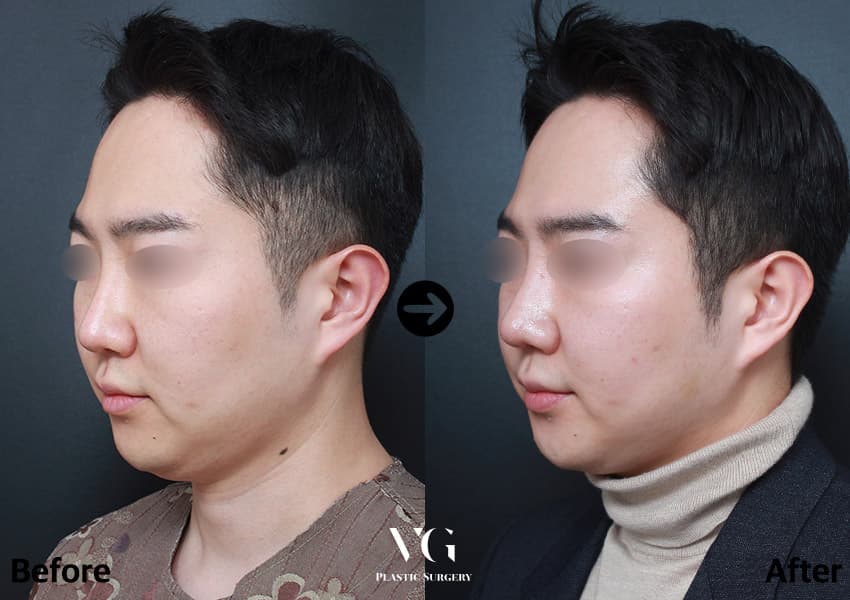
Male Rhinoplasty3 months after surgery
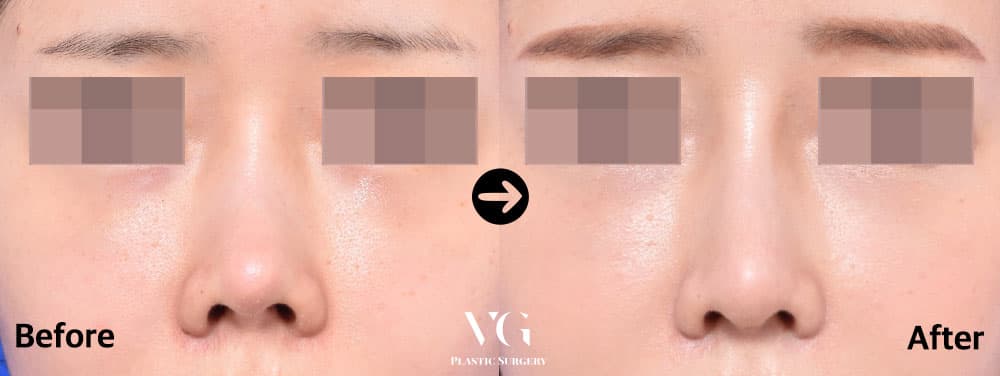
Revision Rhinoplasty3 months after surgery
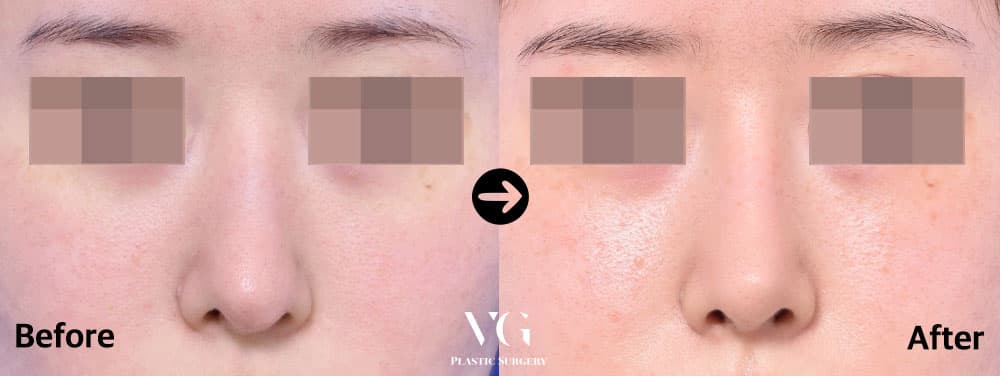
Revision Rhinoplasty3 months after surgery
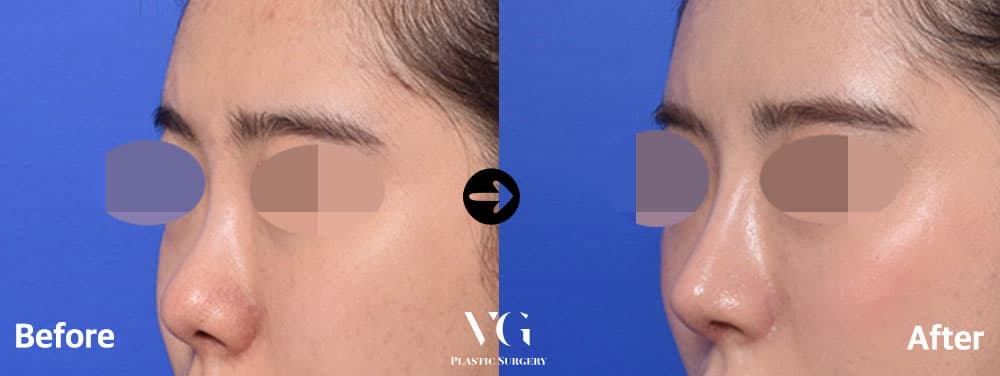
Rhinoplasty3 months after surgery
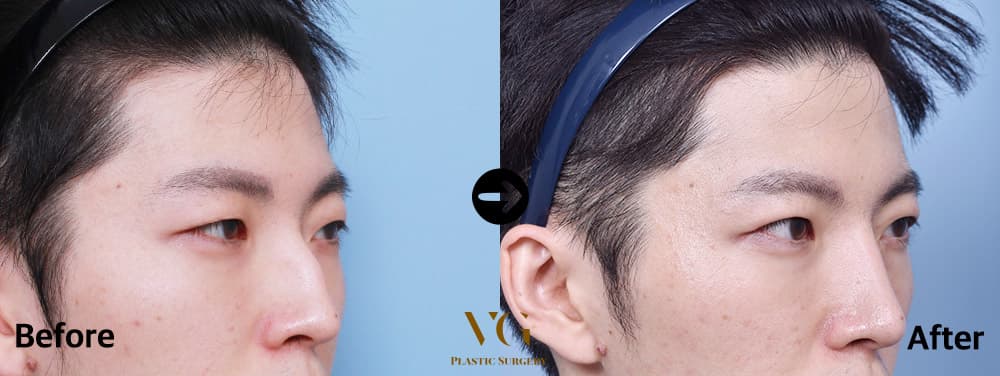
Male Rhinoplasty3 months after surgery
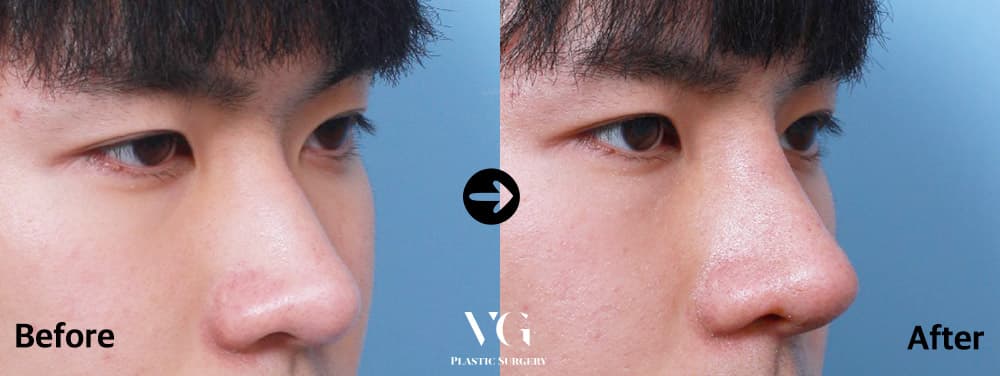
Male Rhinoplasty3 months after surgery
FAQ
Questions patients ask
Is ethnic rhinoplasty only for Asian noses?
No. The term is used for any nose whose skin thickness, cartilage strength and bridge height differ from the narrow, high-bridged shape that older rhinoplasty techniques were largely described around. That includes African, Middle Eastern, Latin American and mixed-heritage noses. The principle is the same in each case: refine within the proportions of your own face.
Can septum surgery happen in the same operation as ethnic rhinoplasty korea?
At this clinic, a deviated septum or an airway that doesn't breathe well is examined and treated as part of the operation, with an ENT specialist on the rhinoplasty team. Mention nasal blockage, snoring or any past nose injury when you first get in touch so it becomes part of the assessment.
How long until my nose looks settled in photos?
Initial swelling usually eases over the first few weeks, but the American Society of Plastic Surgeons notes the final contour can take up to a year to refine. Thick skin, especially over the tip, tends to stay swollen longer. Treat photos from the first months as a progress check.
What should I stop taking before rhinoplasty?
Aspirin, anti-inflammatory painkillers and some herbal supplements can raise bleeding risk, and smoking slows healing. List everything you take, including supplements, when you first get in touch, and follow the stop dates your surgeon gives you.
Is revision harder if I already have a nose implant?
Often, yes. Scar tissue forms around an implant, and if septal cartilage was used before there may be less of it left, so ear or rib cartilage may be needed. Bring any operative notes or scans you have; they make the planning conversation more concrete.
Sources
This article explains general medical information. Whether surgery suits you, and which method, is decided only after a consultation with the surgeon.
Written by
Im Young Min
Chief Director · Plastic Surgery
- Ph.D. in Medicine
- Internship and residency, Seoul St. Mary's Hospital
- Board-certified plastic surgeon, Seoul St. Mary's Hospital
- Adjunct professor of plastic surgery, Seoul St. Mary's Hospital
- Former director, Topface Plastic Surgery
Next step
Send two photos. Get a surgeon’s answer.
Front and side, natural light, no filter. Dr. Im Young Min reviews them and tells you which method fits and how many days to stay in Seoul.
International patients pay the same surgical fee as Korean patients. Pricing policy
Keep reading
Nose
Rhinoplasty Cost in South Korea in Rupees: What Changes It for a Flat Nose or Crooked Septum? Reviews, Methods and Recovery
There's no honest rupee figure for a nose nobody has examined. The cost follows the method, septum work, revision, anesthesia time and days in Seoul; send photos on WhatsApp to ask about yours.
Im Young Min ·
Nose
What Decides the Cost of Rhinoplasty in South Korea? Reviews, Methods and Recovery
There is no single price for a nose job in Korea: the method, the cartilage source, septum work, revision status and anesthesia set the figure for your nose.
Im Young Min ·
Nose
How Much Does a Nose Job Cost in Korea? Four Cost Drivers, Reviews, Methods and Recovery
A nose job in Korea is priced from four parts: the scope of the change, the building material, any breathing work and the anesthesia. Foreigners pay the same surgical fee as Korean patients, with a written estimate.
Im Young Min ·