Nose
Alarplasty Korea: When Nostril Reduction Helps a Wide Nose
A rhinoplasty surgeon in Seoul explains alar reduction: how to tell nostril width from a wide tip or a wide bone, why it is usually planned with other nose work, and what a trip to Korea for it looks like.
In this article
- 01What alarplasty changes, and what it leaves alone
- 02How I decide whether the nostrils are the problem
- 03Why alarplasty Korea plans rarely stand alone
- 04Surgery day and recovery
- 05Planning an alarplasty Korea trip: stay, stitches, fee
- 06What I check in consultation
- 07Risks of nostril reduction, and how we reduce them
The short answer
Alarplasty in Korea narrows nostrils that flare or sit wide at the base, and it is usually planned together with tip or bridge work rather than on its own. It suits a nose that still looks wide from the front once the tip and bridge are right. Stitches come out 5–7 days after surgery, and most people stay in Seoul at least 7 days, or 14 days if bone work or a revision is part of the plan.
- Nostril reduction addresses width at the nostril wings only; a round tip or a wide bony bridge needs a different step.
- In our before and after archive, every nostril reduction case was combined with other nose work, most often the tip or the bridge.
- I check how far the nostrils spread when you smile, not only how they look at rest.
- Stitches come out 5–7 days after surgery; the shape looks natural at 1–2 months and is assessed at around 6 months.
- International patients pay the same surgical fee as Korean patients, set out in one written quote.
Hello, I'm Yang Jong Phil, a board-certified plastic surgeon on the nose surgery team at VG Plastic Surgery in Seoul. I trained at Korea University Hospital, did a plastic surgery fellowship at the University of Chicago Medical Center, and am a full member of the Rhinoplasty Research Group of the Korean Society of Plastic and Reconstructive Surgeons. Alarplasty Korea questions reach me almost every week, usually from someone who says their nose looks wide and wants to know if narrowing the nostrils will fix it.

Profile
Yang Jong Phil
Director · Board-certified in Plastic Surgery
Sometimes it will. Often it is only part of the answer. In this article I explain how I tell nostril width apart from the other reasons a nose looks wide, what our team's cases show, and how a trip to Seoul for this surgery is planned. For every method we use, the rhinoplasty page with results sorted by concern is the fuller reference.
What alarplasty changes, and what it leaves alone
Alarplasty, also called alar reduction or nostril reduction, works on the alar nose: the curved wings on each side of the tip. It can reduce how far the wings flare outward, how wide the nostril base sits on the face, or both. When people search "nose alar" or "alar nose" surgery, this is the part they mean.
It does not make a round tip sharper, and it does not narrow a wide bridge. A bulbous tip is thick skin and splayed cartilage, which is tip work; my article on bulbous nose rhinoplasty in Korea goes through that. A wide bridge is bone, and narrowing it means osteotomy, which changes the recovery. Cutting the nostrils when the real width is in the tip or the bone leaves a nose that still looks wide, with smaller nostrils.
Who nostril reduction tends to suit
- Nostril wings that flare outward and make the lower nose read wide from the front
- A nose that still looks wide after the bridge has been raised; the nostril width is often what is left
- Nostrils that spread noticeably when you smile
- A tip or bridge operation already planned, where the nostrils would otherwise look out of proportion afterwards
There are times I advise waiting. An active sinus or nasal infection is treated first and we reconsult afterwards. Surgery is not planned before facial growth is complete. If you cannot stop smoking around the operation, healing suffers, more so when rib cartilage or revision is involved.
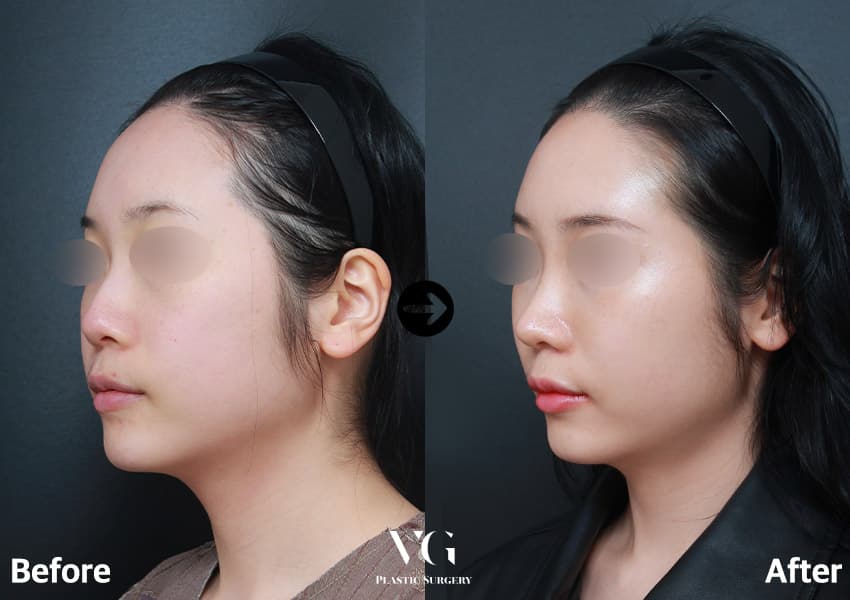
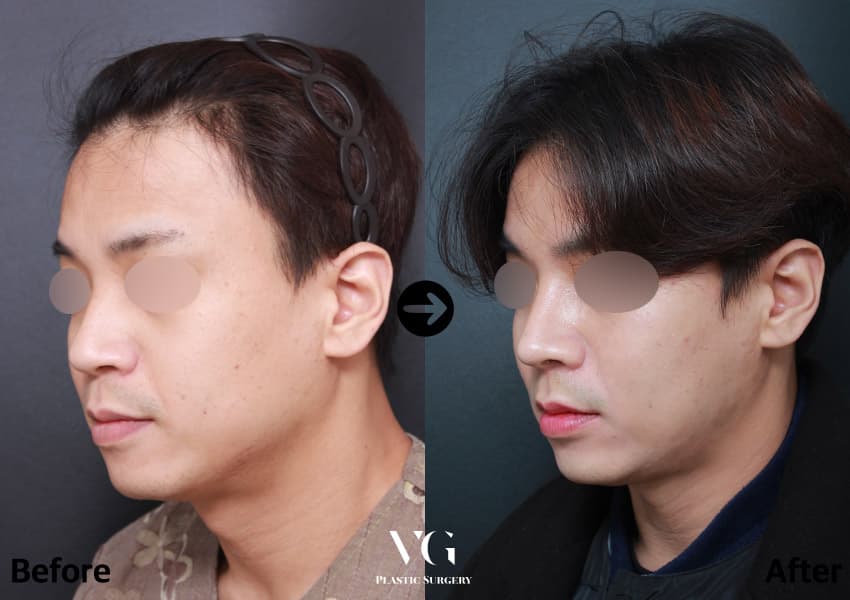
These three are cases from our nose surgery team, each photographed 3 months after surgery. The first combined tip surgery with nostril reduction; you can see this tip and nostril case from every angle. In the second, a bulbous tip was corrected together with the nostrils, and the third is a male patient whose rhinoplasty included nostril reduction. In each, the lower nose looks narrower because the tip and the wings were planned as one unit.
How I decide whether the nostrils are the problem
A photo of a wide nose does not tell me where the width comes from. So I work through the same questions in order, and the plan follows from the answers.
- Is the bony bridge wide? I look from the front at the upper and middle third. If the width is there, it is bone, and nostril surgery will not touch it.
- Is the tip round or wide? I feel the skin over the tip and check how the cartilage sits. Thick skin and splayed cartilage call for tip work first.
- Do the wings flare, or does the base sit wide? These are different patterns, and the incision is planned around which one you have.
- What happens when you smile? Nostrils that look fine at rest can spread a lot with expression, so I watch you talk and smile during consultation.
- Is the bridge going up? Raising the bridge can make the lower nose look wider by comparison. If it is part of the plan, I judge the nostrils against the new bridge, not the old one.
Only after these five do I decide whether nostril reduction belongs in your plan, and how much. Taking out too much is harder to correct than taking out too little, so I plan conservatively.
Why alarplasty Korea plans rarely stand alone
Our before and after archive holds 20 nose cases that include nostril reduction. In every one of them it was combined with something else: tip surgery, bridge augmentation, hump reduction, a bulbous tip correction or a revision. That matches what I see in consultation. The nostrils are the last piece of the lower nose, and they are judged once the tip and bridge are decided.
| Combined with | Why the two are planned together | What it means for your stay |
|---|---|---|
| Tip surgery or bulbous tip correction | A narrower tip next to wide wings looks unbalanced, so both are set in one plan | At least 7 days |
| Bridge augmentation | A higher bridge can make the nostrils read wider; we judge them against the new line | At least 7 days |
| Hump reduction with osteotomy | Filing a hump can widen the bridge, so bone is narrowed and the lower nose is balanced to it | 14 days |
| Revision rhinoplasty | The nostrils are reassessed with whatever the first operation left behind | 14 days |
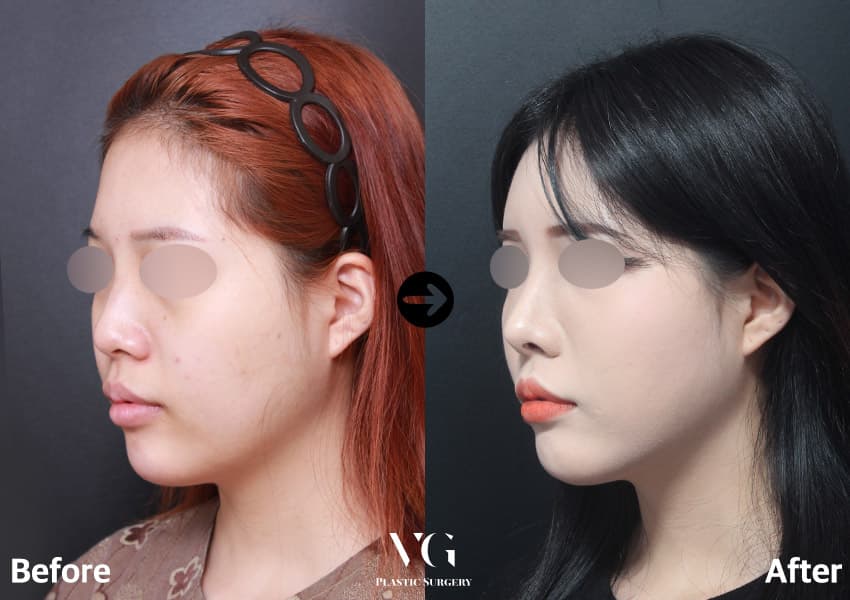
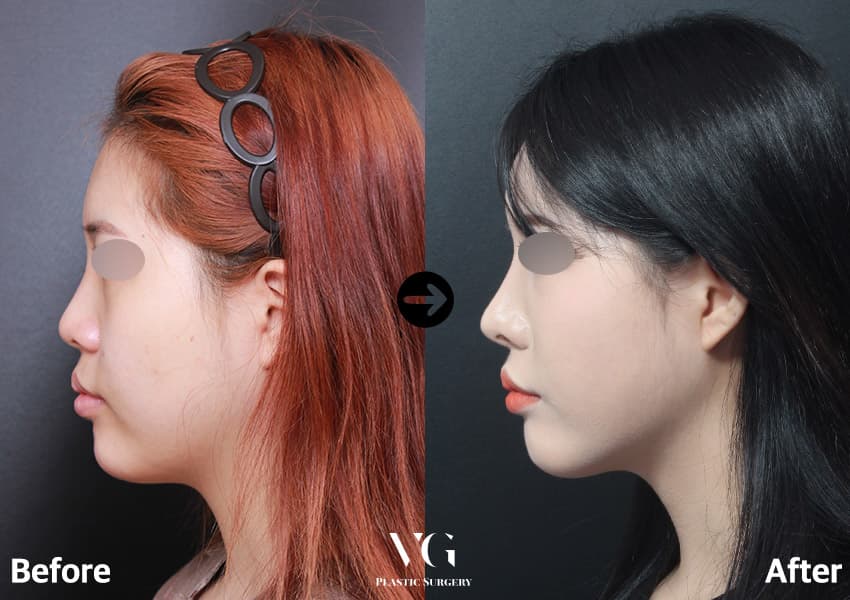
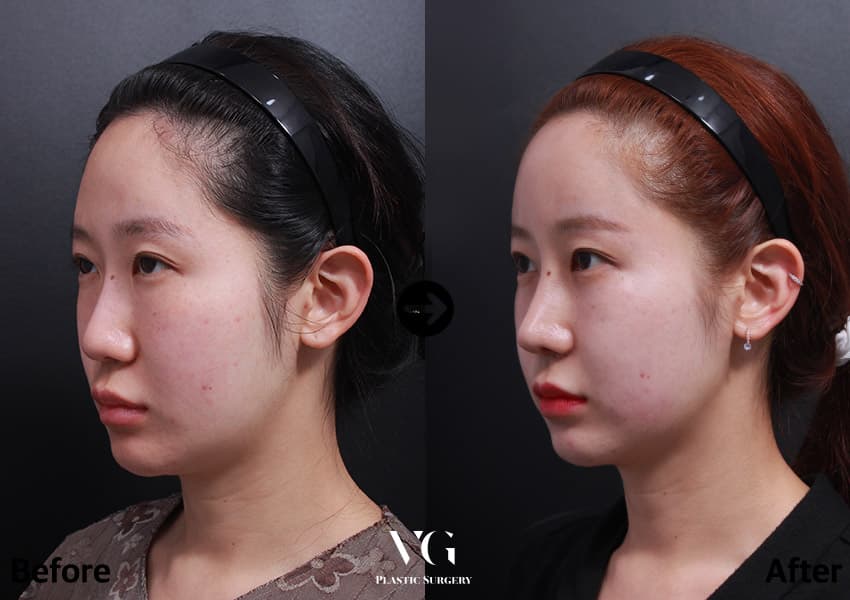
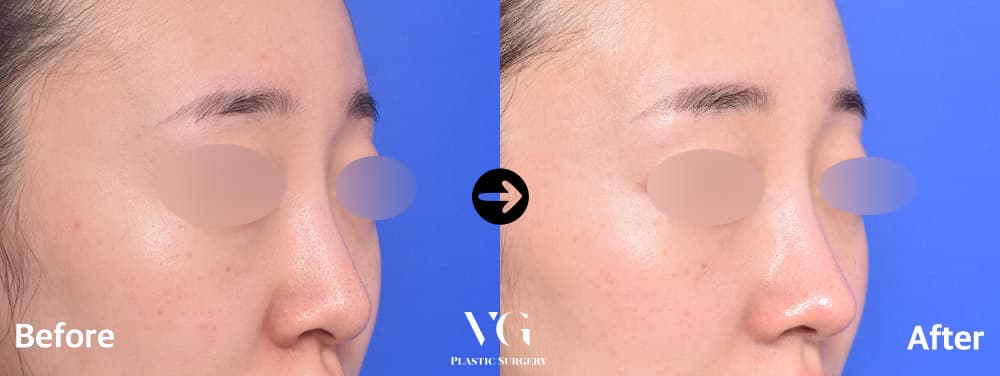
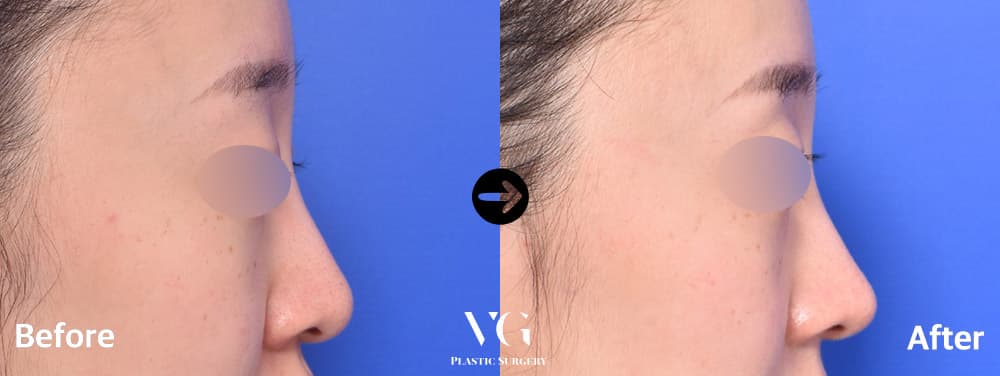
The first two photos are one case from two angles, a bridge augmentation with nostril reduction; the full case shows the front view too. The third is another rhinoplasty from our nose surgery team that combined the two. Both were photographed 3 months after surgery. If your main concern is the bridge, my colleague's piece on nose bridge rhinoplasty in Korea goes into height and materials.
Surgery day and recovery
On the morning of surgery I draw the plan on your face and go through it with you, with the interpreter present. A rhinoplasty that includes nostril reduction takes 1–3 hours under sedation or general anesthesia, and most people do not need to stay overnight. A revision is the exception, where one night is advised.
| Milestone | Without bone work | With osteotomy | Revision |
|---|---|---|---|
| Swelling at its peak | Days 3–5 | Days 5–7 | Days 5–7 |
| Stitches out | Days 5–7 | Day 7 | Day 7 |
| Back to daily life | About 7 days | About 14 days | About 14 days |
| Looks natural to others | 1–2 months | About 3 months | 3–6 months |
| Final result assessed | About 6 months | 6–12 months | About 12 months |
You can wash your hair from the day after surgery, keeping water off the nose. The incision lines at the nostrils look pink at first and settle over the following months; how they settle differs from person to person. For alarplasty Korea patients who fly home early, I judge the final shape from photos at around 6 months, not in the first weeks while swelling is still there.
Send one photo from the front and one from below on WhatsApp, and I'll tell you whether your width is in the nostrils, the tip or the bone.
Planning an alarplasty Korea trip: stay, stitches, fee
For an alarplasty Korea trip, plan to stay at least 7 days, or 14 days when osteotomy is part of the plan or it is a revision. That covers the swelling peak, stitch removal and a final check before you fly. One coordinator stays with you from your first message, and an interpreter is with you in consultation and on the day.
- Arrival: in-person consultation with your surgeon and an interpreter
- Surgery day, then a check the next morning
- Recovery at a partner hotel near the clinic
- Stitches out 5–7 days after surgery
- Final check, and your medical certificate, operation record and aftercare instructions in English
After you fly home, follow-up continues for 3 months: photo reviews at set intervals, written answers from your surgeon, and a request for more photos from set angles when the first ones are not enough. The guide for international patients lists what is included.
What sets the fee is the plan: whether nostril reduction is combined with tip or bridge work, which material is used, whether bone is cut and whether it is a revision. Your passport does not set it. International patients pay the same surgical fee as Korean patients, set out in one written, itemised quote.
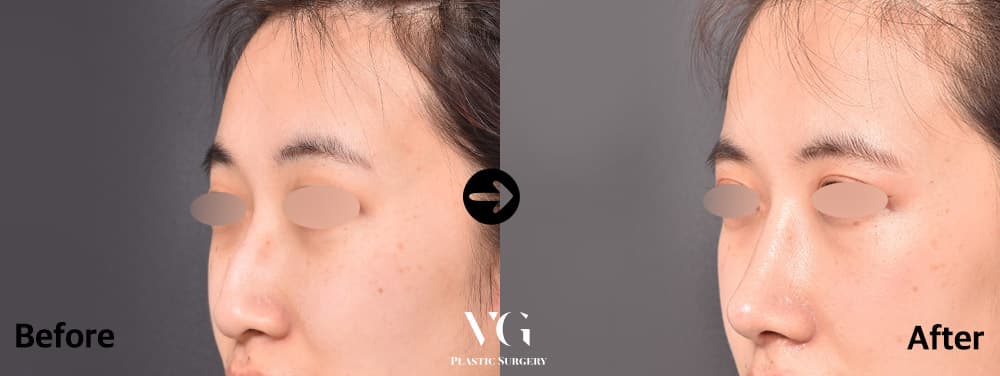
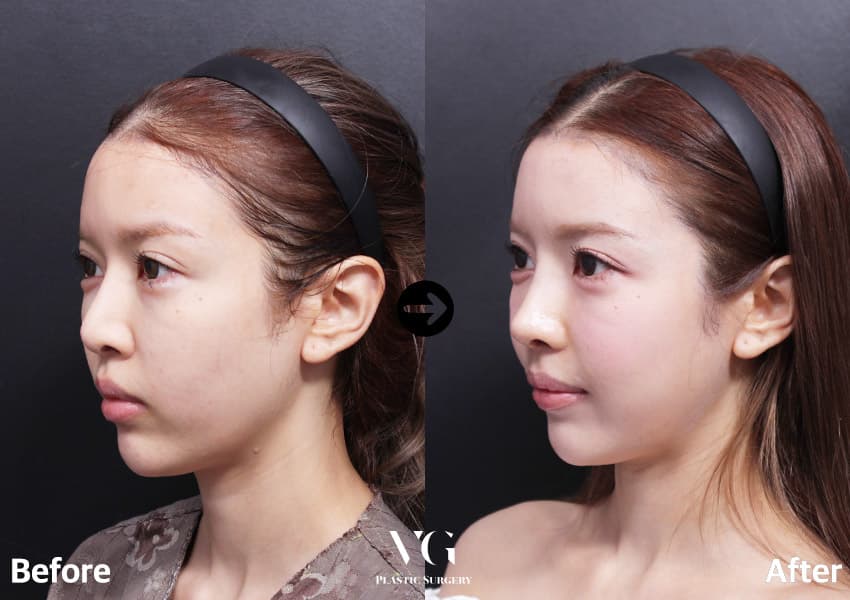
The first case combined hump correction with nostril reduction; once the hump came down, the wings were balanced to the new bridge. The second was a revision rhinoplasty, where the nostrils were reassessed along with what the first operation had left. Both are cases from our nose surgery team, photographed 3 months after surgery. For more angles across many patients, see our Korean nose job before and after photos or the full before and after gallery.
What I check in consultation
Many people come in after seeing Korean plastic surgery photos online and ask for the same nostrils. The trouble is that nostrils borrowed from another face rarely match your tip and bridge. I would rather plan a little less width reduction than you asked for than make nostrils that no longer suit the rest of the nose. You can read more about how I work on my surgeon profile.
Risks of nostril reduction, and how we reduce them
Every nostril reduction carries risk: visible incision lines, slight asymmetry between the two sides, swelling that lasts longer than expected, and nostrils that look too small or pinched if too much is removed. Recovery and outcome differ from person to person, and a plan does not promise a result.
- Conservative removal: taking out too much is harder to correct than too little, so I plan less rather than more
- The right step for the right width: tip and bone are dealt with first, so the nostrils are not asked to fix width they do not cause
- Both sides measured: the two nostrils are often not identical before surgery, and I show you that in advance
- Breathing checked: the airway is assessed with our ENT specialist when there are symptoms
- Follow-up after you leave: photo reviews for 3 months, so a concern is looked at early
A Korean nose job that includes the nostrils works well when the nose is planned as one structure. The rhinoplasty centre page, where nostril width is one of the concerns you can filter by, shows how the other methods fit around it.
Send photos from the front, the side and below on WhatsApp, and I'll tell you whether nostril reduction belongs in your plan and how many days you would need in Seoul.
Nose before & after — more cases
Real patients from our archive, all photographed 3 months after surgery. Tap a case to compare it full size.
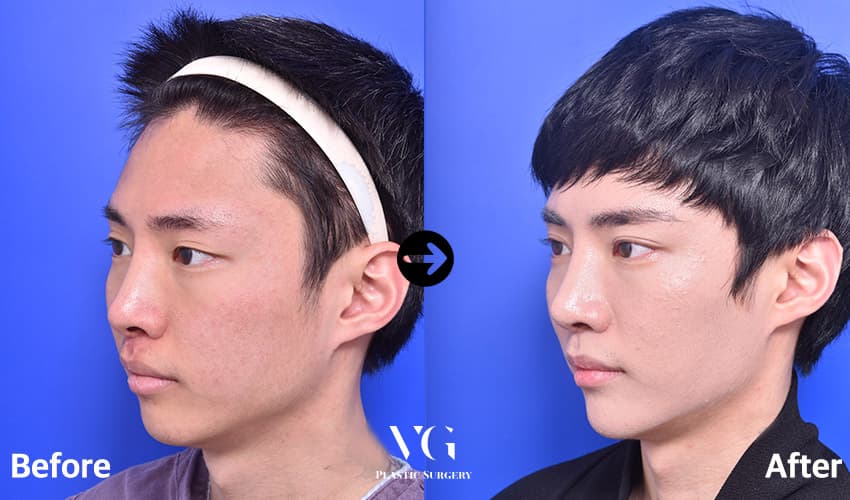
Alar Base Reduction3 months after surgery
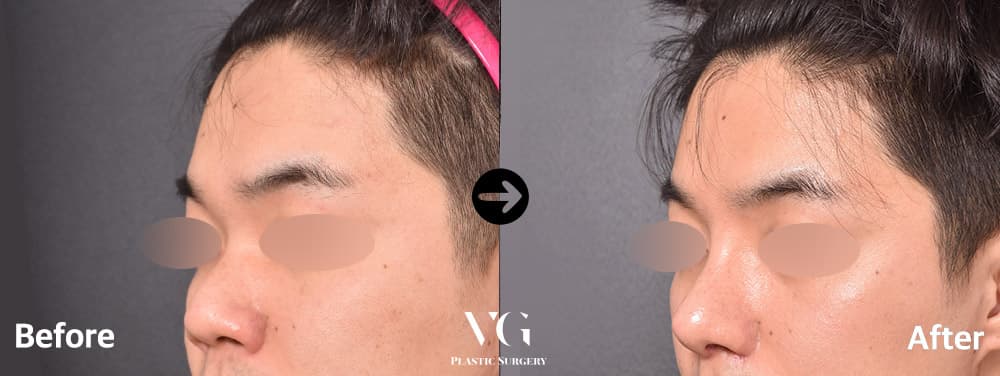
Alar Base Reduction3 months after surgery
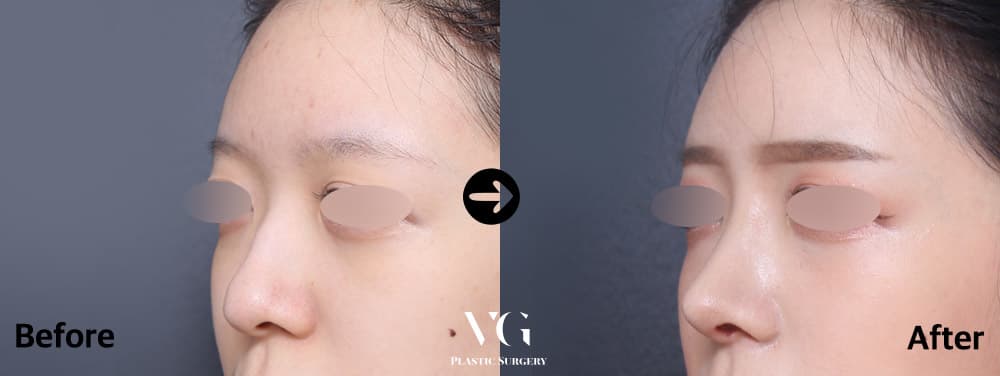
Alar Base Reduction3 months after surgery
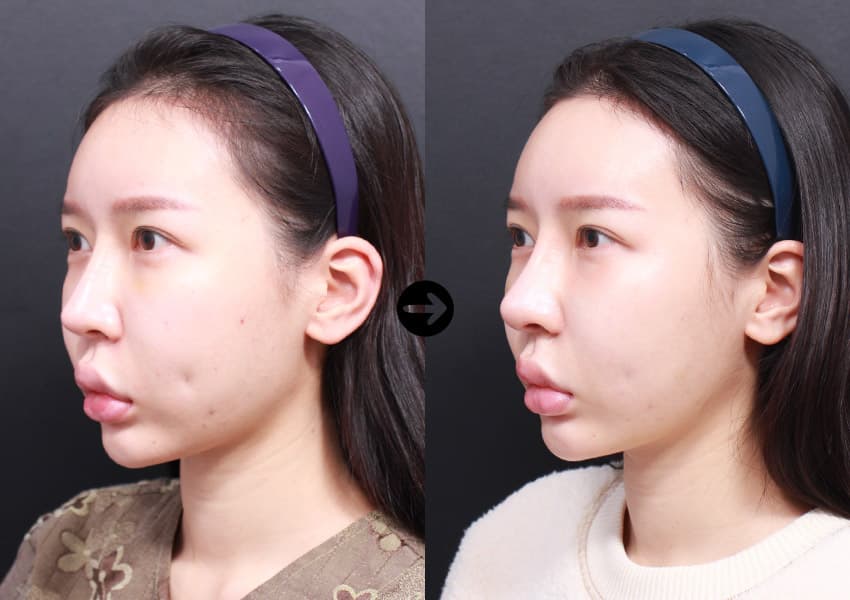
Alar Base Reduction3 months after surgery
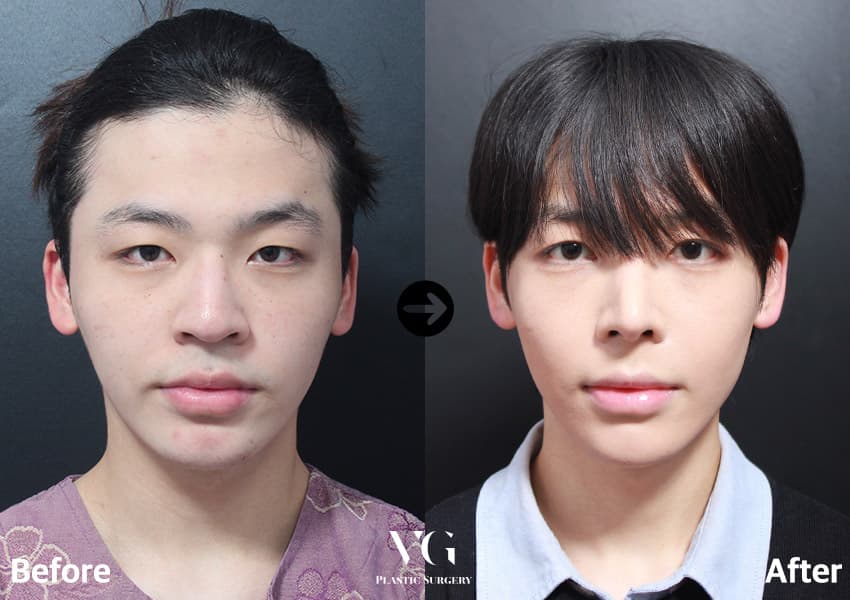
Alar Base Reduction3 months after surgery
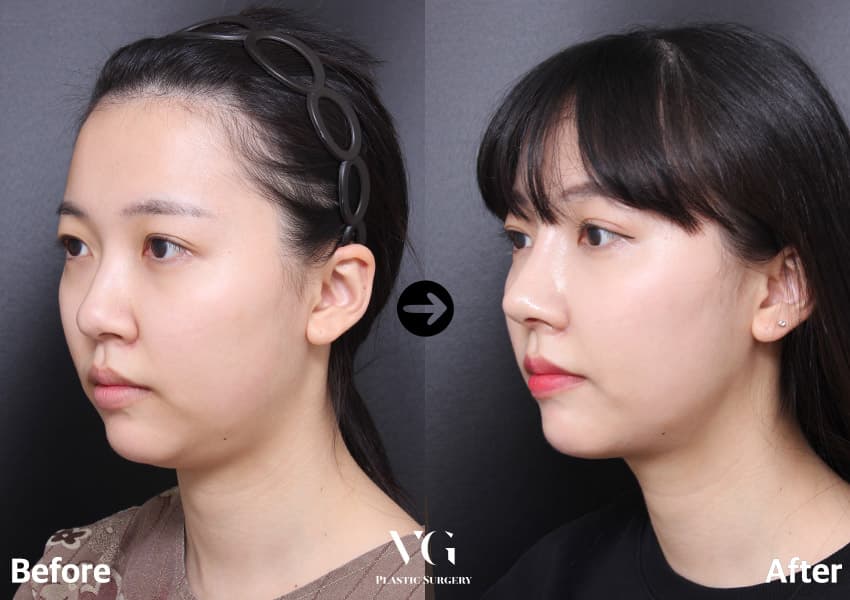
Alar Base Reduction3 months after surgery
FAQ
Questions patients ask
Is alarplasty done on its own in Korea?
It can be, but in our archive every nostril reduction case was combined with other nose work, most often the tip or the bridge. I usually judge the nostrils once the tip and bridge are decided, because they read differently against a new line.
How long do I need to stay for alarplasty Korea surgery?
At least 7 days, or 14 days when osteotomy is part of the plan or it is a revision. Stitches come out 5–7 days after surgery, and a final check confirms you are fit to fly before you leave.
Will there be a scar after alarplasty Korea surgery?
Yes, there is an incision line, planned to sit in the nostril or along the crease where it meets the cheek. It looks pink at first and settles over the following months. How it settles differs from person to person, and I check it during your follow-up.
My nose looks wide. Will narrowing the nostrils fix it?
Only if the width is in the nostrils. A round tip needs tip work, and a wide bony bridge needs osteotomy. In consultation I look at the bone, the tip, the wings and how they move when you smile before deciding.
When will I see the final result?
Swelling peaks around days 3–5 without bone work. Most people stop noticing it at 1–2 months, and the final shape is assessed at around 6 months, or longer with osteotomy or a revision.
How much does nostril reduction cost in Korea?
We do not publish a price list, because the fee depends on what it is combined with and whether bone is cut or it is a revision. International patients pay the same surgical fee as Korean patients, in a written, itemised quote after consultation.
Sources
This article explains general medical information. Whether surgery suits you, and which method, is decided only after a consultation with the surgeon.
Written by
Yang Jong Phil
Director · Plastic Surgery
- Board-certified plastic surgeon, Korea University Hospital
- Korea University College of Medicine
- Plastic surgery fellowship, University of Chicago Medical Center
- International Confederation for Plastic, Reconstructive and Aesthetic Surgery (IPRAS)
- American Society of Plastic and Reconstructive Surgeons (ASPRS)
Next step
Send two photos. Get a surgeon’s answer.
Front and side, natural light, no filter. Dr. Yang Jong Phil reviews them and tells you which method fits and how many days to stay in Seoul.
International patients pay the same surgical fee as Korean patients. Pricing policy
Keep reading
Nose
Rhinoplasty Cost in South Korea in Rupees: What Changes It for a Flat Nose or Crooked Septum? Reviews, Methods and Recovery
There's no honest rupee figure for a nose nobody has examined. The cost follows the method, septum work, revision, anesthesia time and days in Seoul; send photos on WhatsApp to ask about yours.
Im Young Min ·
Nose
What Decides the Cost of Rhinoplasty in South Korea? Reviews, Methods and Recovery
There is no single price for a nose job in Korea: the method, the cartilage source, septum work, revision status and anesthesia set the figure for your nose.
Im Young Min ·
Nose
How Much Does a Nose Job Cost in Korea? Four Cost Drivers, Reviews, Methods and Recovery
A nose job in Korea is priced from four parts: the scope of the change, the building material, any breathing work and the anesthesia. Foreigners pay the same surgical fee as Korean patients, with a written estimate.
Im Young Min ·