Nose
Asian Male Rhinoplasty: Height Without a Feminine Tip
Asian male rhinoplasty usually raises a low bridge and firms the tip while keeping it from turning up. Whether it suits you comes down to skin thickness, cartilage and breathing.
Send your concern and a front and side photo. Replies in English, no obligation.
In this article
- 01What makes a reshaped nose read as male?
- 02How does the surgery work on a man's nose?
- 03Who suits it, and who should wait?
- 04How long is recovery, and how many days should the trip be?
- 05Breathing, implant shift, infection: what can go wrong
- 06What to check wherever you go
- 07Where I stand on a man's nose
The short answer
Worried that a clinic in Seoul will give you a narrow, turned-up nose that looks borrowed from someone else's face? Asian male rhinoplasty usually aims the other way: a straighter bridge that starts a little higher between the eyes, a firmer tip that points forward instead of up, and nostrils kept in proportion to a broader face. Whether it suits you comes down to your skin thickness, your cartilage and how well you breathe, and those three matter more than the long flight home.
- For men, the usual aim is a straight bridge and a firm tip that points forward instead of up.
- Skin thickness, septal cartilage and breathing decide the plan more than the destination does.
- A bent septum is both a breathing problem and the usual source of tip cartilage, so it can change what goes into the bridge.
- Treat about a week around splint removal as the minimum stay, with extra margin if rib cartilage is used.
- Men who wear glasses should plan on contact lenses for several weeks after the bridge is raised.
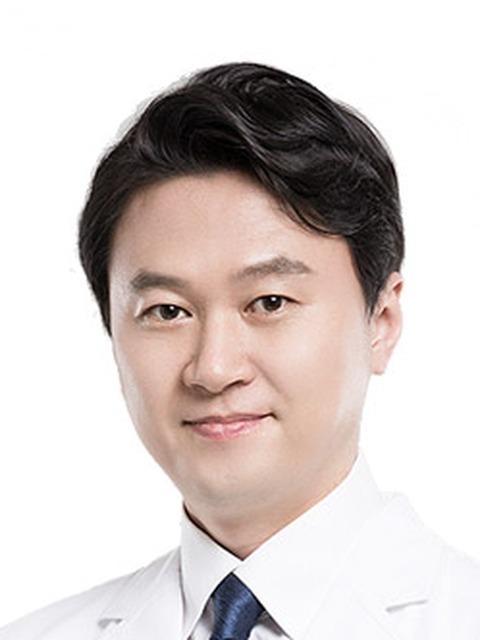
Hello, I'm Dr. Im Young Min, Chief Director at VERYGOOD Plastic Surgery in Gangnam, Seoul. I'm a board-certified plastic surgeon, and I did my internship and residency at Seoul St. Mary's Hospital.
Profile
Im Young Min
Chief Director · Board-certified in Plastic Surgery
Three facts about this clinic bear directly on a man's nose. An ENT specialist practices here alongside the plastic surgeons, so a bent septum or a narrow airway is assessed in the same plan as the shape. Three board-certified anesthesiologists work here full time and don't operate; one of them watches your breathing, pulse and blood pressure from the first injection until you wake up. And a medical interpreter for your language is provided at no extra charge if English isn't the language you think in.
If you'd like to know which of these changes your own nose calls for, send two daylight photos on WhatsApp, one from the front and one from the side, and mention whether one side of your nose blocks up more than the other. Then ask the question you care about most: how high can my bridge go before it stops looking like me?
Send a front and side photo on WhatsApp
What makes a reshaped nose read as male?
A lot of men assume a Korean clinic has one house nose, the slim, sharply lifted one from idol posters. That shape is drawn for a narrower face and a softer brow. On a man with a wide jaw and a heavy brow it tends to look small and pinched, which is usually the last thing he came for.
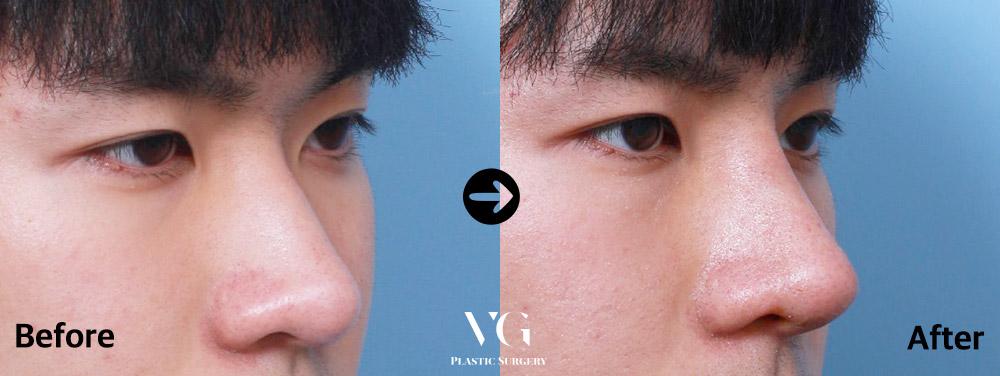
The differences can be measured. Surgeons describe them with a few landmarks, and the ranges below are the ones textbooks commonly cite. Take them as reference points your own face gets measured against.
| Feature | Often chosen by women | Usually kept for men |
|---|---|---|
| Where the bridge starts | Can sit a little lower | A little higher, so brow and nose read as one line |
| Bridge profile | A gentle dip just above the tip | Straight, or a faint hump left in place |
| Nose-to-lip angle | Roughly 95 to 110 degrees | Roughly 90 to 95 degrees |
| Tip | Narrow, with defined points | Firm, slightly broader, never pinched |
| Nostril base | Narrowed more readily | Kept in proportion to the cheeks and mouth |
Think of a tailored jacket. Shoulder padding changes the silhouette, but the cloth decides how crisp the edge looks. Raising the bridge is the padding; your skin is the cloth. Many East Asian noses have thicker skin over the tip, softer tip cartilage and a short septum, so a crisp, forward-pointing tip usually needs support built underneath it. I go through that trade-off in detail in why thick skin limits the tip more than the implant.
How does the surgery work on a man's nose?
The operation combines up to three parts: raising the bridge, supporting and reshaping the tip, and narrowing the nostril base if the tip work makes it flare. Many men need the first two. Fewer need the third.
The bridge can be raised with a shaped implant or with your own tissue: cartilage from the septum, the ear or a rib, sometimes wrapped in a thin layer of fascia. An implant means no second wound, but under thin skin its edge can show, and it can shift or become infected years later.
Your own cartilage leaves nothing foreign behind, at the cost of a donor site, and rib cartilage can warp slightly as it heals. For a man who wants a straight, strong line, the choice often turns on how much height is needed and how thick the skin is over the bridge.
The tip is where Asian male rhinoplasty differs most from the female version. A common technique is the septal extension graft: a strip of cartilage fixed to the end of the septum so it pushes the tip forward and holds it there. What keeps the result masculine is how far the tip is rotated upward. A few degrees too many and the nostrils start to show from the front, which reads as feminine on most men.
Breathing is handled in the same operation. Here, raising the bridge and breathing freely are treated as one surgical plan, and rhinoplasty is reviewed with an ENT specialist so the septum and airway are assessed alongside the shape. A septum bent by an old knock can be straightened during surgery, and the straightened piece is often the cartilage used for the tip.
For a first operation that works on both bridge and tip, plan on a couple of hours in the operating room under general anesthesia. Rib cartilage or septum straightening adds time.
Who suits it, and who should wait?
In short, it tends to suit men whose main complaint is a low, flat bridge between the eyes, a broad tip that looks soft in photos, a nose bent by an old injury, or one side that has been blocked for years. Those are structural problems, and structure is what surgery changes.
Risks and side effects to know
Waiting makes more sense if you're still in your late teens and your face is still changing, if you've had a sinus infection or a nasal injury in the last few months, or if you smoke and can't stop for the weeks around surgery, since smoking slows healing of the skin over the tip. It's also worth pausing if what really bothers you is the jaw or chin; a nose made larger to balance a receding chin often ends up looking heavy. The limits a man's skin and cartilage set are covered in why a man's nose sets tighter limits.
Say you're 26, working in Singapore, with ten days over the year-end break. Your bridge is flat between the eyes, the tip looks wide in photos, and your left side has felt blocked since a football collision at school. On paper that's a bridge-and-tip case. The blocked side changes it.
A bent septum is both a breathing problem and the usual source of tip cartilage, so I'd want it examined with the ENT specialist before deciding what goes into your bridge. If the septum is badly bent, there may be too little straight cartilage to borrow, which can shift the plan toward ear or rib cartilage and make the days after surgery feel different.
How long is recovery, and how many days should the trip be?
An external splint usually stays on for about a week. Bruising around the eyes mostly fades over the following week or two, and the bulk of the swelling settles over several weeks. The tip takes longest: the American Society of Plastic Surgeons notes it can take up to a year for the nose to fully refine, and thick skin sits at the slow end of that.
For the trip, the useful date is the day the splint comes off and the nose has been checked. Most surgeons want that visit before you fly, so treat about a week as the minimum stay, add margin if rib cartilage is used, and book a flight you can move by a day or two. The number of nights for your own plan is something to settle with your surgeon once the method is known.
One thing men with glasses rarely hear in advance: heavy frames resting on a newly raised bridge can press a dent into it while it's still soft. Many surgeons ask you to switch to contact lenses or tape the frames up off the nose for several weeks, so pack contacts if you can wear them. Lifting, running and anything that pushes up your blood pressure usually wait a few weeks; contact sports wait longer.
Breathing, implant shift, infection: what can go wrong
Almost everyone has swelling, bruising and a stuffy nose for the first couple of weeks, and the tip often feels numb or stiff for a few months. A tight feeling in the upper lip when you smile is also common early on and fades.
Swelling and scar: what to watch for
Less often, problems last: the two sides heal unevenly, the bridge looks too high once the swelling drops, an implant edge becomes visible or the implant shifts, a scar under the tip stays noticeable, or breathing ends up worse instead of better. Infection is uncommon, but with an implant it can mean the implant has to come out. How much swelling you get and how long the tip takes to settle differ from nose to nose, with thick skin taking longest.
Before you fly, ask for a written record of what was done and what was placed, including the implant type or the cartilage source, so any doctor at home can read it. Photograph your nose in the same light once a week. If you get a fever, redness spreading over the bridge, warmth or a lump that grows, or bleeding that won't stop, see a local doctor the same day and send photos on WhatsApp too.
If a later correction is ever needed, revision rhinoplasty starts from what the first surgery left, and revising a tip is harder than the first time. That is the strongest reason to get the tip rotation right once.
If the flight home is what worries you most, send your planned arrival and departure dates on WhatsApp together with any past nasal injury or earlier nose surgery, and ask how those dates sit against the day a splint would come off.
Send a front and side photo on WhatsApp
What to check wherever you go
Whichever clinic you choose, these questions are worth answering before you book a flight:
- The name of the surgeon who will operate, and where you can read that surgeon's training and credentials.
- Whether breathing and the septum are examined by an ENT specialist, or only the shape.
- Who runs the anesthesia, and whether that doctor's only job in the room is your safety.
- Whether the plan says what goes into your bridge: an implant or your own cartilage, and from where.
- Whether foreign patients pay the same fee as local patients, with the estimate in writing.
- What happens if a revision is needed later.
It doesn't have to be us. Here, each surgeon's center and training are published under their own name on VERYGOOD Plastic Surgery's English site, and foreign patients pay the same surgery fee as Korean patients, with a written estimate.
Where I stand on a man's nose
For many men, surgery is one way of looking after themselves, and the nose should still look like part of your face once the swelling is gone. Being genuinely useful to one person matters more to me than seeing as many patients as possible, so there's no reason to rush a date. A plan that's right this winter will still be right in spring.
The clinic is at 635 Nonhyeon-ro, Gangnam-gu, Seoul, and what decides your plan is how thick the skin over your tip is and how straight your septum runs. To begin, one front photo and one side photo on WhatsApp are enough, and you can ask before booking anything. Add the dates you could travel, put any deposit or payment question in the same message since both are settled after the consultation, and ask whether your skin and septum leave room for the bridge height you have in mind.
— Dr. Im Young Min, Chief Director
Related pages:
Nose before & after — more cases
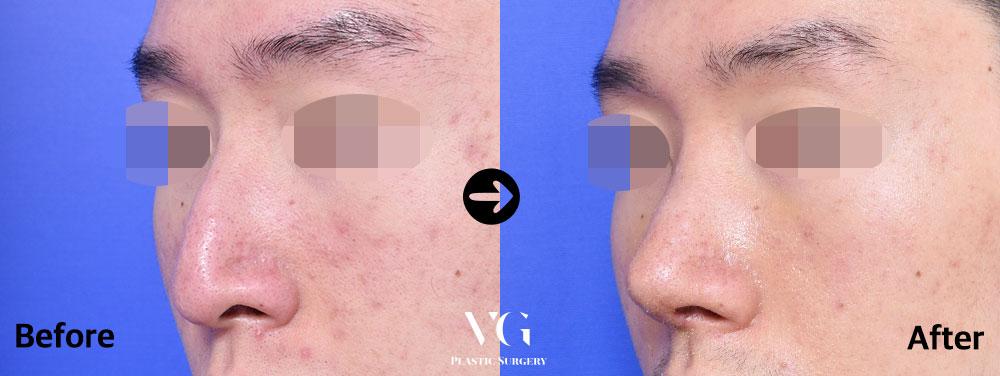
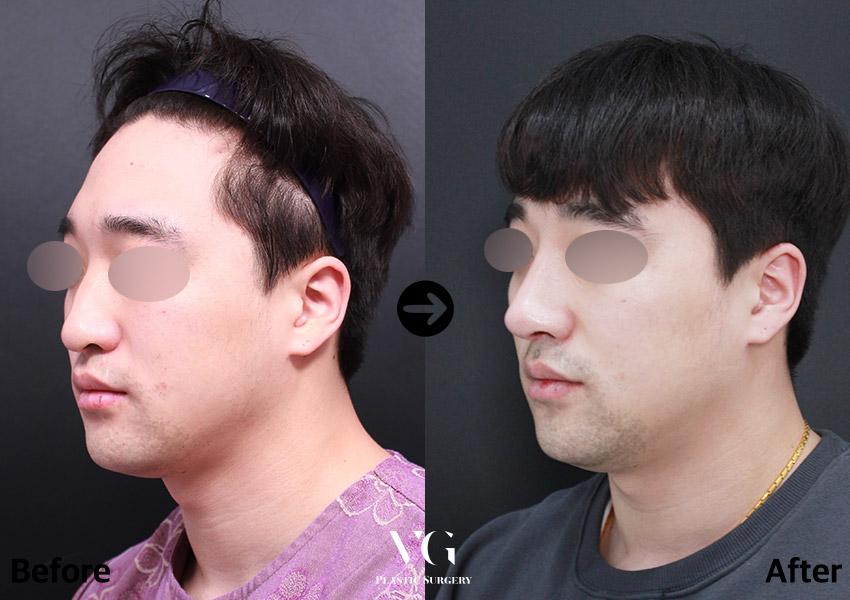
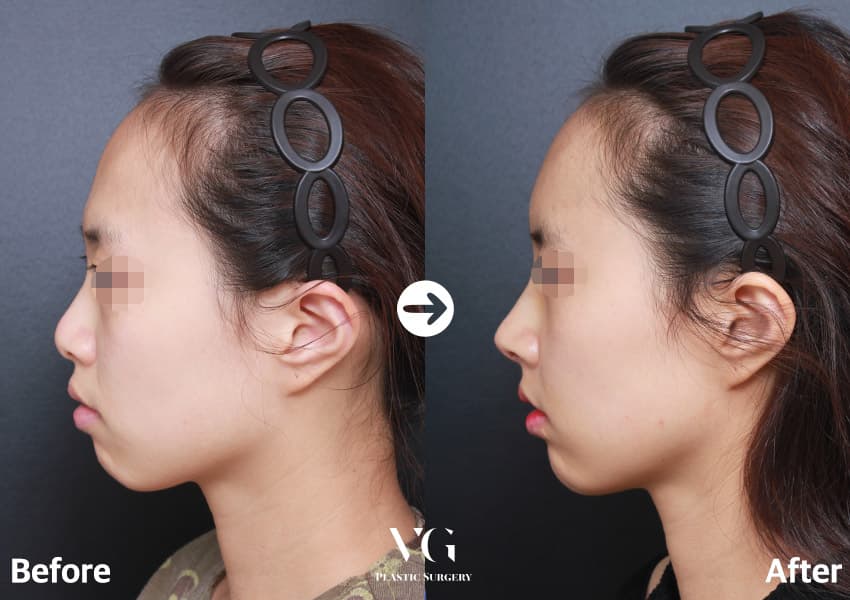
Real patients from our archive, all photographed 3 months after surgery. Tap a case to compare it full size.
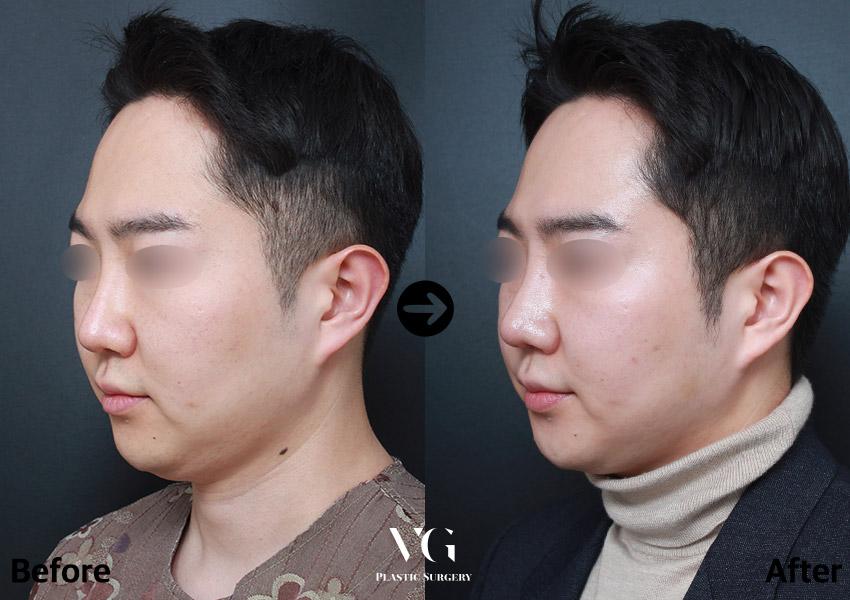
Male Rhinoplasty3 months after surgery
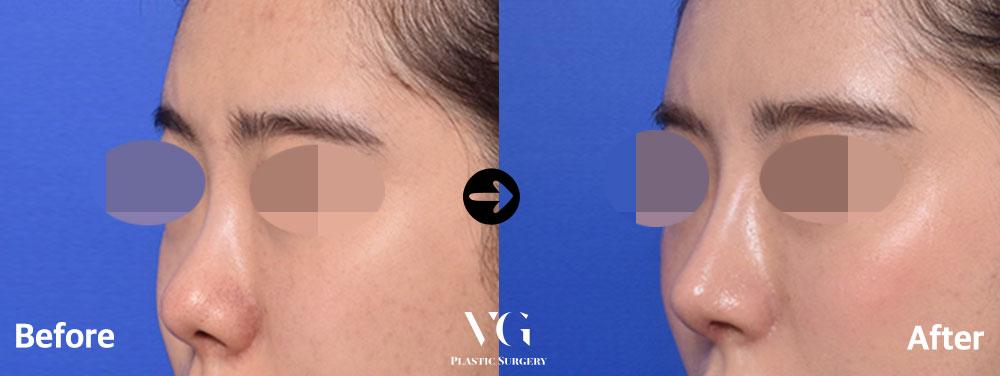
Rhinoplasty3 months after surgery
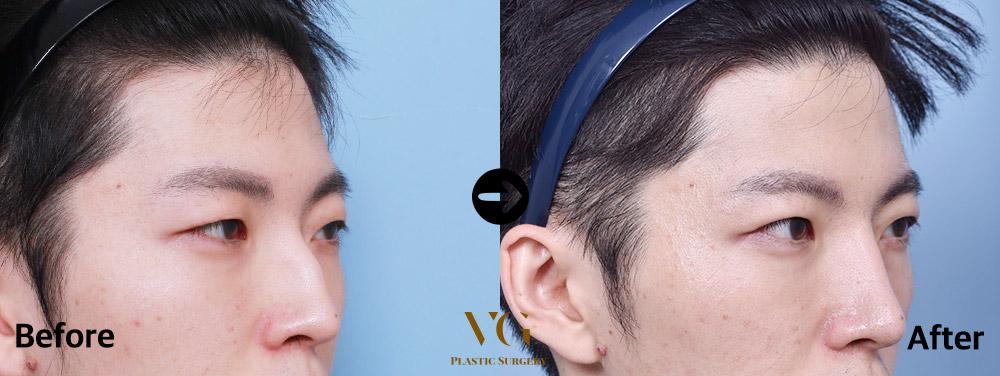
Male Rhinoplasty3 months after surgery
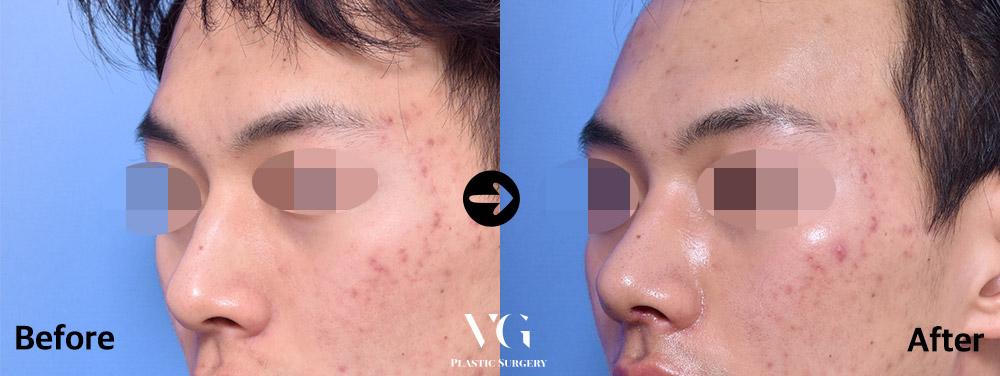
Male Rhinoplasty3 months after surgery
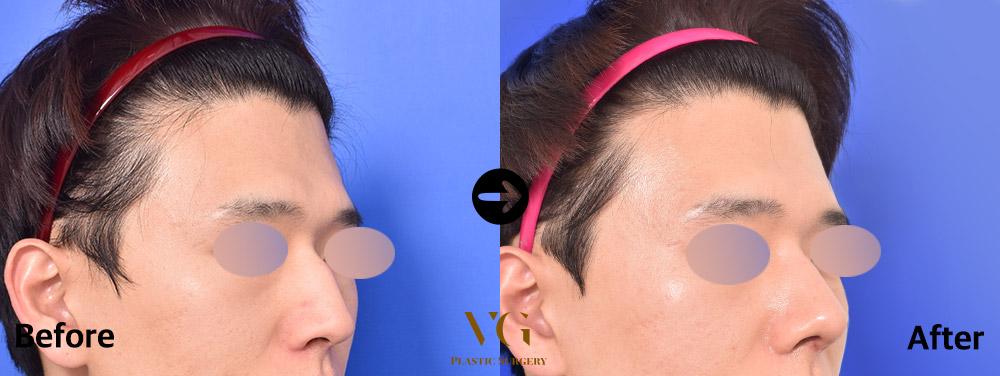
Male Rhinoplasty3 months after surgery
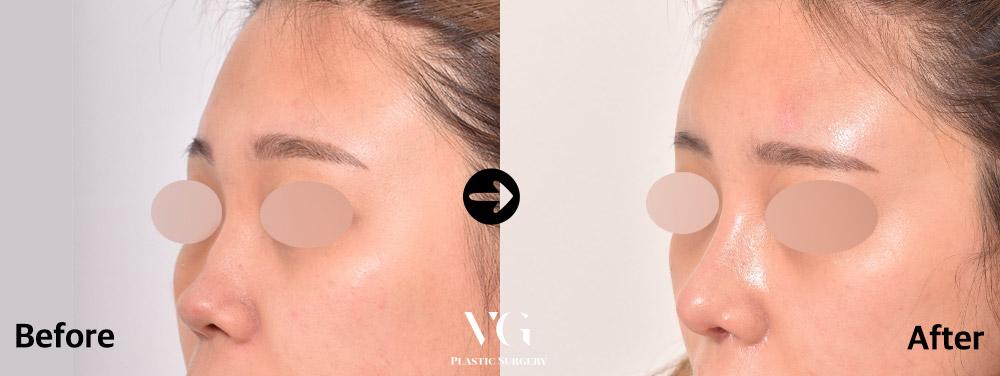
Rhinoplasty3 months after surgery
FAQ
Questions patients ask
Can I have double eyelid surgery on the same trip?
Combining eyelid and nose surgery in one operation is common, but it lengthens the anesthesia and adds eyelid swelling on top of the bruising a nose usually brings. If you're considering both, say so in your first WhatsApp message so your travel dates can allow for two areas healing at once.
Is an implant or my own cartilage the safer choice for a man's bridge?
There's no single answer. An implant avoids a second wound but carries a long-term risk of infection or shifting, which rises when the skin is thin or a lot of height is added. Your own cartilage avoids a foreign body but needs a donor site, and rib cartilage can warp slightly. The amount of height you want and the thickness of your bridge skin usually tip the decision.
Can I keep the small hump on my bridge?
Yes, and many men ask to. A faint convexity often reads as masculine. On a low bridge, shaving a hump down can leave the upper bridge even lower, so the line is often straightened by adding height above the hump instead. Say at the start that you want to keep it.
When will my nose stop looking swollen in photos?
From the front, most people look presentable once the bruising fades, usually within two to three weeks. In profile, and especially at the tip, the shape keeps changing for months, so judging the tip in the first three months tends to mislead.
When can I get back to the gym?
Walking is usually fine within days. Weight training and running generally wait a few weeks until your surgeon agrees, because raised blood pressure increases swelling. Contact sports and anything where a ball could hit your face usually wait at least six weeks, often longer after cartilage grafts.
Do I need a separate operation for a deviated septum?
Usually not. A deviated septum or a narrow nasal valve can be assessed alongside the shape and corrected during the same rhinoplasty. Here an ENT specialist works with the rhinoplasty team on exactly this.
Sources
This article explains general medical information. Whether surgery suits you, and which method, is decided only after a consultation with the surgeon.
Written by
Im Young Min
Chief Director · Plastic Surgery
- Ph.D. in Medicine
- Internship and residency, Seoul St. Mary's Hospital
- Board-certified plastic surgeon, Seoul St. Mary's Hospital
- Adjunct professor of plastic surgery, Seoul St. Mary's Hospital
- Former director, Topface Plastic Surgery
Next step
Send two photos. Get a surgeon’s answer.
Front and side, natural light, no filter. Dr. Im Young Min reviews them and tells you which method fits and how many days to stay in Seoul.
International patients pay the same surgical fee as Korean patients. Pricing policy
Keep reading
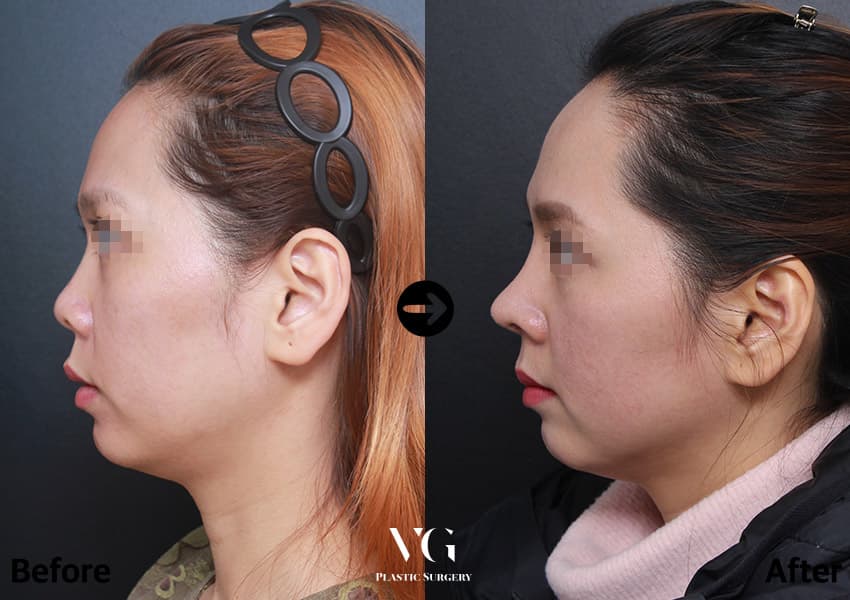
Nose
How Long After Rhinoplasty Can I Workout? Mostly Back Home
Gentle walking is fine within the first days after rhinoplasty, swimming usually waits about three weeks, and strenuous exercise and contact sports wait four to six weeks. Most of that wait happens after you fly home from Seoul.
Im Young Min ·
Nose
Rib Cartilage Rhinoplasty Side Effects: What Age Changes
Most side effects of a rib graft show up in the chest first: soreness and a short scar. Warping and stiffness in the nose come later, and age changes how rib cartilage behaves.
Im Young Min ·
Nose
Does Rhinoplasty Last Forever? The Bone Stays, the Skin Ages
Reshaped bone and cartilage don't grow back, so the core change of a rhinoplasty stays. Skin, tip support and any implant keep aging, and the material chosen decides most of what can shift years later.
Im Young Min ·