Nose
Tip Plasty Recovery: A Week in Seoul, a Year for the Tip
The splint and outside stitches usually come off around a week, which sets your stay in Seoul. Swelling in the nasal tip is the slowest to fade and can take many months, sometimes up to a year, to fully settle.
Send your concern and a front and side photo. Replies in English, no obligation.

· 8 min read · Last updated
Edited by Im Young Min
In this article
The short answer
Heard that tip plasty recovery takes a week, and now wondering why your tip might still look full on the flight home, or for months after it?
- The splint and any outside stitches usually come off around one week, and that week is what your stay in Seoul is planned around.
- Tip swelling is the slowest part of the nose to settle and can take up to a year, longer with thick skin or a revision.
- Tip-only surgery often bruises less than a full rhinoplasty because the nasal bones are left alone, but the tip does not settle faster.
- Take matching daylight photos every few weeks at home; morning swelling makes the mirror unreliable.
- Leave Korea with a written record of what was done and know how to reach the clinic before you need to.
Two things here bear directly on how a tip operation goes for someone flying in. An ENT specialist practices alongside the plastic surgeons in our rhinoplasty center, so if changing your tip also touches the septum or your airway, breathing is assessed in the same plan as shape. And three board-certified anesthesiologists work here full time and do not operate; one of them watches your blood pressure, pulse and breathing until you are awake again.
Profile
Im Young Min
Chief Director · Board-certified in Plastic Surgery
Hello, I'm Dr. Im Young Min, Chief Director and a board-certified plastic surgeon at VERYGOOD Plastic Surgery in Gangnam, Seoul.
You also get an interpreter for your language at no extra charge, which matters when the aftercare instructions are about your own nose.
If you are fitting this into a fixed block of leave, send a daylight photo of your nose from the front and one from the side on WhatsApp, along with the dates you can be in Seoul, and ask how many of those days the splint stage is likely to take for the change you want.
Send a front and side photo of your nose with your dates on WhatsApp
Why the tip is the last part of your nose to settle
Think of the skin of your nose as a fitted sheet over a mattress. On the bridge, the sheet lies on bone and firm cartilage, so once the fluid drains it pulls back down quickly. At the tip it lies over small, springy cartilages, the skin there tends to be thicker and oilier, and fluid has further to go. So the bridge can look finished within weeks while the tip still looks rounder and less defined than it will end up.
Tip plasty is the name for surgery on that lower third of the nose. It generally means one or more of three things: reshaping the tip cartilages with sutures, trimming them to reduce a bulbous tip, or adding cartilage grafts, taken from the septum, ear or rib, to lift or project a tip that has little support. The more structure that is added or moved, the more the tissue swells and the longer the tip takes to show its definition.
A suture-only change under thin skin and a graft-supported lift under thick skin share the same name, yet the second can need many more months before you see the shape.
Skin thickness matters as much as the method. Thick tip skin holds swelling longer and hides fine detail; thin skin shows definition early but also shows small irregularities. That is one reason a man's nose sets tighter limits on the tip, since male tip skin is often thicker. Before anyone talks to you about cartilage, the skin should come into the conversation.
How does tip plasty recovery go, day by day?
Most of what you can see changes in the first two weeks. Most of what you will judge the result by changes over the following months. The table shows the usual pattern after tip surgery; your own surgeon's written instructions come first.
| When | What you'll usually notice | What it means for your trip |
|---|---|---|
| Days 1–3 | Swelling peaks, the tip feels tight, mouth breathing if there is packing or an internal splint | Stay close to your hotel, sleep with your head raised, no bending or lifting |
| Days 4–6 | Any bruising turns yellow and fades; the nose stays stuffy | Short walks are fine for most people; no nose blowing |
| Weeks 2–3 | Most bruising gone; the tip looks full and feels firm or numb | You are home; many people are back at desk work |
| Months 1–3 | The bridge looks settled; the tip is puffier in the mornings | Avoid knocks to the nose and contact sports until cleared |
| Months 3–12 | Tip definition appears gradually, slower with thick skin or a revision | Judge the shape near the end of this window, not at week three |
One thing that surprises people: if only the tip is operated on and the nasal bones are left alone, bruising around the eyes is often mild or absent. Much of the dark bruising after a full rhinoplasty comes from narrowing the bones. That makes the first week of tip-only surgery look easier. It does not make the tip settle any faster.
The American Society of Plastic Surgeons notes that although the first swelling goes down within a few weeks, it can take up to a year for the new contour to fully refine. For a tip, assume the full year.
Say you are 36, live in Toronto, and had a tip operation at home five years ago that left one side pinched, and a surgeon there told you a second operation would be difficult. Revision tip work usually means scar tissue, often new cartilage grafts, and swelling that lingers longer than after a first operation.
I would plan the Seoul part of your trip around the splint stage exactly as for a first surgery, but I would tell you to expect a fuller tip at home for longer and not to judge it at month two. And if the examination shows there is not enough support or skin quality to improve on what you have, I would say so plainly.
Can you fly home before your tip settles?
Yes. Flying with a swollen tip is normal; the tip is meant to keep settling at home. How many nights that takes for your operation is set at the consultation, so leave a spare day before booking a return you cannot change.
Cabin air is dry, and the nose may feel more blocked as the pressure changes. Pack saline spray in your carry-on if your surgeon allows it, drink water, and sneeze with your mouth open rather than blowing. An aisle seat lets you walk during a long flight.
A small habit that helps more than people expect: before you fly, take three photos of your nose by a window in daylight, from the front, the side and from below. Repeat them in the same spot every two to four weeks at home. Morning swelling makes the mirror unreliable, and matching photos show the tip narrowing when the mirror does not.
If you are thinking of adding another operation to the same trip, check that procedure's own calendar first. Corner-of-the-eye surgery has a different stitch and flight schedule, and breast surgery brings lifting and sleeping limits of its own, covered in the posts on breast augmentation in Korea and breast reduction in Korea. The longest recovery of the set decides your nights in Seoul.
Swelling, numbness and bleeding: what's normal at home
Expect a few weeks of stuffiness, a tip that feels firm and numb, and more swelling in the morning or after a salty meal. Feeling in the tip usually returns gradually over months. A little blood-tinged discharge in the first days is common and settles on its own.
Nosebleeds, infection and tip skin problems: the risks to know
Less common problems include a nosebleed that keeps going, infection (rising pain, redness, warmth or fever), a graft that shifts or becomes visible under thin skin, and breathing that feels worse rather than better as weeks pass. Rarely, the blood supply to the tip skin is strained, which shows as skin turning dusky or dark; smoking makes this more likely. Over the months some tips settle slightly higher, lower or less even than they looked in week one, and a small number of people end up considering a second operation.
The usual advice is to wait about a year for swelling to finish before judging that. How your own tissue heals varies, which is why the dates in this post are patterns, not promises.
General medical caution says to wait, or talk it through first, if you:
- smoke or vape and cannot stop for several weeks around surgery
- take blood thinners or supplements such as fish oil (tell the surgeon; do not stop prescribed medicine on your own)
- have an active skin infection or acne flare on the nose
- had a nose injury or nasal surgery within the past year
- are pregnant or breastfeeding
- need the tip to look finished for an event a month away
Before you fly home, make sure you have a written record of what was done, which grafts were used and which medicines you were given, saved on your phone. Find a local ENT or plastic surgeon before you leave so you know where to go. Bleeding that does not stop after 10 to 15 minutes of steady pressure, fever, or tip skin changing color needs a same-day visit to local urgent care, with that record in hand.
And ask how contact with the clinic works once you are home before you book, so you know it before you need it.
If you already know the date you have to be back at work, send that date and a photo from below showing your nostrils on WhatsApp, and ask whether your tip is likely to need cartilage from elsewhere, since that changes how long it stays full.
Send a front and side photo of your nose with your dates on WhatsApp
Questions to put to any surgeon about tip work
Wherever you have this done, these questions sort out most of what matters for your recovery:
- Will the surgeon who examines my nose be the one who operates, under their own name?
- Is my breathing and septum checked alongside the shape, and by whom?
- Who runs the anesthesia, and do they stay with me until I wake?
- Where would any graft cartilage come from, and how does that change my recovery?
- Will I leave with a written record of what was done?
- How do I reach the clinic once I am home, and in which language?
Take the list to every clinic you are considering, including ours, and compare the answers. Our team, centers and how surgeons are named for each case are set out on VERYGOOD Plastic Surgery's English home page.
Where I stand on tip surgery for someone flying in
What I care about is that you leave Seoul knowing what was done, what the next months should look like, and which signs mean you should see someone. Being genuinely useful to one person matters more to me than seeing as many patients as possible, and with a tip that means being honest about how slow it is.
You can take your time deciding; a tip rewards patience more than speed. When it suits you, send one daylight photo from the side and one from the front on WhatsApp, with your leave dates and anything you know about an earlier nose operation. Ask whether your skin and tip support point toward a suture-only change or a graft, and how the deposit and payment would work for your dates, since that is settled after the consultation.
In person, what decides your recovery is how thick your tip skin is and how much support the tip cartilages already give.
— Dr. Im Young Min, Chief Director
Related pages:
Nose before & after — more cases
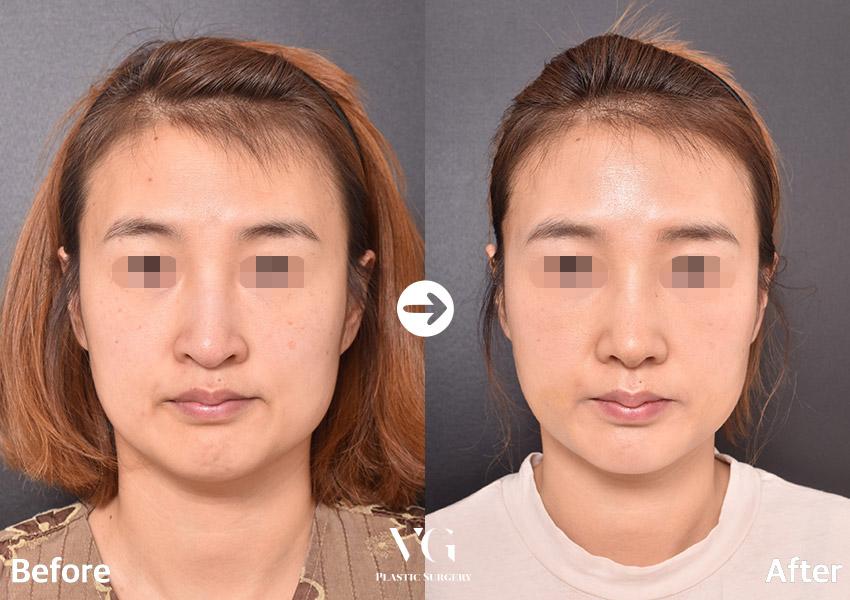
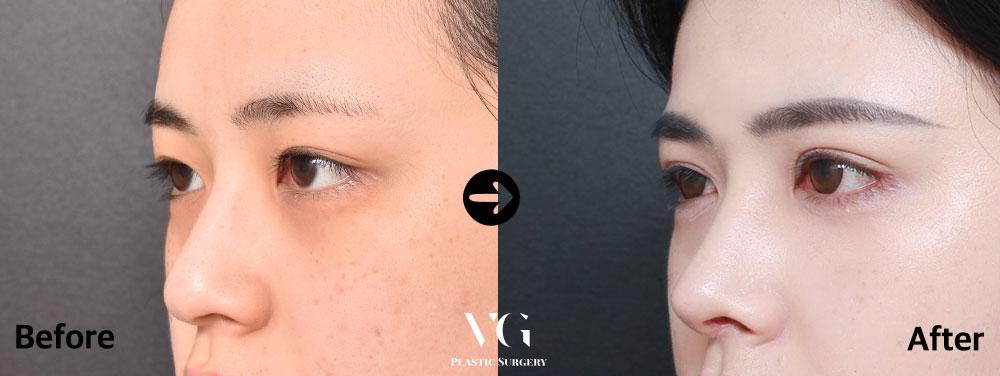
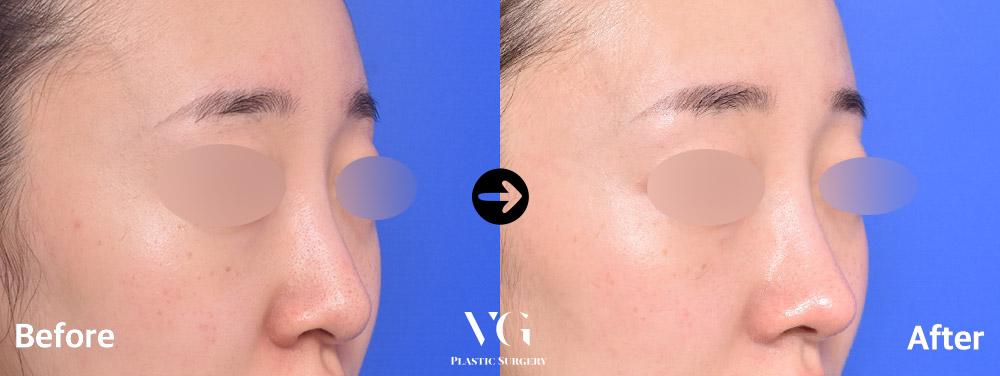
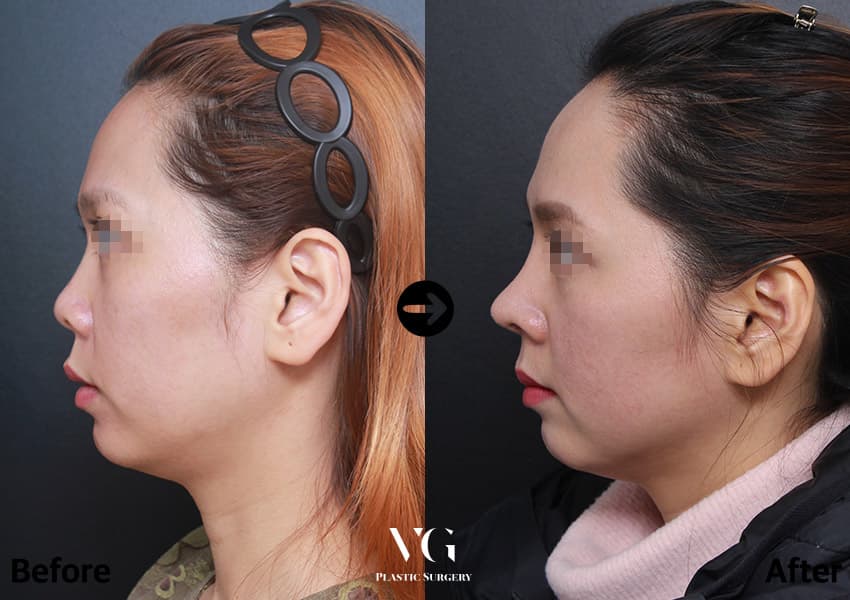
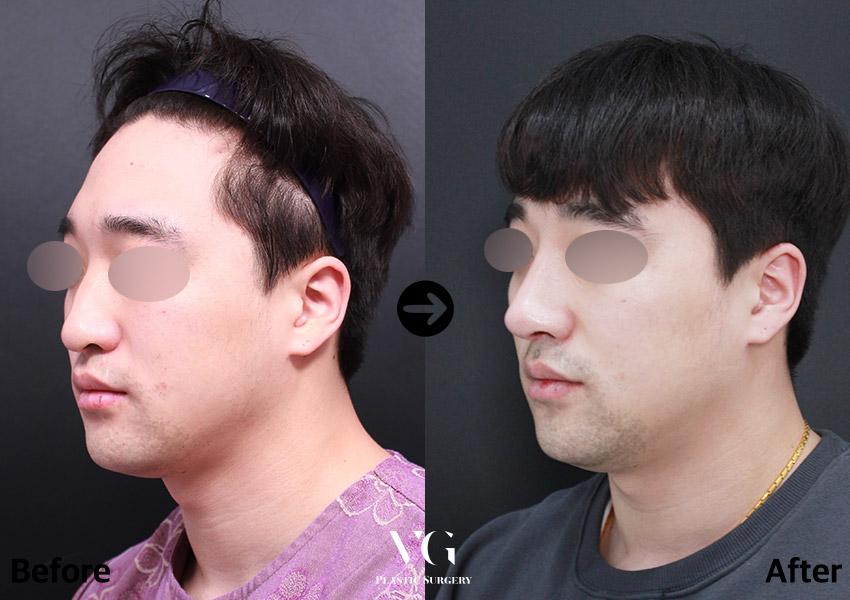
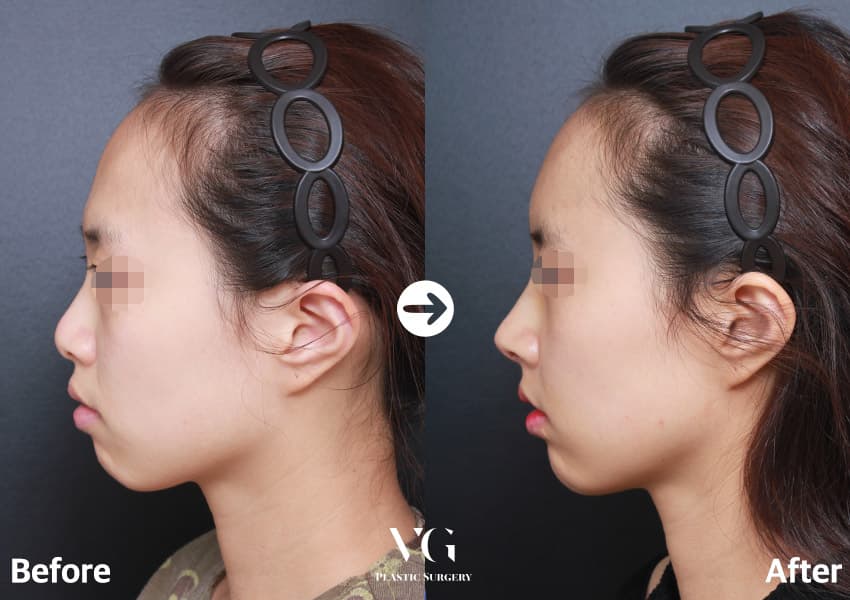
Real patients from our archive, all photographed 3 months after surgery. Tap a case to compare it full size.
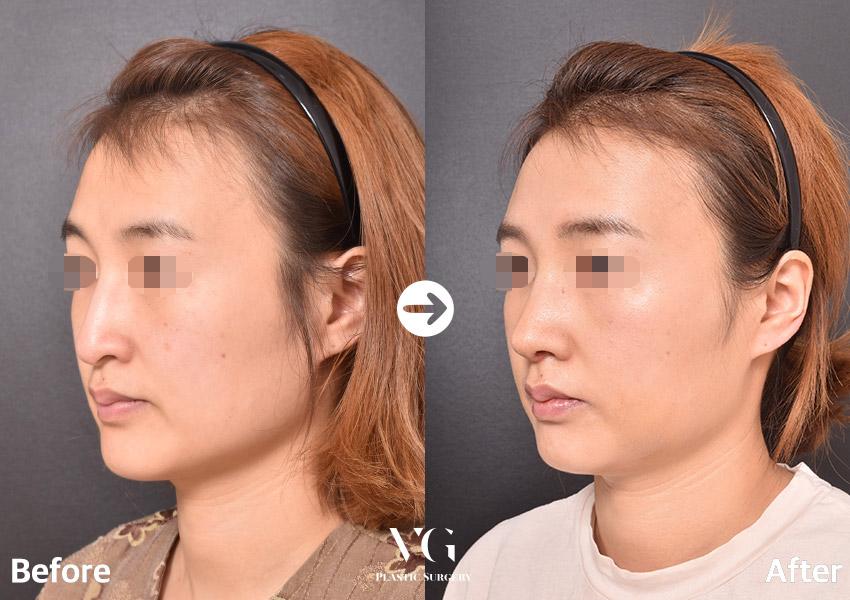
Tip Plasty3 months after surgery
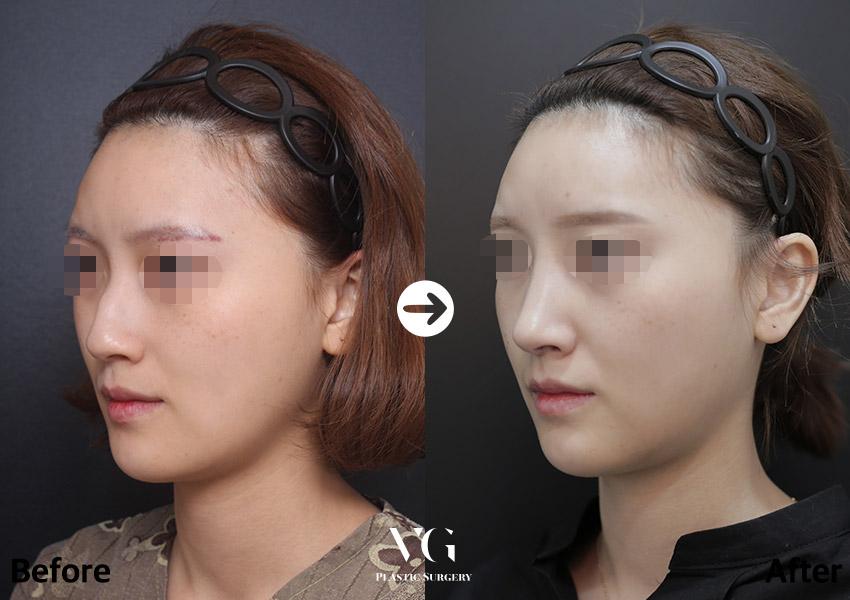
Tip Plasty3 months after surgery
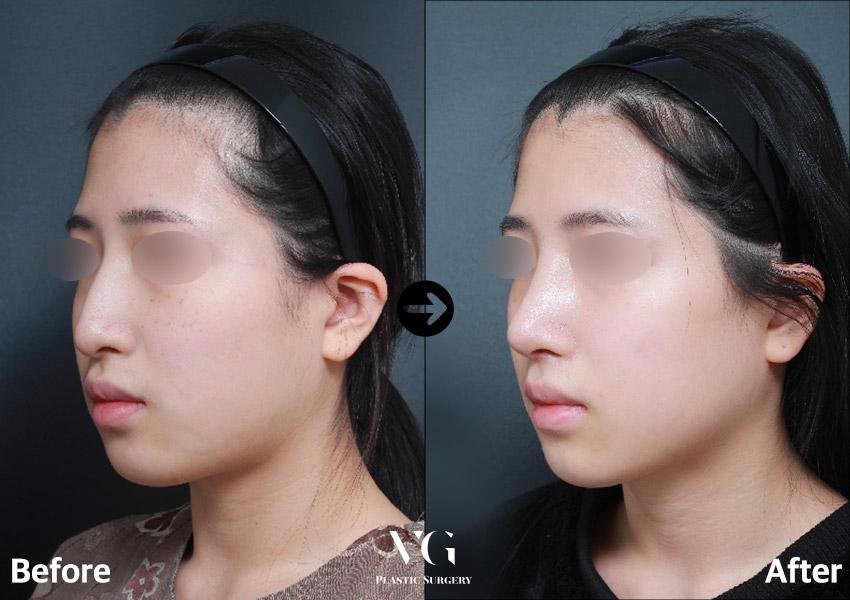
Tip Plasty3 months after surgery
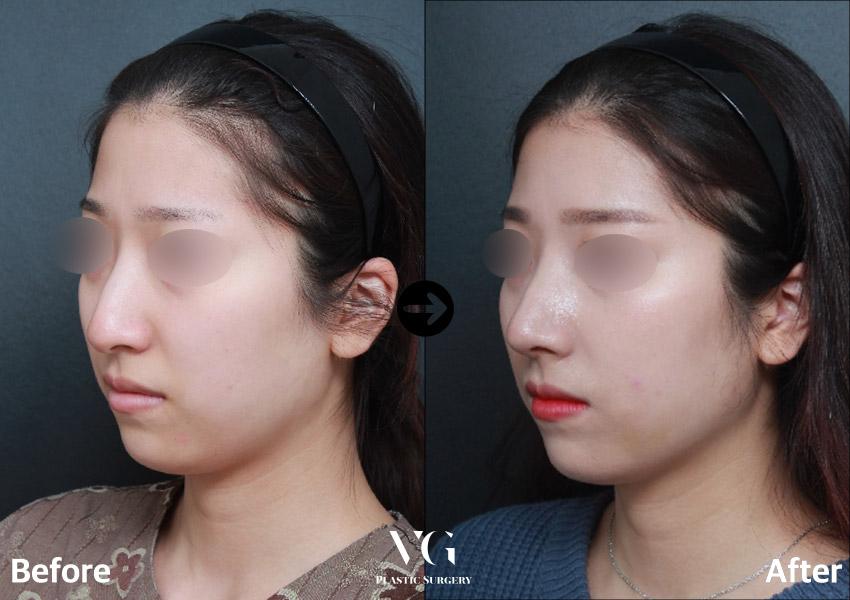
Tip Plasty3 months after surgery
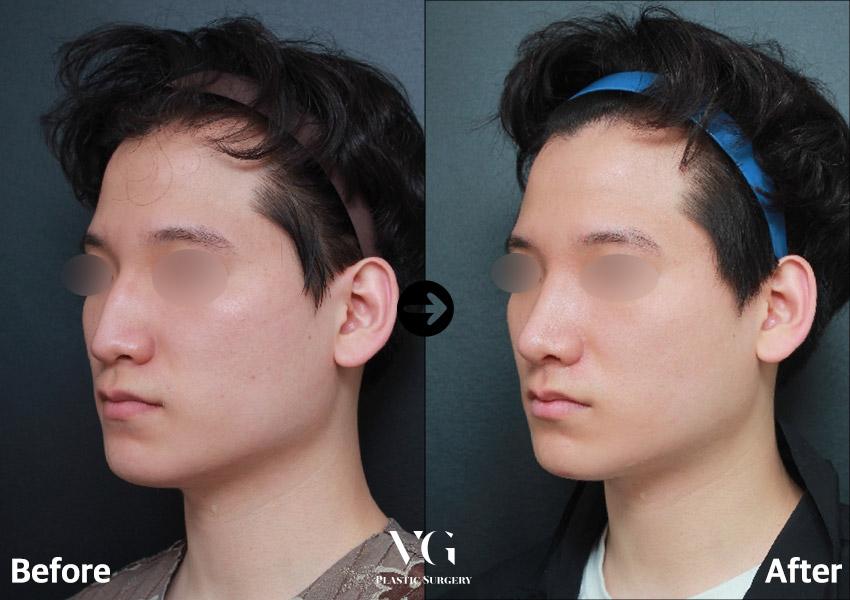
Tip Plasty3 months after surgery
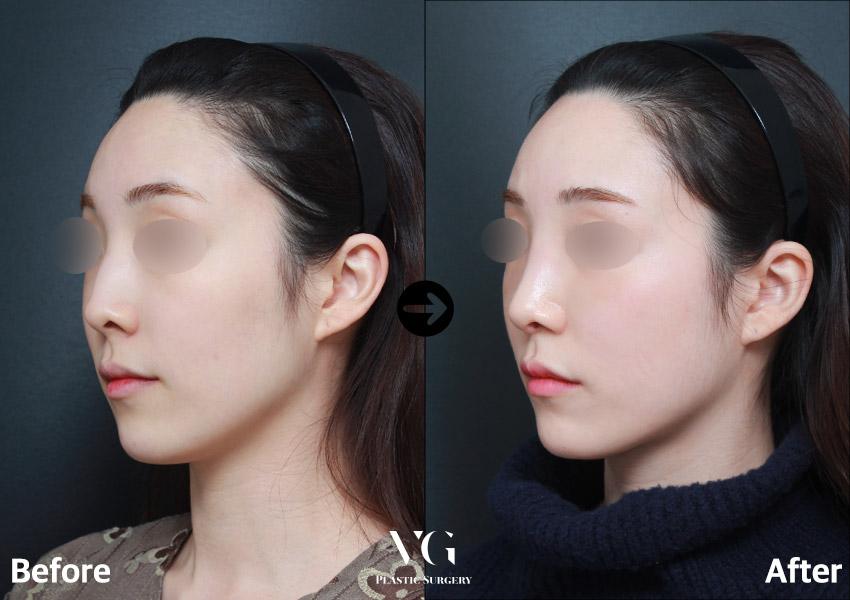
Tip Plasty3 months after surgery
FAQ
Questions patients ask
Can I wear glasses after tip plasty?
If only the tip was changed, glasses rest on the bridge and are usually fine once the splint is off. If the bridge or nasal bones were also worked on, many surgeons ask you to keep glasses off the nose for several weeks, using contacts or taping the frame to the forehead. Ask your surgeon for the exact date in your case.
When can I exercise after nose tip surgery?
Walking is encouraged from the first days. Running, gym work and anything that raises your blood pressure are commonly held off for about three weeks, and contact sports or anything that risks a knock to the nose for longer, often six weeks or more, until your surgeon clears you.
Does tip plasty leave a visible scar?
With a closed approach the incisions are inside the nostrils. With an open approach there is a small incision across the strip of skin between the nostrils, which usually fades to a fine line over several months. Keeping it out of strong sun while it is still pink helps it fade.
How should I sleep in the first week?
On your back, with your head raised on two pillows or a travel pillow, so fluid drains away from the tip. Avoid sleeping on your face or side in a way that presses the nose. Many people find a neck pillow useful on the flight home for the same reason.
Will my tip drop as the swelling goes down?
Some change in tip position over the months is expected, and a tip often looks slightly higher and fuller early on. How much it settles depends on how well the tip is supported, which is why grafts are used when the cartilages are weak. A change you notice after the first year is worth showing to a surgeon.
Sources
This article explains general medical information. Whether surgery suits you, and which method, is decided only after a consultation with the surgeon.
Written by
Im Young Min
Chief Director · Plastic Surgery
- Ph.D. in Medicine
- Internship and residency, Seoul St. Mary's Hospital
- Board-certified plastic surgeon, Seoul St. Mary's Hospital
- Adjunct professor of plastic surgery, Seoul St. Mary's Hospital
- Former director, Topface Plastic Surgery
Next step
Send two photos. Get a surgeon’s answer.
Front and side, natural light, no filter. Dr. Im Young Min reviews them and tells you which method fits and how many days to stay in Seoul.
International patients pay the same surgical fee as Korean patients. Pricing policy
Keep reading
Nose
How Long After Rhinoplasty Can I Workout? Mostly Back Home
Gentle walking is fine within the first days after rhinoplasty, swimming usually waits about three weeks, and strenuous exercise and contact sports wait four to six weeks. Most of that wait happens after you fly home from Seoul.
Im Young Min ·
Nose
Rib Cartilage Rhinoplasty Side Effects: What Age Changes
Most side effects of a rib graft show up in the chest first: soreness and a short scar. Warping and stiffness in the nose come later, and age changes how rib cartilage behaves.
Im Young Min ·
Nose
Does Rhinoplasty Last Forever? The Bone Stays, the Skin Ages
Reshaped bone and cartilage don't grow back, so the core change of a rhinoplasty stays. Skin, tip support and any implant keep aging, and the material chosen decides most of what can shift years later.
Im Young Min ·